






Tips for Planning an Eco-Friendly Destination Wedding in India in 2026
Introduction:
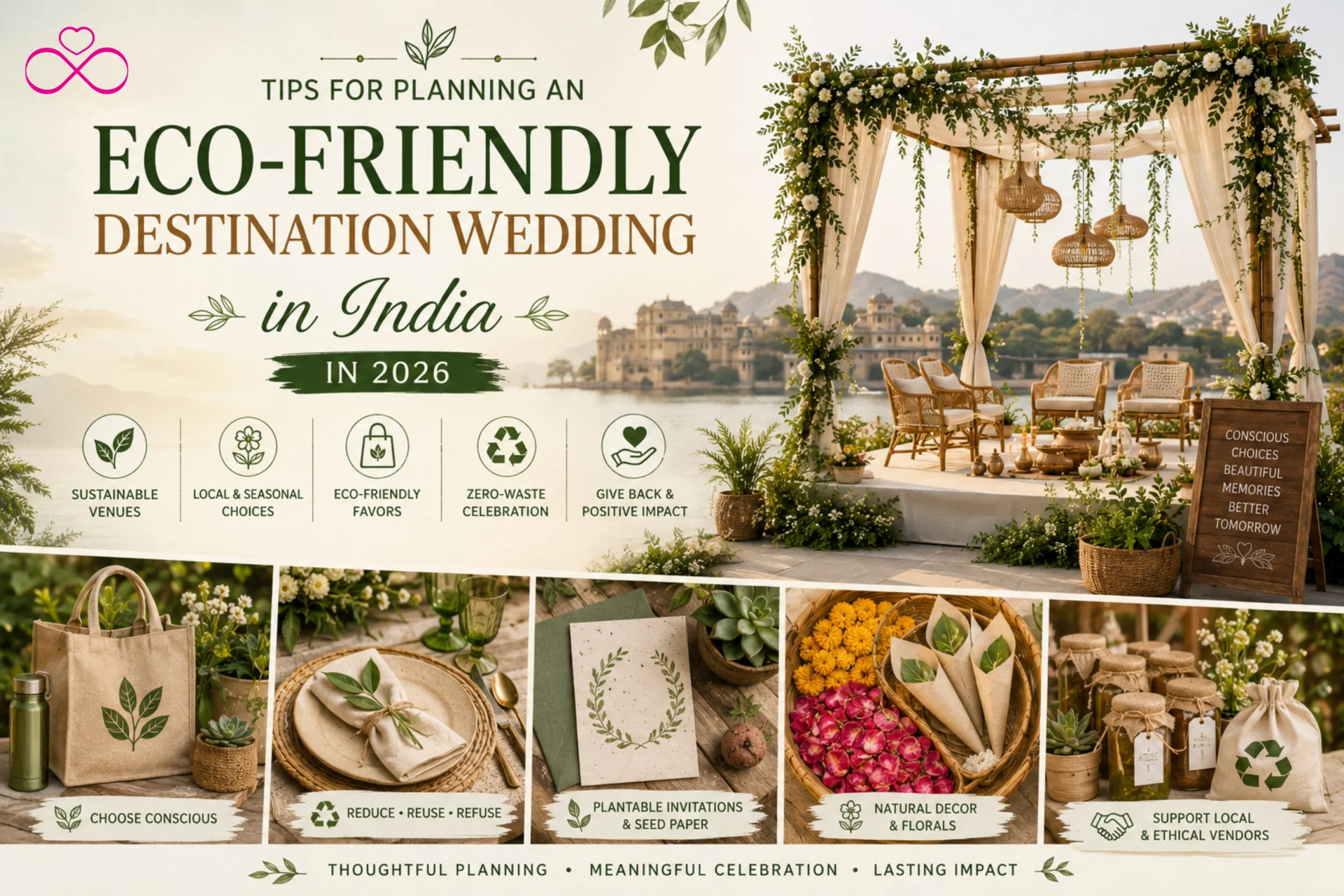
Planning a destination wedding in 2026 is not just about picking a pretty location and sending out invites. More and more couples across India are asking a harder question before they book anything - what does this wedding cost the planet? Sustainable destination wedding planning has moved from a niche idea to a real priority, and honestly, it is not as complicated as it sounds. Eternal Weddingz has worked with dozens of couples who wanted an eco-friendly wedding that still felt luxurious, personal, and full of joy - and the good news is, you can have all of it. The destination wedding industry in India is growing fast. Rajasthan palace weddings, Kerala backwater ceremonies, Goa beach weddings, Himachal forest retreats - couples are spoilt for choice. But here is the thing - many of these breathtaking locations are also ecologically fragile. A 300-guest wedding that leaves behind mountains of plastic, churns through diesel generators for three days, and flies in flowers from across the country does real damage. Eco-conscious couples are choosing differently now. They are opting for destination weddings that tread lightly - and finding that these weddings often feel more meaningful too.
Sustainable wedding planning in 2026 covers a wide range - from low-waste wedding decor and organic catering to carbon offset travel and locally sourced wedding flowers. It is not about stripping the joy out of your wedding. It is about making choices that you can feel genuinely good about, long after the celebrations end. This guide breaks it all down - practical, honest, and section by section - so you can plan your eco-friendly destination wedding without the overwhelm. Whether you are planning an intimate 50-person wedding in the hills or a 200-guest resort celebration in Goa, every choice adds up. Eco-friendly wedding planning does not demand perfection - it asks for intention. Read on for the most useful, real-world tips for planning a sustainable destination wedding in India in 2026.
Choose an Eco-Certified Venue for Your Destination Wedding:
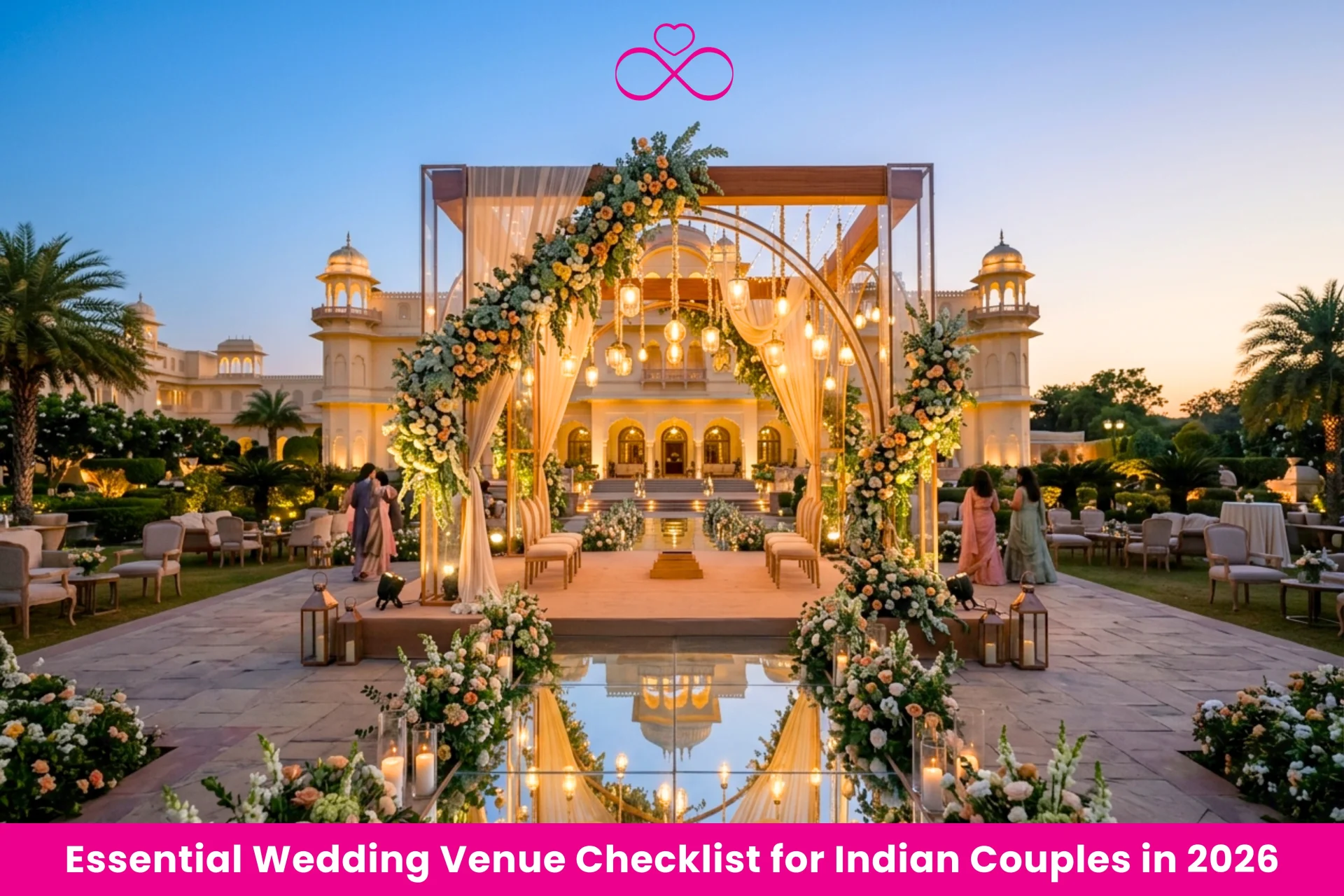
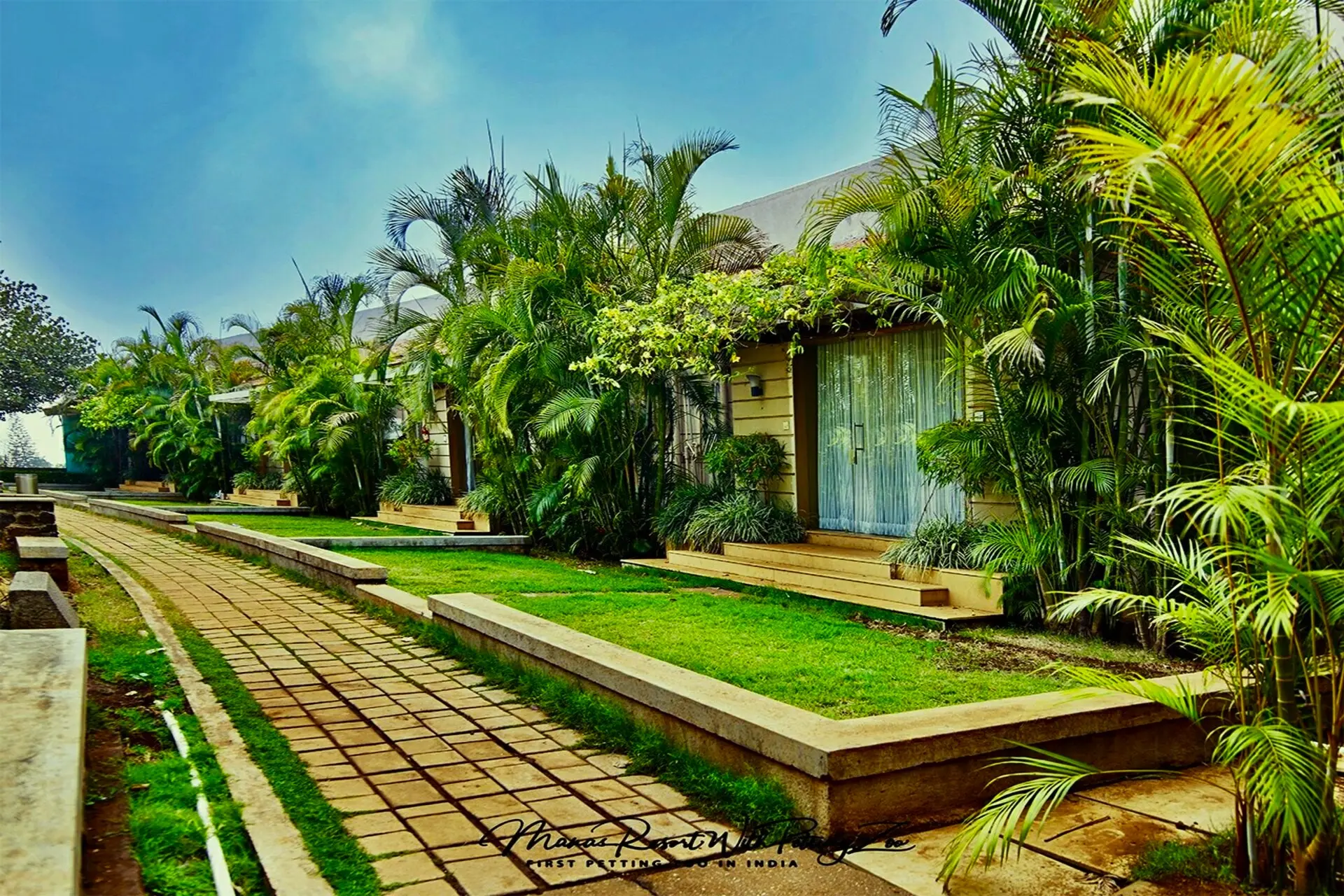
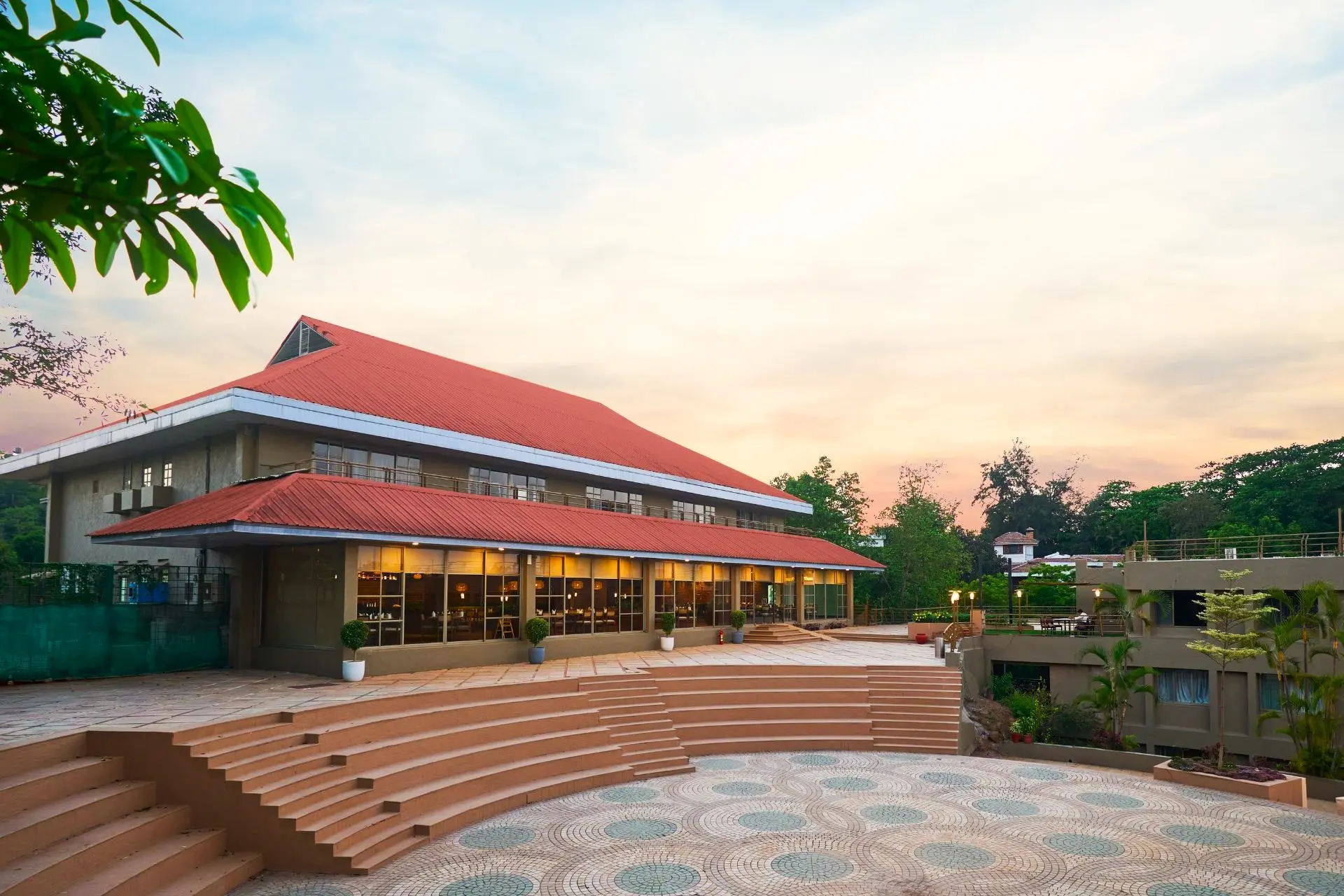
The single most eco-conscious decision you make is where you get married. Your venue determines how much energy gets used, how waste gets handled, what food sourcing looks like, and whether the local environment takes a hit from 200 guests over three days. Eco-certified wedding venues in India are more available now than they were even two years ago - and they range from solar-powered forest resorts in Coorg to heritage havelis in Rajasthan that run on renewable energy and compost all their kitchen waste. When you are scouting venues for a sustainable destination wedding, ask these specific questions upfront - do they use solar or wind energy? What is their water recycling policy? Do they have on-site composting? How do they handle single-use plastics? Do they source food locally? A venue that cannot answer these clearly is probably not serious about sustainability, whatever their website says.
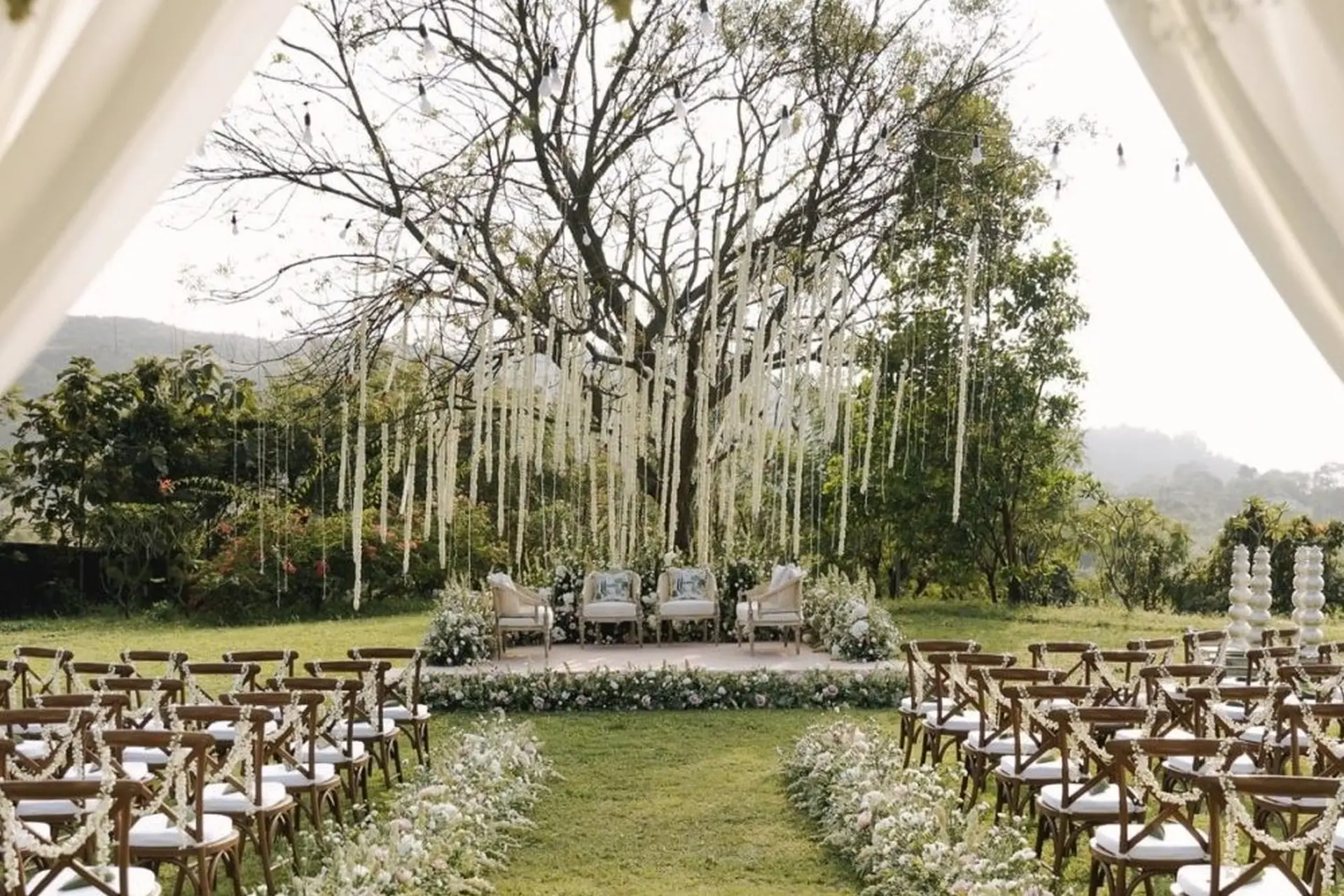
[Venue: Oleander Farms]
What to look for in an eco-friendly wedding venue:
- Forest Type Venue making most use of the outdoor lawns.
- Water recycling systems.
- A confirmed no single-use plastic policy across all events (no plastic cups, plastic bags, etc.)
- Proximity to an airport or train station can reduce guest travel distance.
- Green certification - look for LEED, Earth Check, or Eco-Friendly Key ratings.
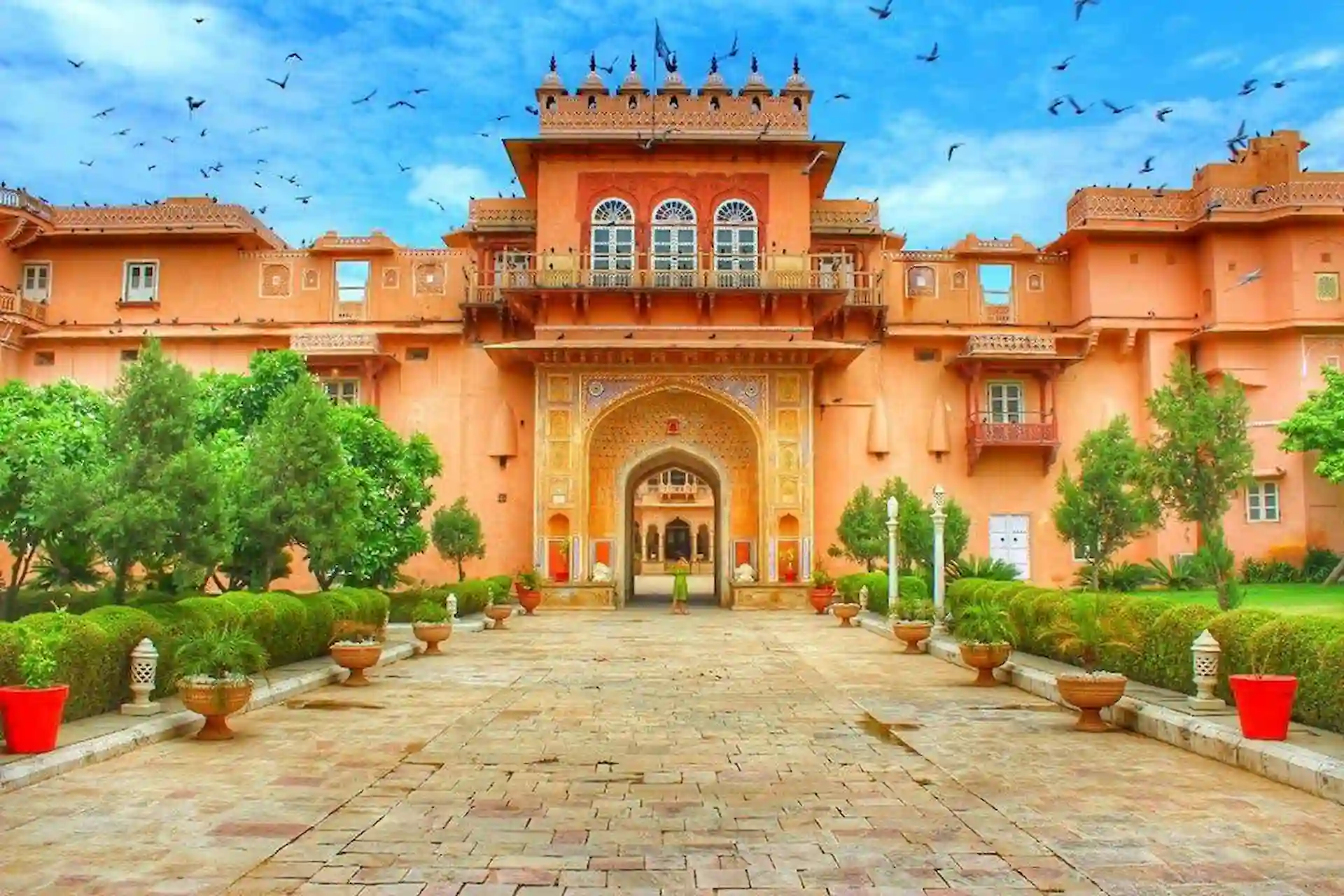
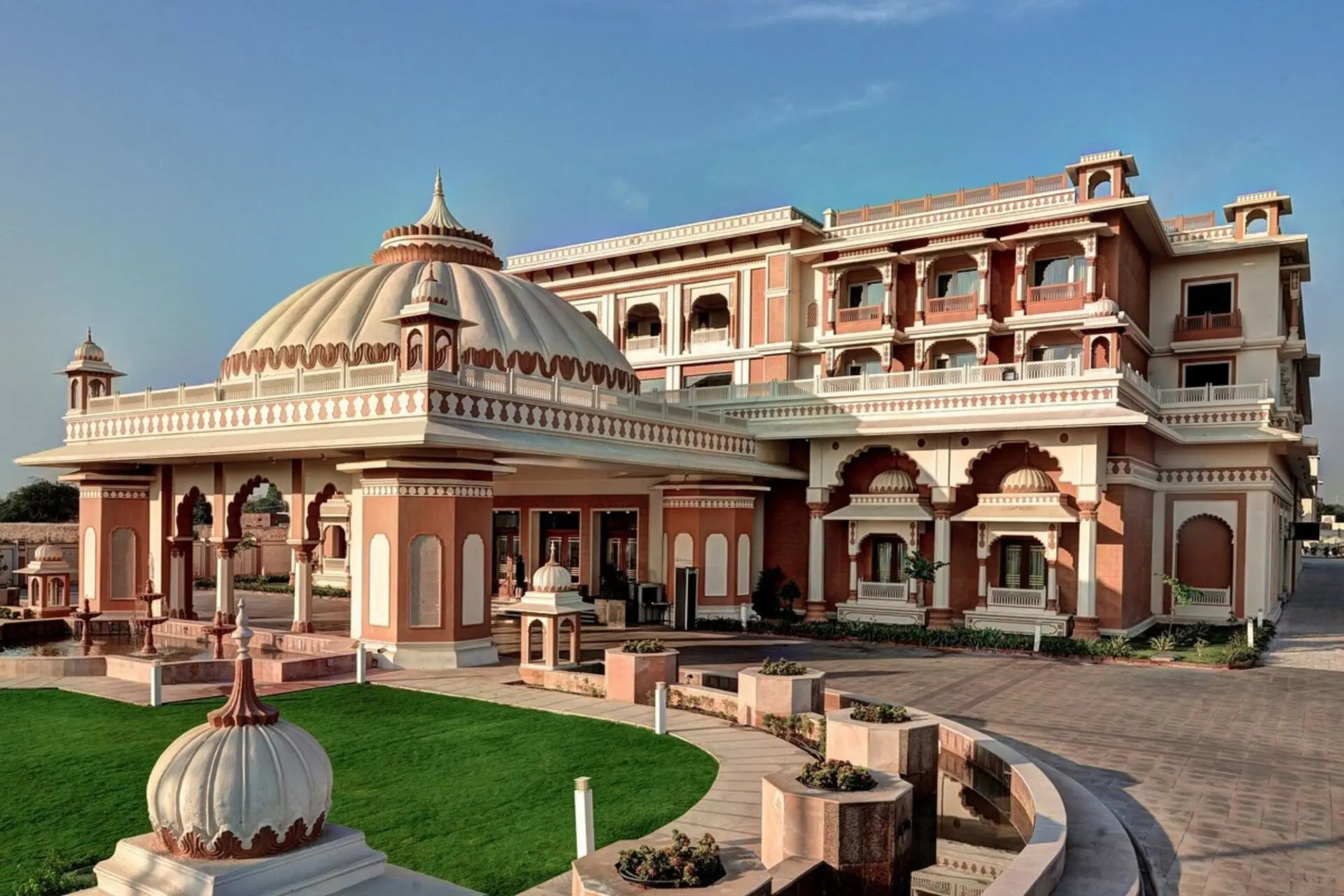
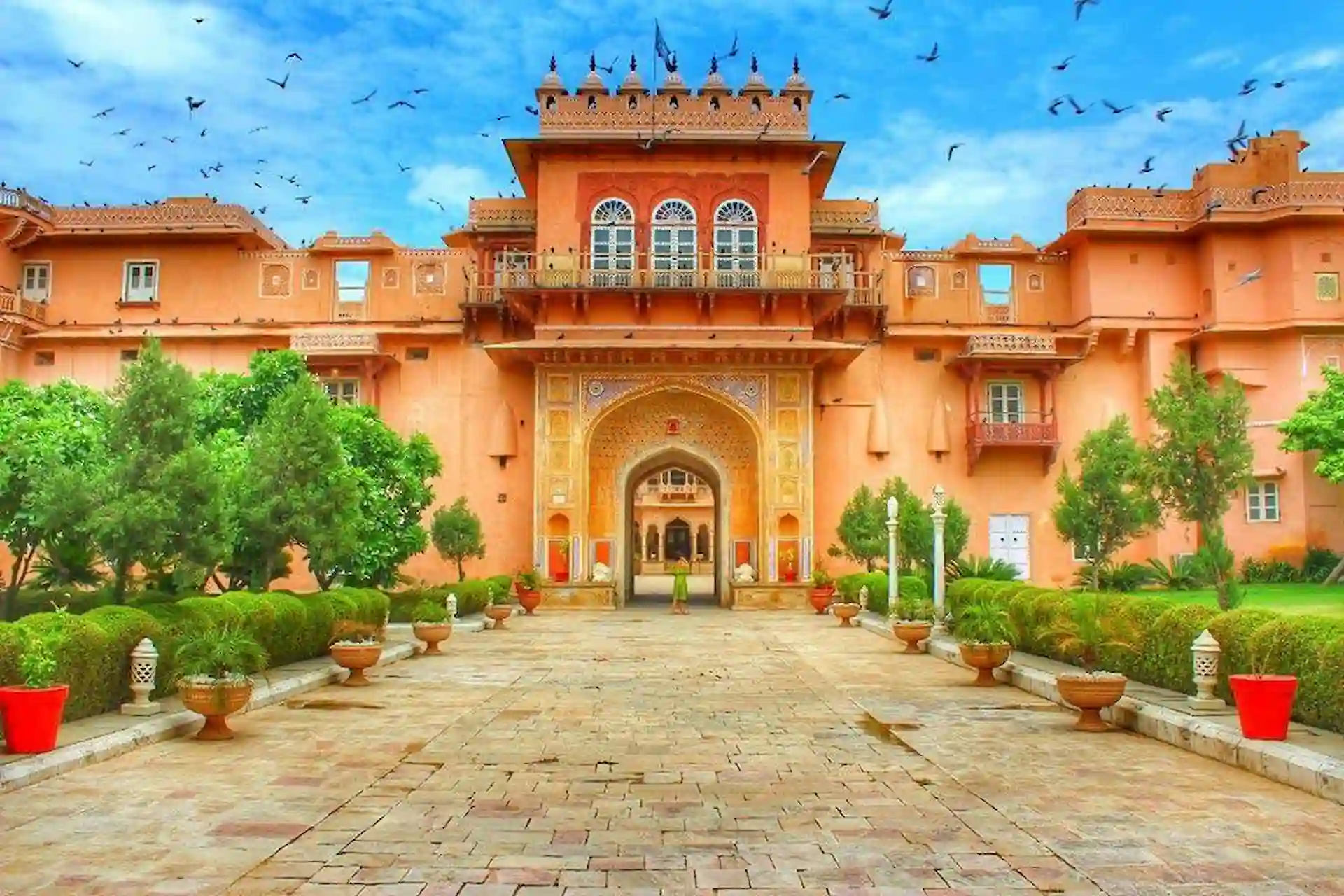
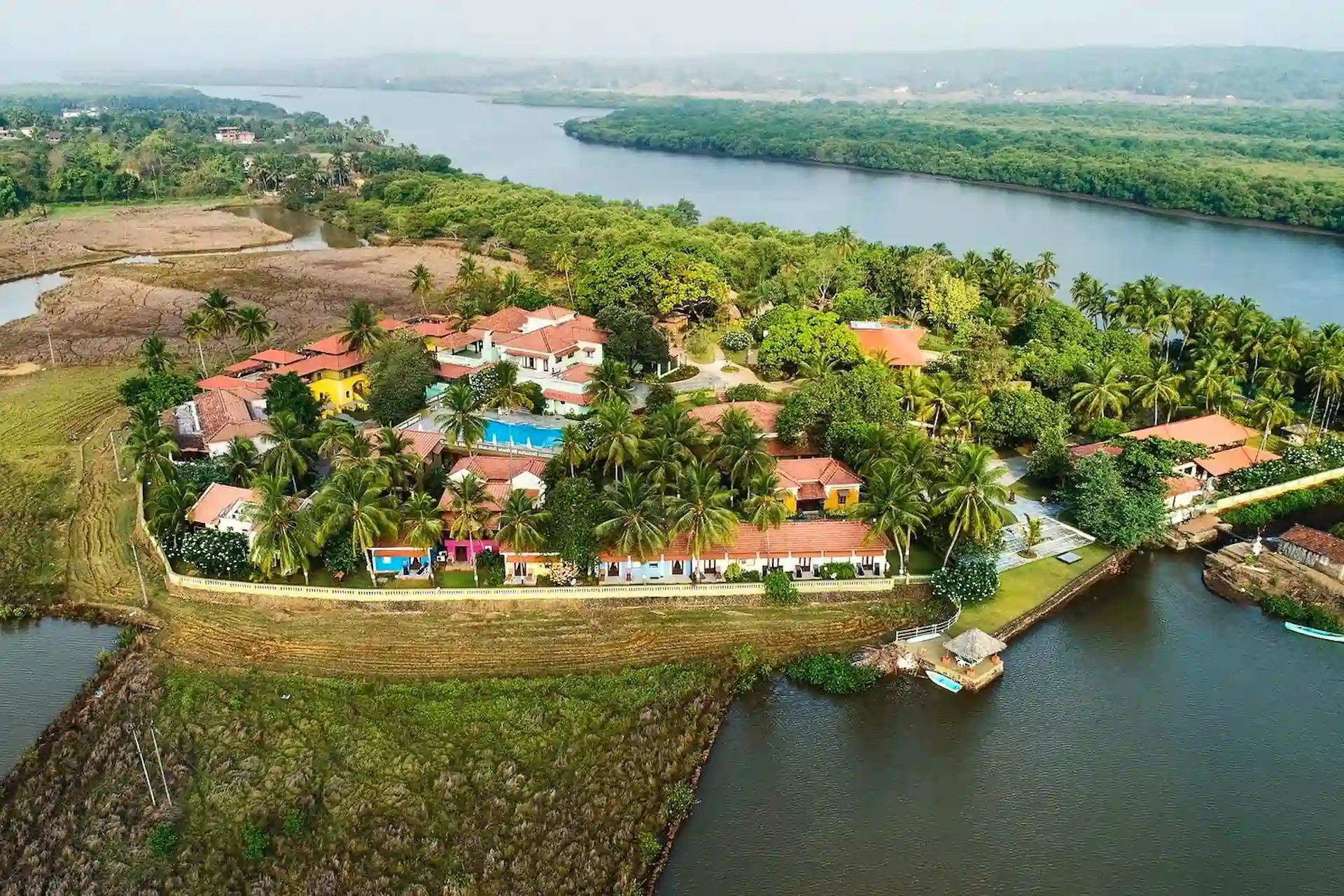
Some of the best eco-friendly destination wedding venues in India right now include properties in Lonavala, Karjat, Coorg, Wayanad, Uttarakhand, and the Aravalli hills. Kerala backwater resorts with heritage boat access are particularly popular for low-impact, intimate weddings. You are not giving up on beauty here - these places tend to be gorgeous precisely because they have been careful about the land around them.
Plan Travel with a Lower Carbon Footprint for Guests:
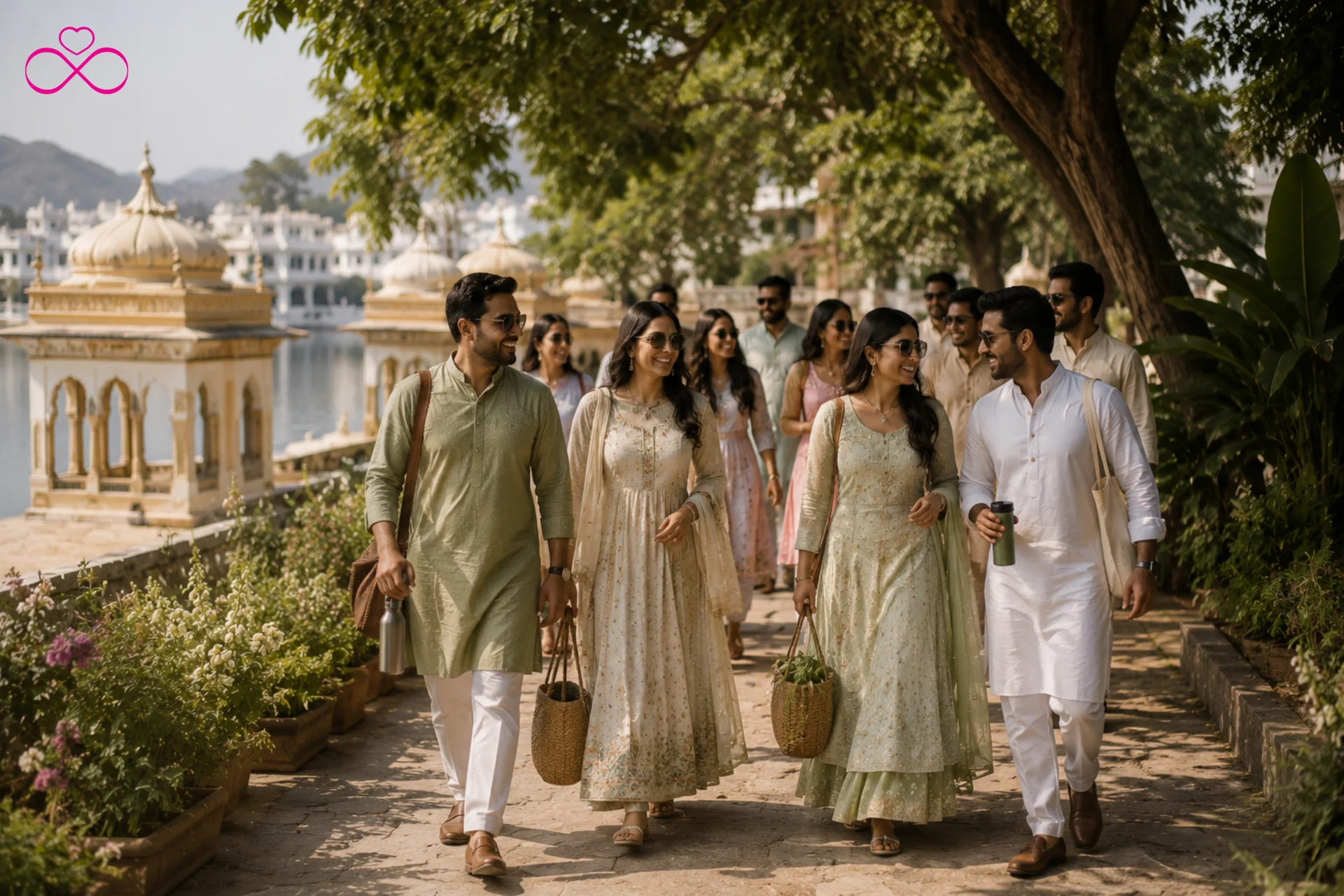
Travel is the largest carbon contributor to any destination wedding. When 150 guests fly in from different cities, the combined emissions can easily exceed what the couple produces all year. This does not mean you should abandon the destination wedding idea - but it does mean travel planning needs real attention. The goal is to reduce the number of individual journeys and the total distance travelled where possible. One of the most practical moves for an eco-conscious destination wedding is organizing group travel. A chartered train journey or group bus transfers for guests coming from the same city cuts per-person emissions considerably compared to everyone booking separate flights. If flights are unavoidable, many airlines in India now offer carbon offset options at checkout - you can also purchase verified carbon offsets through platforms like Gold Standard on behalf of your guests as part of the wedding budget.
Low-carbon travel tips for a destination wedding in India:
- Pick a destination within a 4-6 hour train journey from where most of your guests live.
- Charter a special train car or group transport - cheaper per head and far lower emissions.
- Use electric vehicle transfers at the wedding destination for all local movement.
- Provide a clear travel guide that actively encourages train over flight bookings.
- Keep the wedding to 2-3 days maximum.
Use Locally Sourced and Seasonal Flowers for Wedding Decor:
Flowers are one of the most talked-about elements of any Indian wedding. They are also one of the most wasteful, particularly when blooms are air-freighted from different states or imported from abroad. A sustainable destination wedding in 2026 calls for a different approach: seasonal, locally grown flowers that look incredible and do not travel 1,500 kilometers to reach your mandap. India grows an extraordinary variety of flowers locally. Marigolds, jasmine, tuberose, lotus, chrysanthemums, roses, and hibiscus are available in abundance across most regions without importing from outside. Working with a wedding decor team that sources locally means your flowers arrive fresher, last longer, and cost considerably less. The carbon saving is real - a marigold garland grown 40 kilometres from your Rajasthan venue is a very different thing from orchids flown in from Thailand.
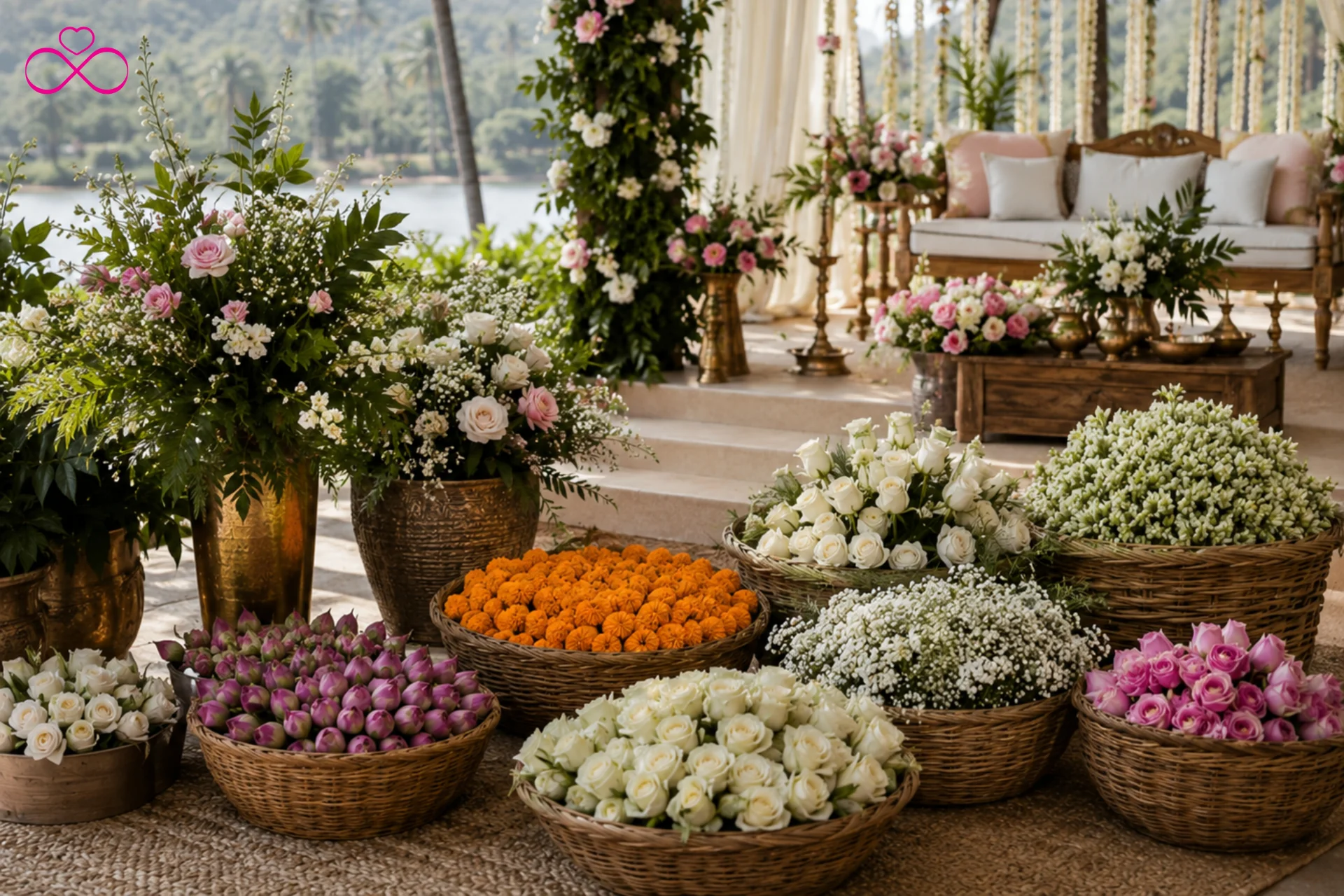
Smart sustainable wedding flower choices for 2026:
- Choose flowers that are actually in season at your destination during your wedding month.
- Combine fresh flowers with dried botanicals, banana leaves, and coconut fronds - this reduces volume and looks grounded in the location.
- Donate all fresh flowers to a temple or hospital after the wedding - many local charities collect them.
- Work with floral designers who use foam-free arrangements - traditional foam is non-biodegradable.
- Consider potted plants as centrepieces that guests can take home or donate after the event.
Go Low-Waste with Your Wedding Decor Choices:
Beyond flowers, wedding decor covers a huge amount of material - drapes, backdrops, table settings, lighting, signage, welcome arches, and stage setups. The traditional approach often means renting or buying items that end up in landfill after a single use. Sustainable wedding decor in 2026 is about renting wherever possible, choosing natural materials, and thinking about what happens to everything once the wedding ends. Natural textiles have a real advantage here. Handloom cotton, jute, khadi, banana fibre fabric, and bamboo weaves all look authentic and regional - particularly for weddings in rural or heritage settings. They are biodegradable, they often support local artisans, and they do not shed microplastics the way polyester drapes do. Rustic terracotta pots, copper diyas, clay lamps, and palm leaf plates can replace plastic alternatives entirely across most wedding elements.
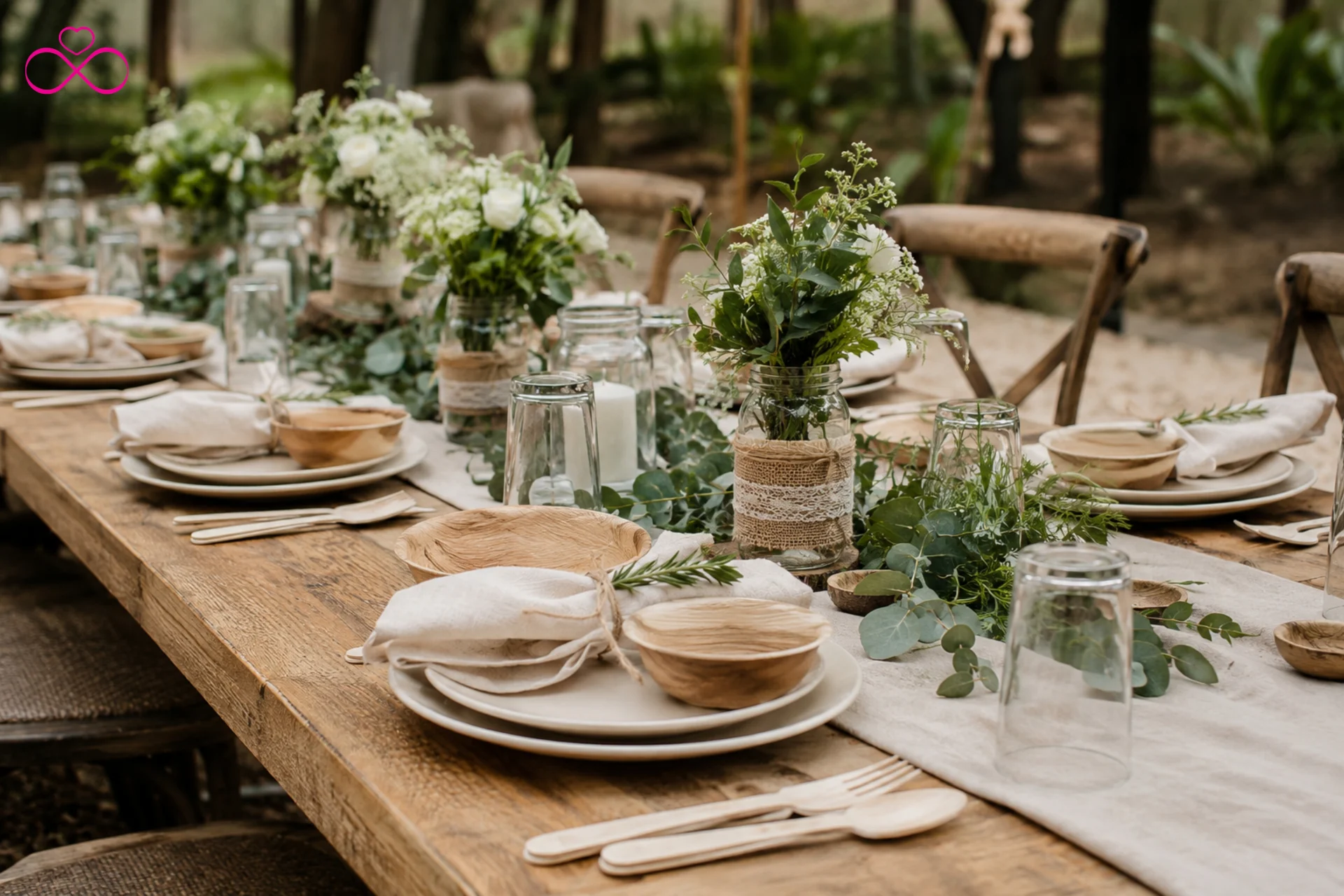
Low-waste decor ideas for an eco-friendly destination wedding:
- Rent all large structural decor - arches, stages, furniture - from local vendors near the venue.
- Use handloom fabric, khadi, or jute for draping instead of synthetic materials.
- Replace thermocol with bamboo, cane, or reclaimed wood for all structural elements.
- Opt for soy candles instead of paraffin-based ones.
- Use string lights powered by solar batteries rather than diesel generators.
Choose Organic, Local, and Seasonal Wedding Catering:
Food waste at Indian weddings is a well-documented problem. Estimates suggest that up to 30% of food prepared for a large wedding goes uneaten and often ends up in landfill rather than being redirected. Sustainable wedding catering in 2026 means thinking carefully about quantities, sourcing, and what happens to leftovers. This is one area where small decisions at the planning stage translate directly into big results on the day. Local and seasonal menus tend to be more flavourful as well as more sustainable. A wedding in Rajasthan that leans into dal baati churma, ker sangri, and local millets is telling a story about place in a way that a generic pan-Indian spread does not. Guests appreciate it. The farmers whose produce is used benefit directly.
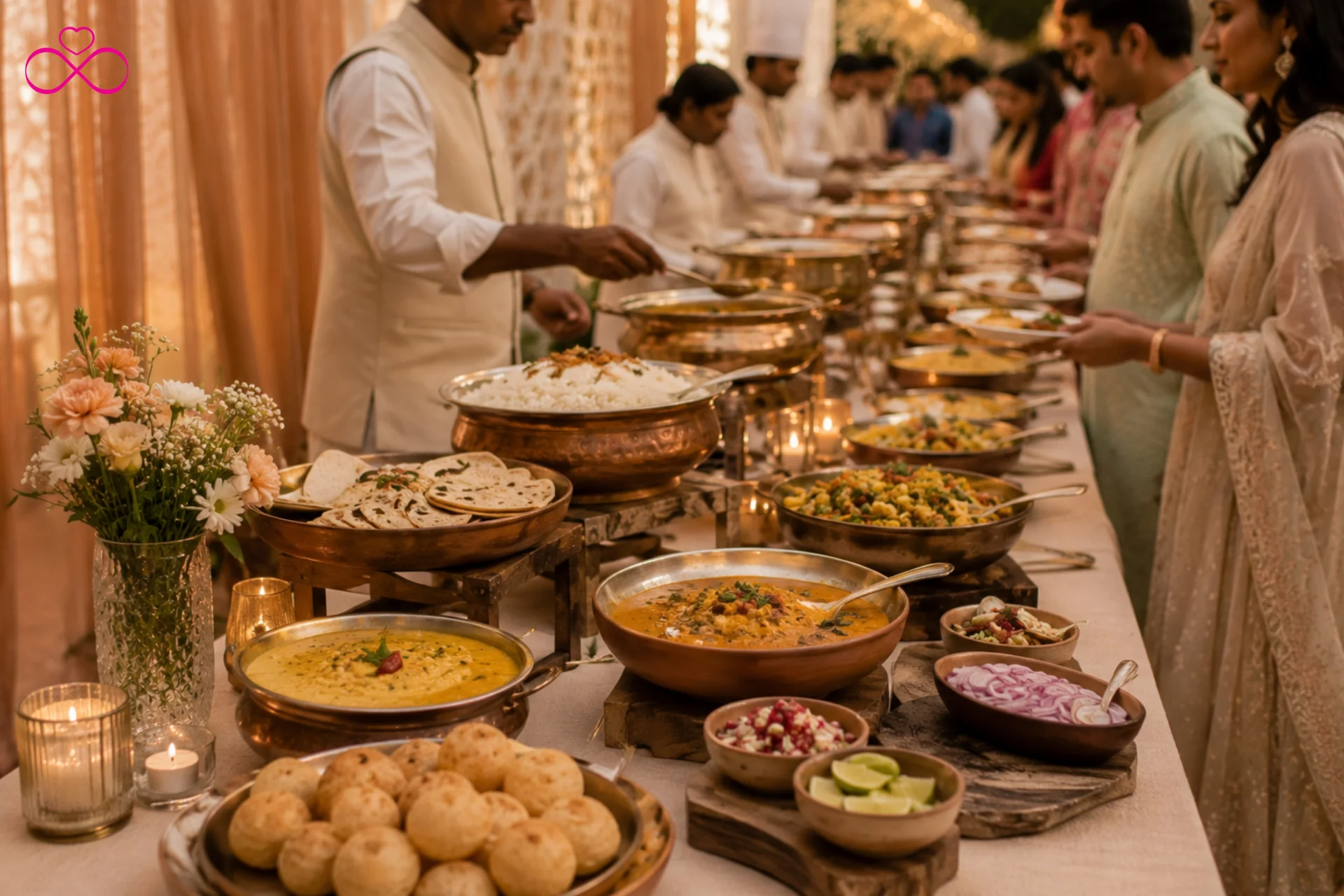
Sustainable wedding catering practices for a destination wedding:
- Work with caterers who are within 100 kilometres of the wedding venue.
- Design a seasonal menu that uses ingredients available at the destination during your wedding month.
- Pre-arrange with a local NGO or food bank to collect surplus food the same night.
- Serve water in clay kullhads or glass bottles - not individual plastic bottles.
- Use banana leaf plates, steel thalis, or crockery hire for all food service - zero disposable plastic.
Switch to Digital or Seed-Paper Wedding Invitations:
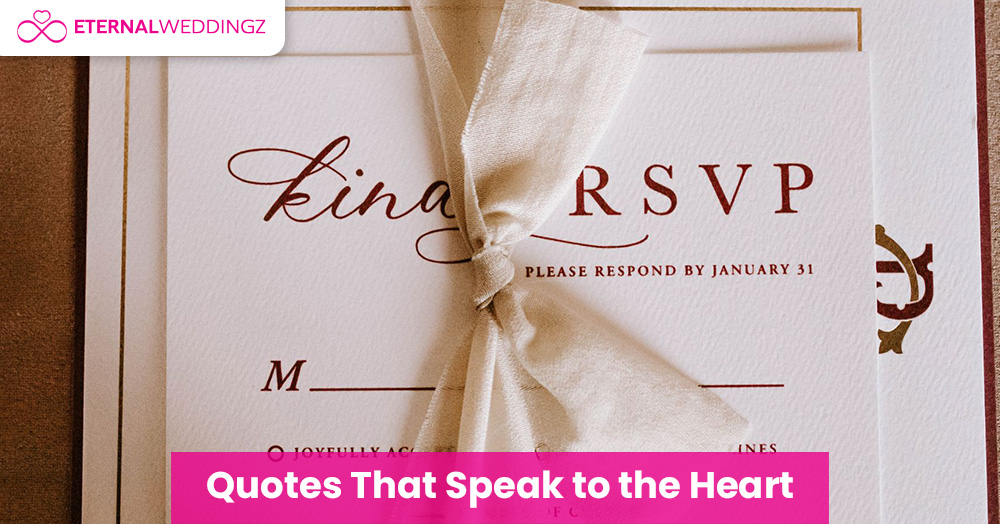
The wedding invitation is often the first big spend - and for many couples, a surprising amount of paper, plastic, and courier fuel goes into getting cards to guests. For an eco-friendly destination wedding, the invitation is a great place to start making changes, as it signals your values to guests early. It sets the tone for the whole celebration. Digital wedding invites in 2026 and 2027 are genuinely beautiful, and several Indian vendors now offer animated e-invites that are as detailed and personalized as any printed card - and they can include travel information, accommodation links, RSVP forms, and itineraries all in one place. If you still want a physical invite for close family, Recyvled Paper invitations that guests can be sourced easily from vendors in India.
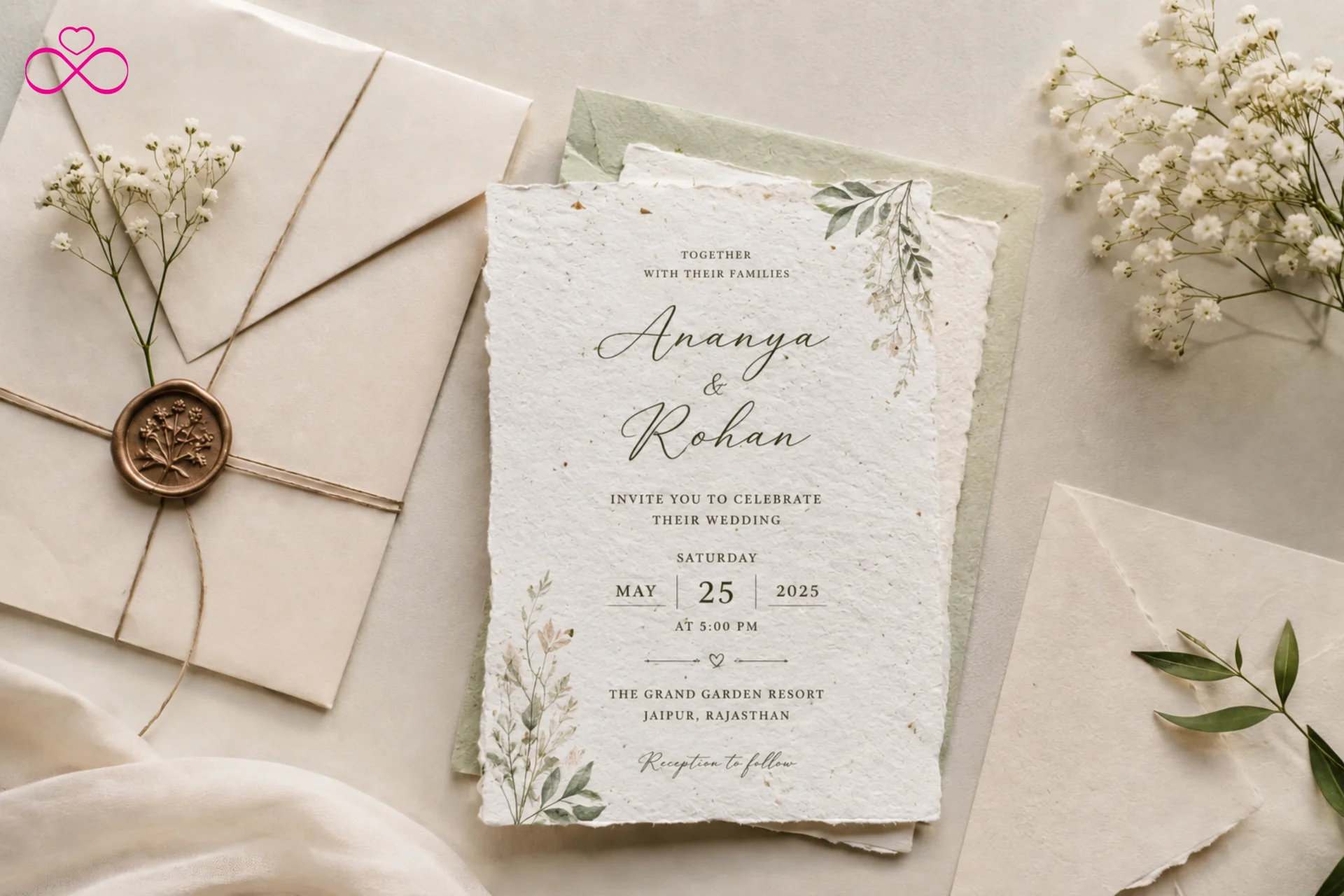
Eco-friendly wedding invitation options to consider:
- Send digital invites via WhatsApp or email for the bulk of your guest list - track RSVPs digitally.
- Use Recycled Paper Invitations for elders and close family who prefer a physical card.
- If printing, use recycled paper with soy-based inks and avoid plastic wrapping or foil lamination.
- Include a note in the invite about the eco-friendly nature of the wedding - guests appreciate knowing in advance what to expect.
- Create a wedding website that handles all guest communication - menus, travel, accommodation, itinerary - without printing separate pages.
Consider Ethical and Sustainable Wedding Attire:
Bridal lehengas and sherwanis are worn once, then often stored or discarded. The fashion footprint of a multi-function Indian wedding - with separate outfits for each event - is substantial. Sustainable wedding attire does not mean giving up on getting dressed up. It means making choices that are kinder to the people who make the clothes and to the materials involved. India has a deep tradition of handloom weaving and natural fabric production that fits perfectly with eco-conscious wedding attire. Khadi, Chanderi, Kanjivaram Silk with Natural Dyes, Banarasi silk from ethical weavers, Ajrakh block-printed fabric, and organic cotton sherwanis are all options that look wonderful and support artisan communities. Renting bridal wear is also growing as a trend - several designer rental services in India now carry high-end bridal lehengas at a fraction of the purchase price, reducing waste significantly.
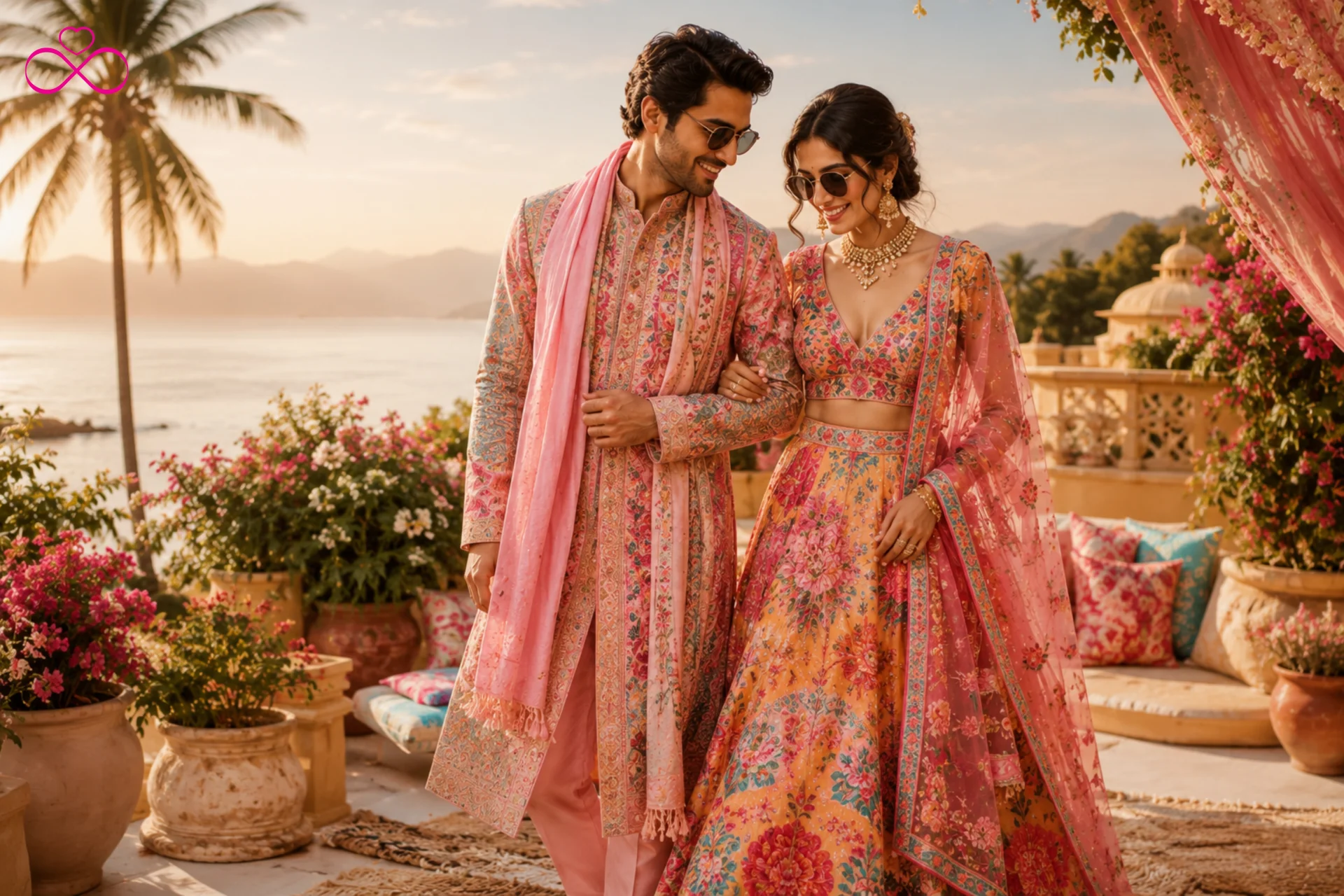
Sustainable wedding attire choices for brides and grooms in 2026:
- Choose handloom fabrics - Khadi, Chanderi, Ajrakh, or Kanjivaram - from certified weavers.
- Look for natural dyes in the fabric - avoid heavily chemically processed textiles.
- Rent instead of buying for functions where you will wear the outfit only once.
- Buy from designers who are trustworthy.
- After the wedding, donate or resell bridal wear rather than letting it sit in storage.
Build a Real Wedding Waste Management Plan:
Waste management is not the most glamorous part of wedding planning. Whether you are getting married at a beach in Goa, a forest resort in Wayanad, or a heritage hotel in Jaipur, the waste your event generates is enormous at times. So, creating a basic waste management plan that covers three things: segregation, composting, and disposal, is recommended. Set up colour-coded bins across all event areas, label them clearly, and brief your event staff on what goes where. Organic waste like food scraps and flower waste should be composted rather than sent to a landfill. Paper and cardboard go for recycling. Anything non-recyclable should be collected and transported to the nearest waste processing facility rather than being left at the venue or burned.
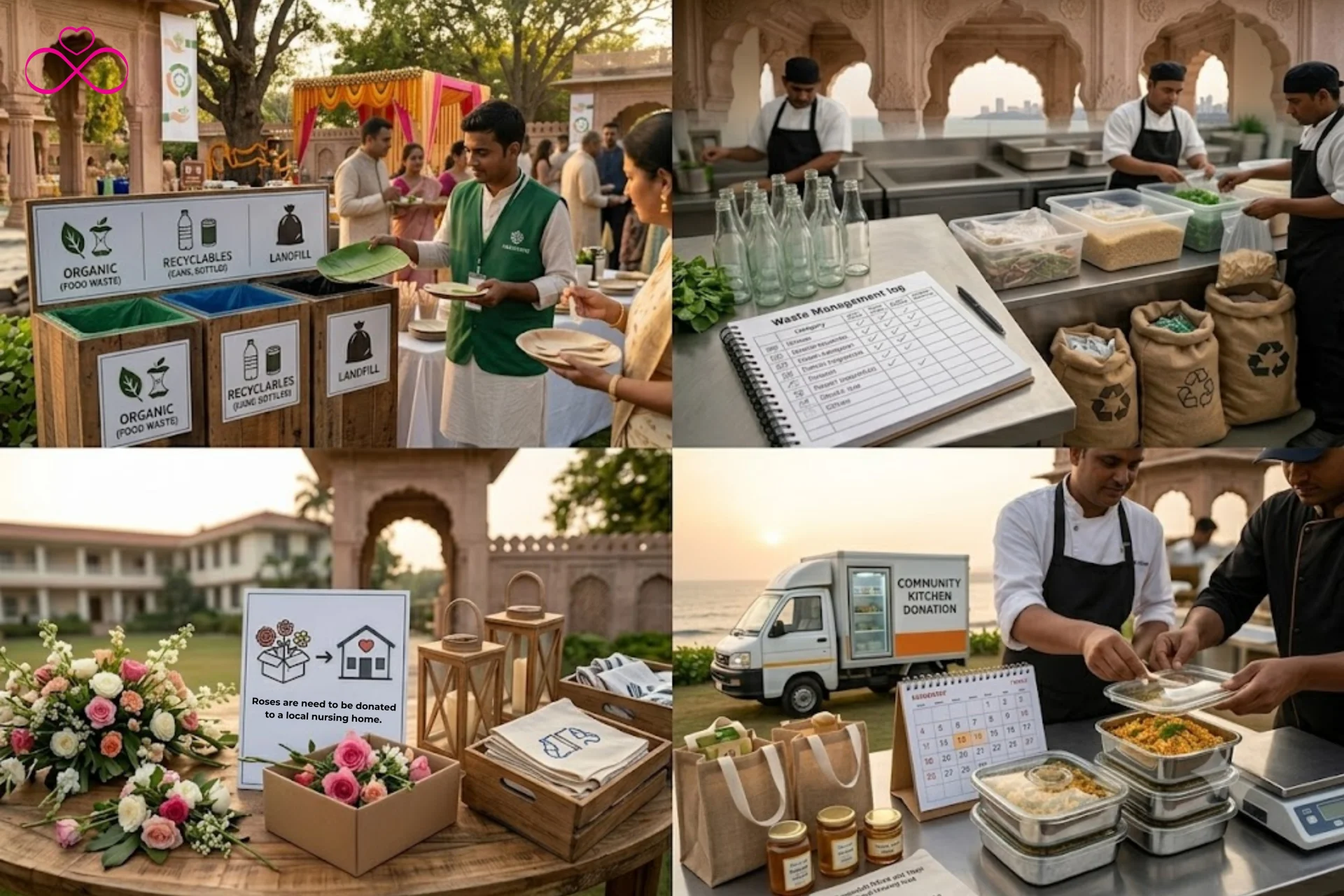
Waste management steps for a sustainable destination wedding:
- Set up wet, dry, and recyclable waste bins at all food, bar, and seating areas.
- Brief all venue staff and catering teams on the waste segregation system before events begin.
- Arrange on-site composting for all organic waste - most venues will support this.
- Hire a certified waste management partner in your planning team if the venue does not have one in place.
- Avoid releasing plastic balloons or any items that float away and cannot be recovered.
Give Back - Eco-Friendly Wedding Favors and Gifting Ideas:
Wedding favours are one of those things that often end up in a drawer and then a bin. The sweet boxes, the plastic-wrapped candles, the branded keyrings - most guests do not hold on to them. An eco-friendly destination wedding in 2026 calls for favors that are either genuinely useful, entirely edible, or plantable. The best favors are ones guests will actually remember because they were thoughtful - not because they were expensive. Some couples are shifting away from individual favours altogether and instead making a donation to an environmental cause in their guests' names - planting a tree for each guest through organisations like the Sankalp Taru Foundation, or supporting a water conservation project in the wedding region. This approach tends to get more appreciation from guests than a generic gift box and costs the same or less.
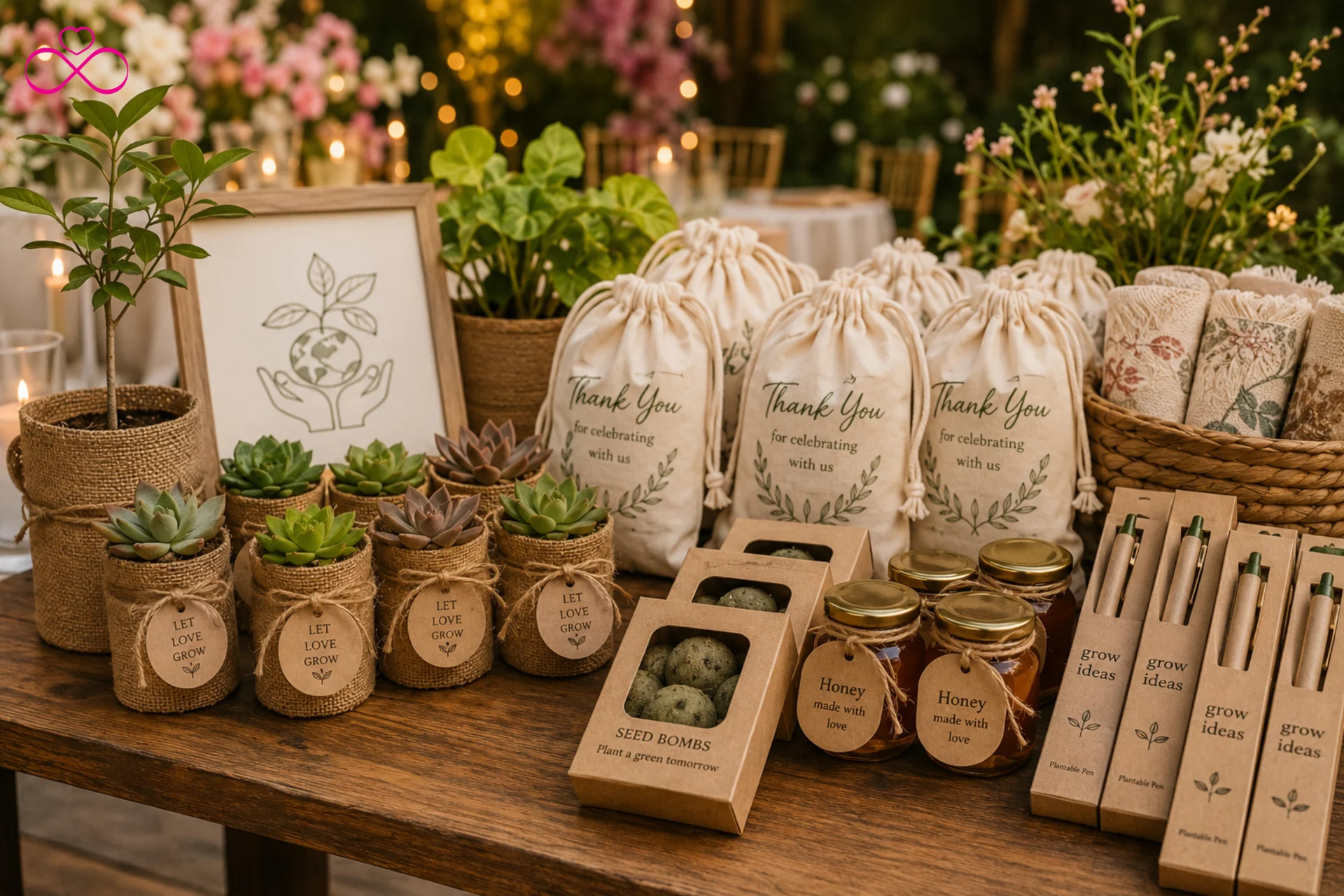
Eco-friendly wedding favour ideas that guests will actually appreciate:
- Jute Bags.
- Locally made honey, organic spice mixes, or artisan jam from the destination region.
- Small terracotta diyas or handmade clay items from local potters near the venue.
- Handloom fabric coasters, napkins, or small bags made by local weaving communities.
- Indoor plants which can be easily maintained at home.
Work with a Wedding Planner Who Actually Gets It:
There is a real difference between a wedding planner who ticks a few sustainability boxes and one who builds eco-consciousness into every vendor conversation, every supplier contract, and every day-of decision. If you are serious about planning a genuinely eco-friendly destination wedding in 2026, working with a planner who has done it before - and done it well - saves you weeks of research, avoids greenwashing traps, and produces a better result. A good wedding planner has an existing network of eco-certified venues, local florists, caterers, ethical fabric vendors, and waste management partners. They know which suppliers actually walk the talk and which ones use sustainability as a marketing term without following through. From venue scouting and vendor management to carbon offset planning and zero-waste event coordination - the team handles the complexity so couples can focus on what actually matters.
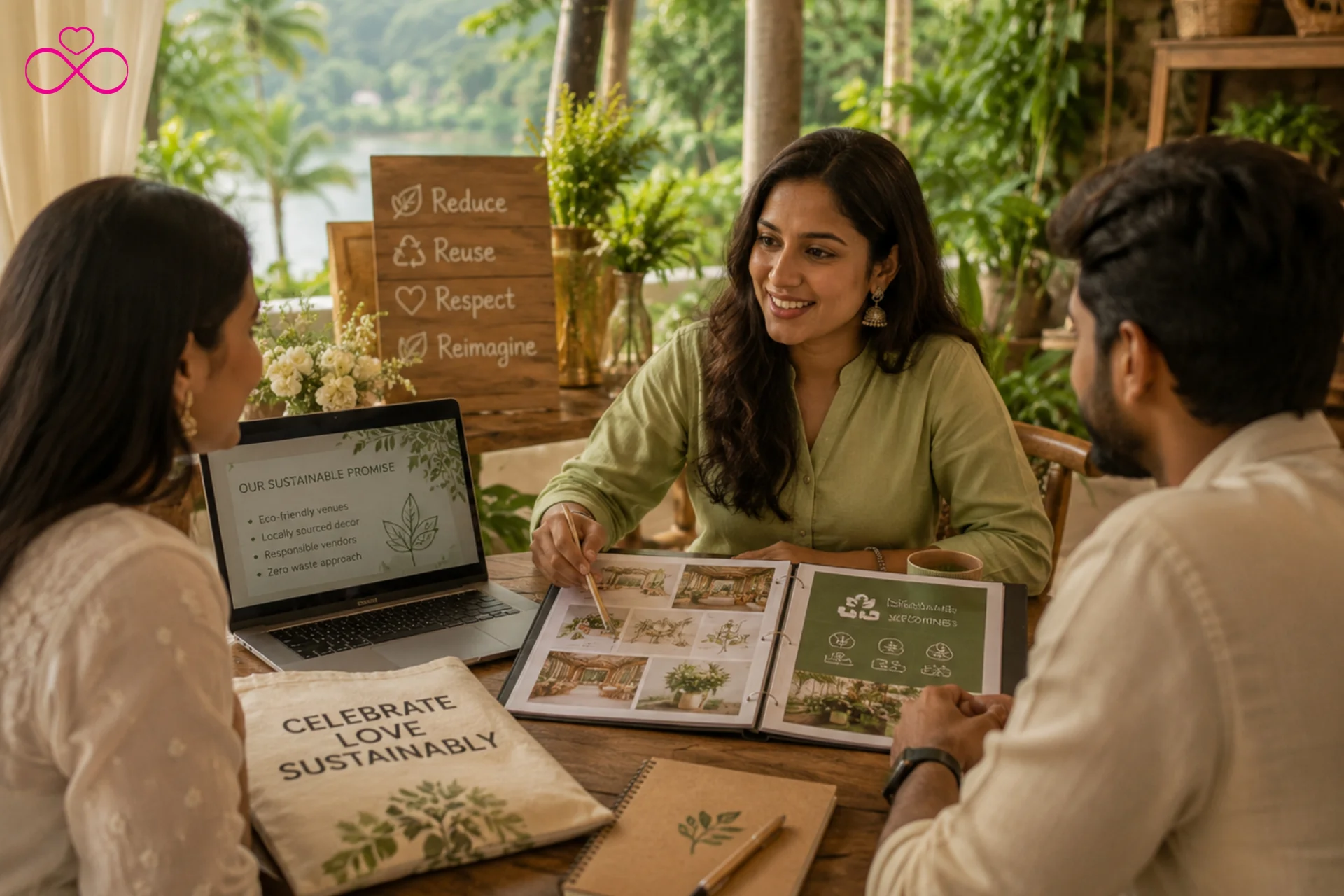
Questions to ask when choosing a sustainable wedding planner:
- How many eco-friendly destination weddings have you planned, and can I see examples?
- Do you have existing relationships with eco-certified venues and local suppliers?
- How do you handle food waste and material disposal after each event?
- Can you help us calculate and offset the carbon footprint of our wedding?
- What is your policy on single-use plastics across all vendors you work with?
Planning an eco-friendly destination wedding in India in 2026 is entirely possible without compromising on the joy, the beauty, or the scale of your celebration. The choices add up - a sustainable venue, local flowers, digital invites, seasonal food, thoughtful favors, and a waste plan combine to create a genuinely different wedding. Guests notice. The places you celebrate in are better off for it. And honestly, you will feel better about it too - not just on the day, but long after.