






9 Mistakes To Avoid When Planning A Destination Wedding
Introduction:
01. Booking the Venue Without Visiting It in Person 🏰
Instagram has made every heritage palace look like the set of a Bollywood film. Glossy resort brochures promise sunsets that appear to be permanently scheduled. But the couples who book purely on the basis of photographs and virtual tours regularly arrive to discover realities that no marketing material ever shows.
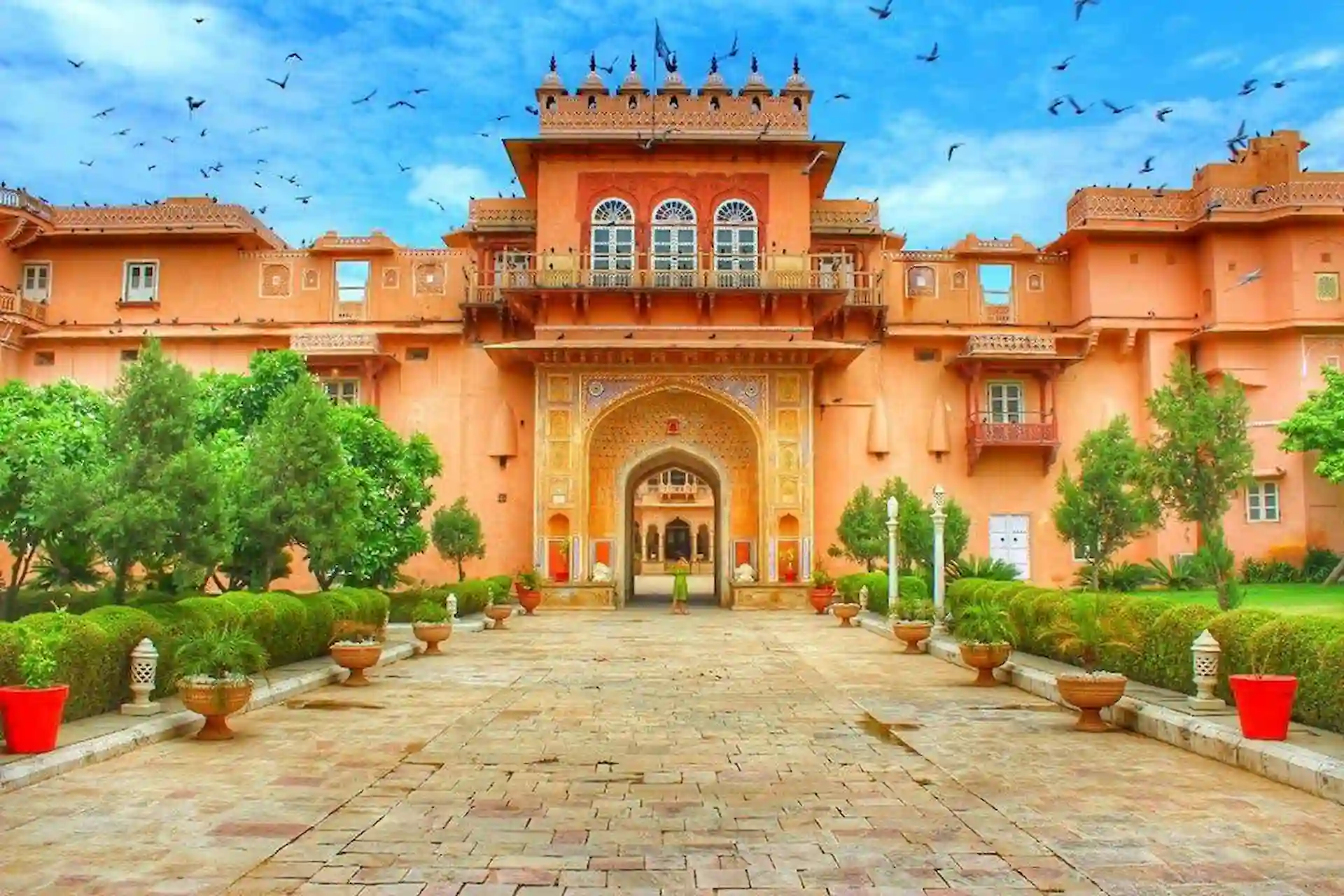
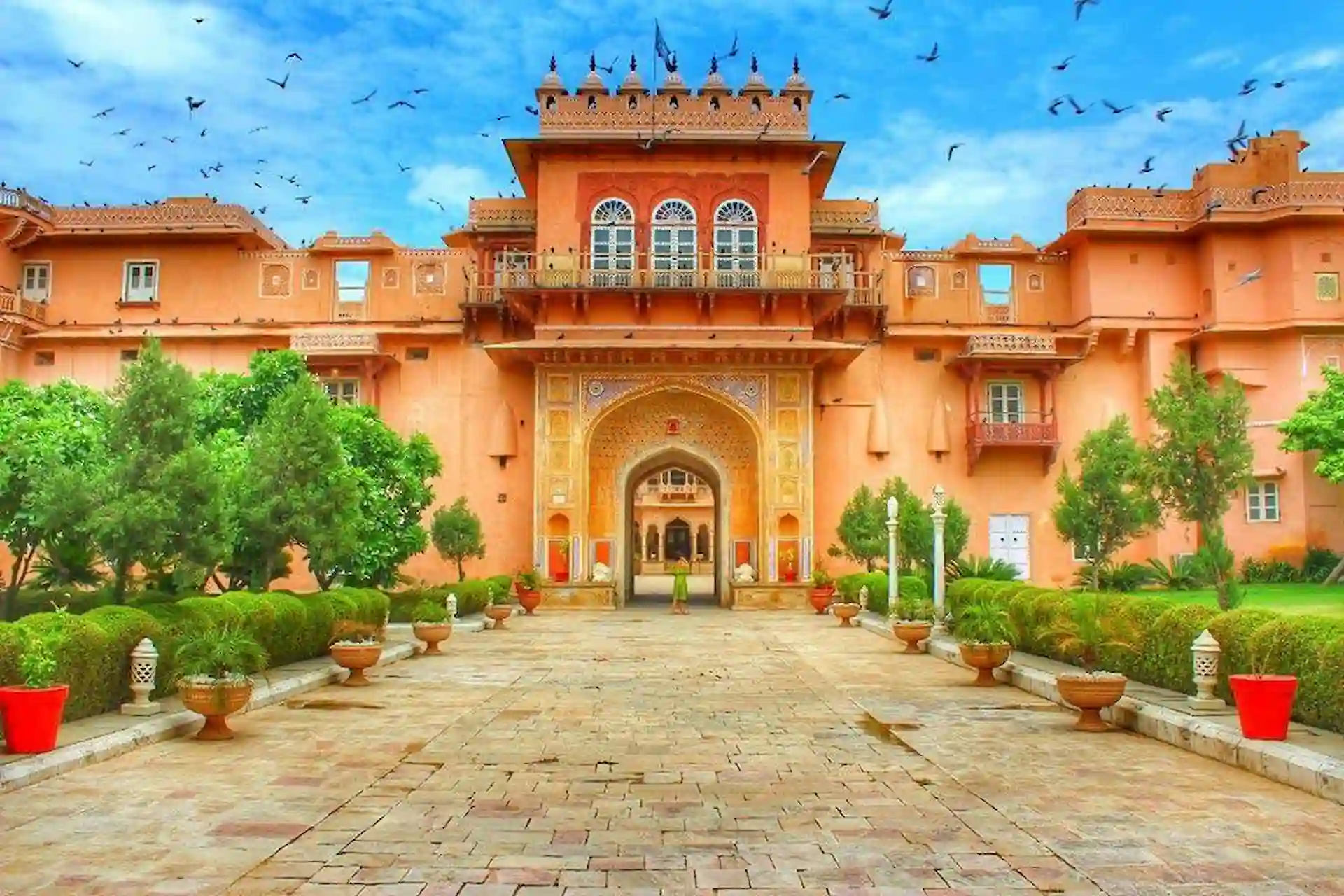
The ceremonial lawn that fits 500 in the brochure holds 300 comfortably in reality. The heritage haveli has no air conditioning — fine for a February wedding, genuinely difficult in April. The beach resort's ceremony space faces west for a sunset backdrop, which means direct afternoon sun in your guests' eyes during the pheras. The fort you fell in love with online requires guests to climb 40 stairs — nobody mentioned that either.
Before confirming any venue, visit in person if at all possible. If not, commission a trusted local wedding planner to conduct a detailed walkthrough on your behalf via a live video call. Ask them to assess the space at the same time of day as your ceremony, test the acoustics, walk every access route, and speak frankly about what they have seen go wrong there before.
02. Ignoring India's Wedding Season Windows — and Weather Realities 🌦️
India's wedding season is heavily concentrated for good reason. The October–February window aligns with cooler temperatures, lower humidity, and the absence of monsoon rains across most of the country. But within that window, destination-specific conditions vary enormously — and couples who don't research them pay for it.
A beach wedding in November is glorious. That same venue in July is a monsoon event — romantic in concept, logistically brutal. A Rajasthan fort in March begins to tip into a heat that makes outdoor pheras a genuine endurance test for elderly guests. Hill station weddings in January offer dramatic snow — but also road closures, no-show vendors, and guests who simply cannot reach you. Backwater venues are breathtaking in winter and flood-prone in the peak of monsoon.
Research the destination's specific micro-climate for your target month. Always secure a covered or indoor backup option at the venue, and build weather contingency into your décor and catering planning — an outdoor floral mandap that looks divine in the dry season requires rethinking in the humid one.
03. Signing Venue Contracts Without Reading Every Clause 📝
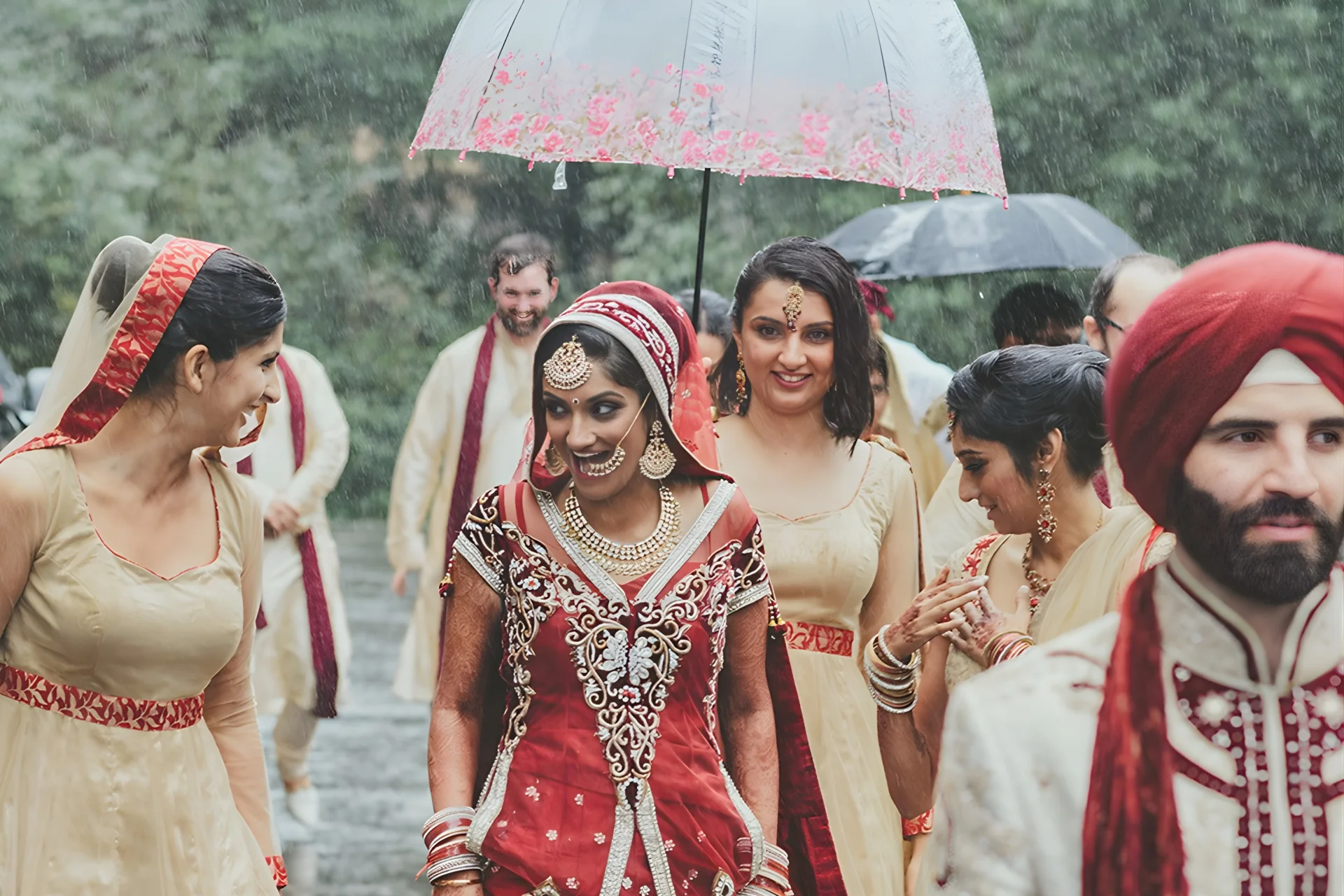
Indian heritage properties and destination resorts often operate on contract terms that differ significantly from what urban banquet halls offer. Minimum room-night guarantees, mandatory F&B minimums, exclusivity clauses, noise curfews, and décor restrictions are all common, and all frequently misunderstood until they create friction mid-planning.
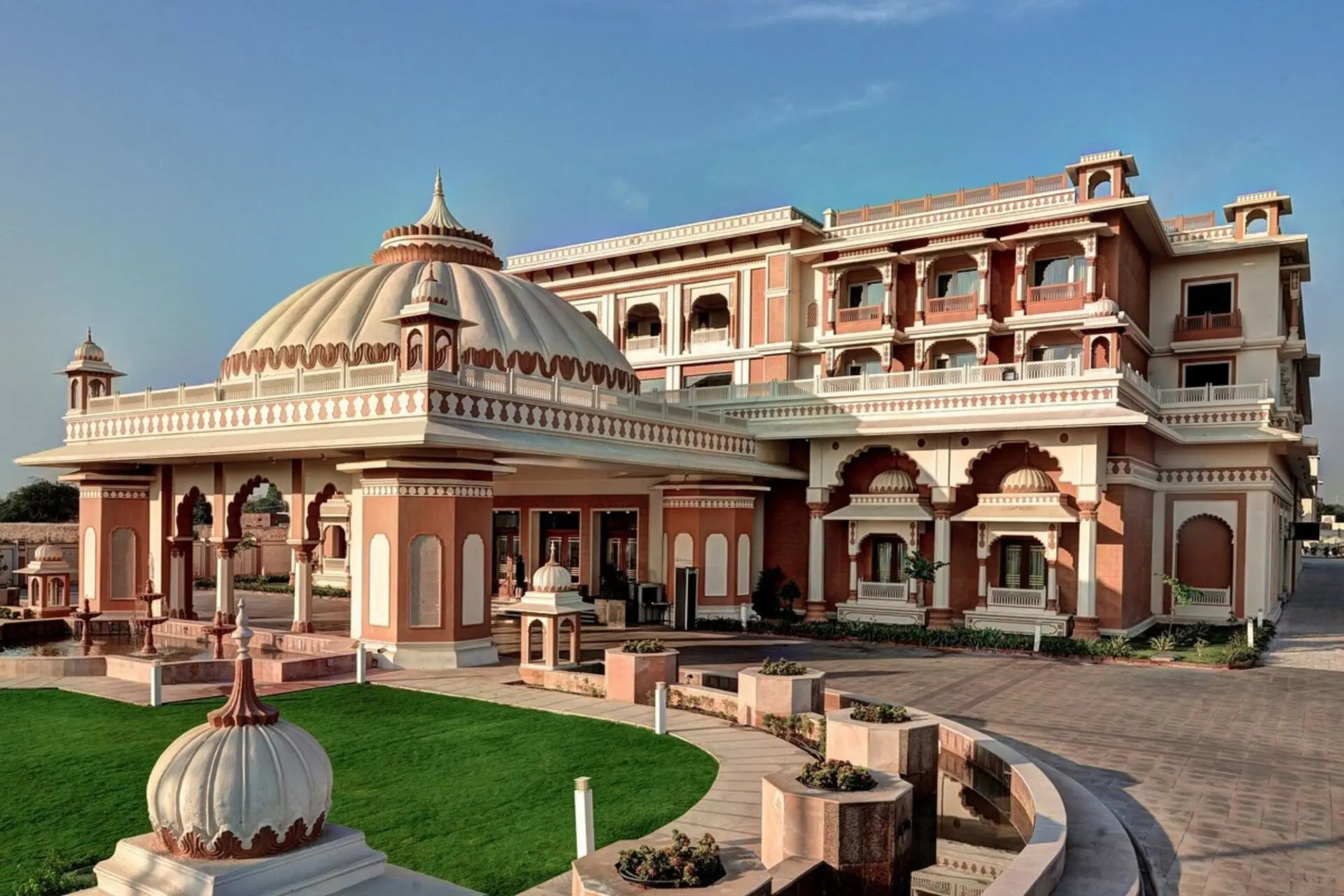
A heritage palace may require you to book a minimum of 80 rooms for 3 nights as a condition of using their outdoor lawn — that's a commitment of lakhs before you've spent a rupee on décor or catering. A coastal resort may have a hard noise curfew at 10 PM enforced by local authorities, which effectively ends your DJ set before the party really starts. Some heritage properties restrict external caterers entirely, meaning you must use their in-house team regardless of your preferences.
None of these are unreasonable terms — but they must be understood before signing, not negotiated around after. Read every clause. Ask your planner to translate what each term means in operational practice. And make sure your contract includes a clear cancellation and refund policy, in writing, before you pay the advance.
04. Not Planning Guest Travel & Accommodation Far Enough in Advance ✈️
Indian destination weddings typically involve 200 to 500 guests, many of whom are travelling from multiple cities across the country. That scale of guest movement — flights, trains, hotels, inter-venue transfers — requires far more advance coordination than most couples realize when they begin planning.
Premium wedding properties sell out months in advance during wedding season. Popular beach and heritage destinations are simultaneously fielding weddings, tourist groups, and conference bookings throughout November and December. Waiting until four months before the wedding to arrange guest accommodation at a popular destination is the planning equivalent of booking a Diwali flight in October.
Send your save-the-dates at least 10 months in advance. Block rooms across at least two or three properties at different price points — not every family has the same accommodation budget. Arrange dedicated transport from hotels to event venues for every function, and provide a clear, regularly updated guest communication — a WhatsApp group managed by someone reliable, a wedding website with logistics info, or both.
05. Underestimating the Real Cost of a Multi-Function Indian Destination Wedding 💸
Destination weddings in India are not one event — they are typically five events across three to four days: the mehendi, sangeet, haldi, wedding ceremony, and reception. Each function has its own décor brief, its own costume change, its own catering requirement, and its own entertainment arrangement. Multiply your per-event budget by five before you consider it a realistic figure.
Top heritage properties charge a premium precisely because demand is high and inventory is limited. Décor in a destination context means transporting materials, setting up in unfamiliar spaces, and potentially hiring local labour you cannot vet personally. Photographers, makeup artists, and choreographers brought from home cities add travel, accommodation, and per diem costs on top of their standard fees.
Add a minimum 20–25% contingency buffer to your total estimate. Work with your local planner to build a function-by-function budget based on real local rates, not estimates imported from a city wedding. And have an honest early conversation about what happens to the budget if the guest list grows — because at Indian weddings, it almost always does.
06. Not Hiring a Local Wedding Planner Who Knows Your Destination 📍
This is the mistake with the highest cost and the most straightforward fix. A planner based in Mumbai or Delhi with no prior experience at your chosen destination is essentially operating blind — relying on cold vendor inquiries, unfamiliar logistics, and relationships that haven't been tested under pressure. When something goes wrong at 11 PM on your sangeet night, you need someone who has been in that venue before, who knows which local electrician to call, and who the property manager will actually pick up for.
Local destination wedding planners bring vendor relationships built over years of repeated work in that specific location. They know which local décor suppliers are reliable, which caterers excel at the cuisine your family expects, which DJ understands a Punjabi wedding versus a Gujarati one, and how to navigate the specific bureaucratic requirements of that state — sound permits, fire NOCs, alcohol licensing, and more.
If you work with a planner from your home city, ensure they bring in a local operations partner for the destination. The creative vision can travel; the execution must be local.

07. Building a Schedule That Does Not Account for Indian Wedding Timings 🕐
Indian weddings run on a timeline that is partly governed by the pandit's Muhurat — the auspicious time for the ceremony — and partly by the collective energy of 400 people moving between venues, changing outfits, eating, and celebrating. Planning a destination wedding schedule as though it will operate with corporate precision is one of the most reliable ways to create stress for everyone involved.
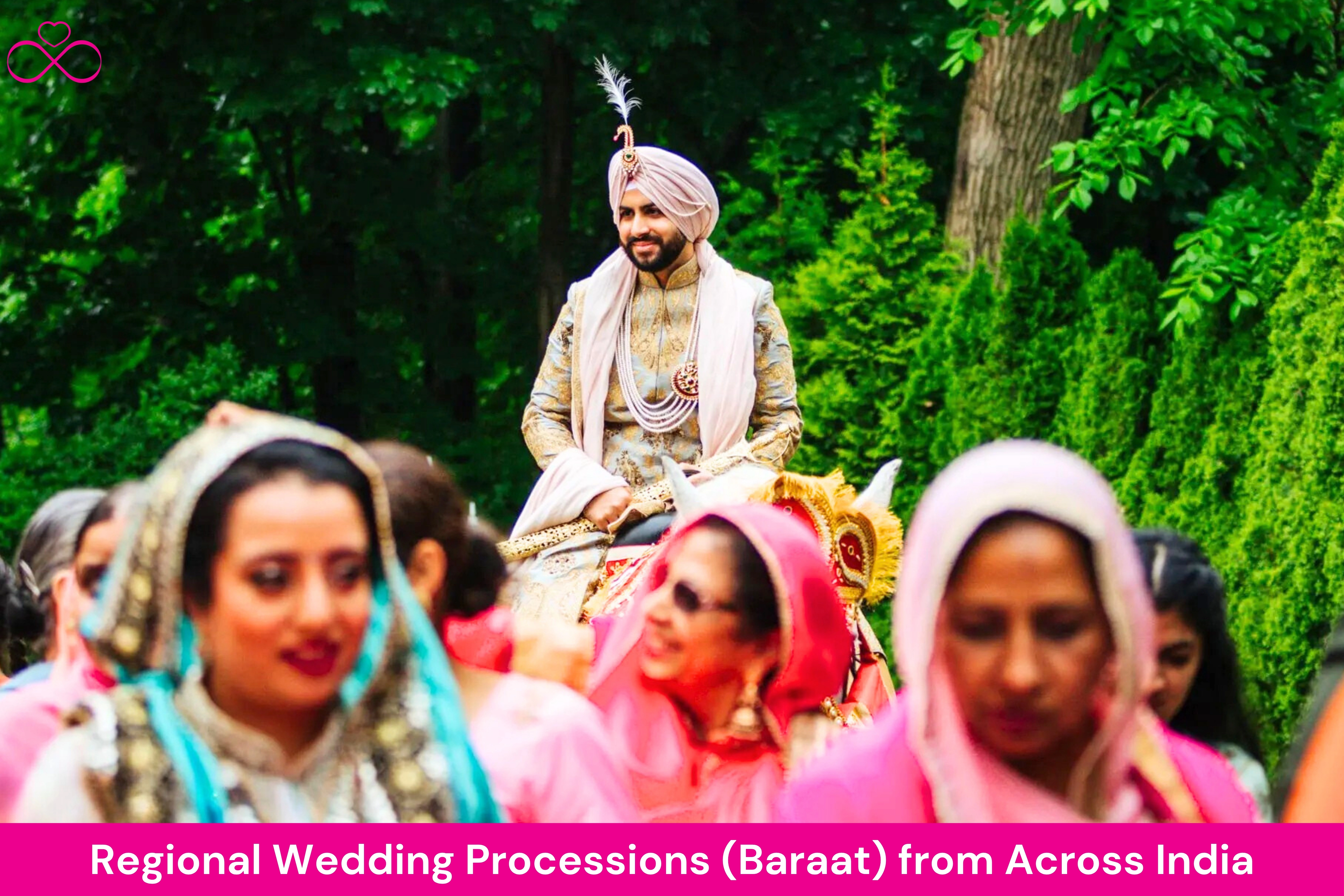
The baraat arriving 90 minutes late is not an anomaly — it is the norm. The mehendi that was scheduled for 4 PM will begin at 6 PM. The pheras that were supposed to start at 9 PM will begin when the pandit, the bride, the groom, and the close family are all present and ready — which is almost never exactly when the schedule says. Build generous buffers between every function transition, and never schedule back-to-back events without at least 90 minutes of breathing room.
Also factor in the physical distance between ceremony and reception spaces at destination properties — a heritage fort where the mandap is one courtyard and the dinner is another can require 15 minutes of guest movement alone. And for 400 people, that 15 minutes becomes 45.
08. Underestimating the Complexity of Food & Dietary Requirements 🍽️
Food is not a line item in an Indian wedding — it is one of the primary events. Guests travel across the country in significant part for the meals, and any shortfall in quality, quantity, or variety is discussed and remembered long after the ceremony itself has faded from memory. At a destination wedding, getting the food right is more complex — and more critical — than at a local event.
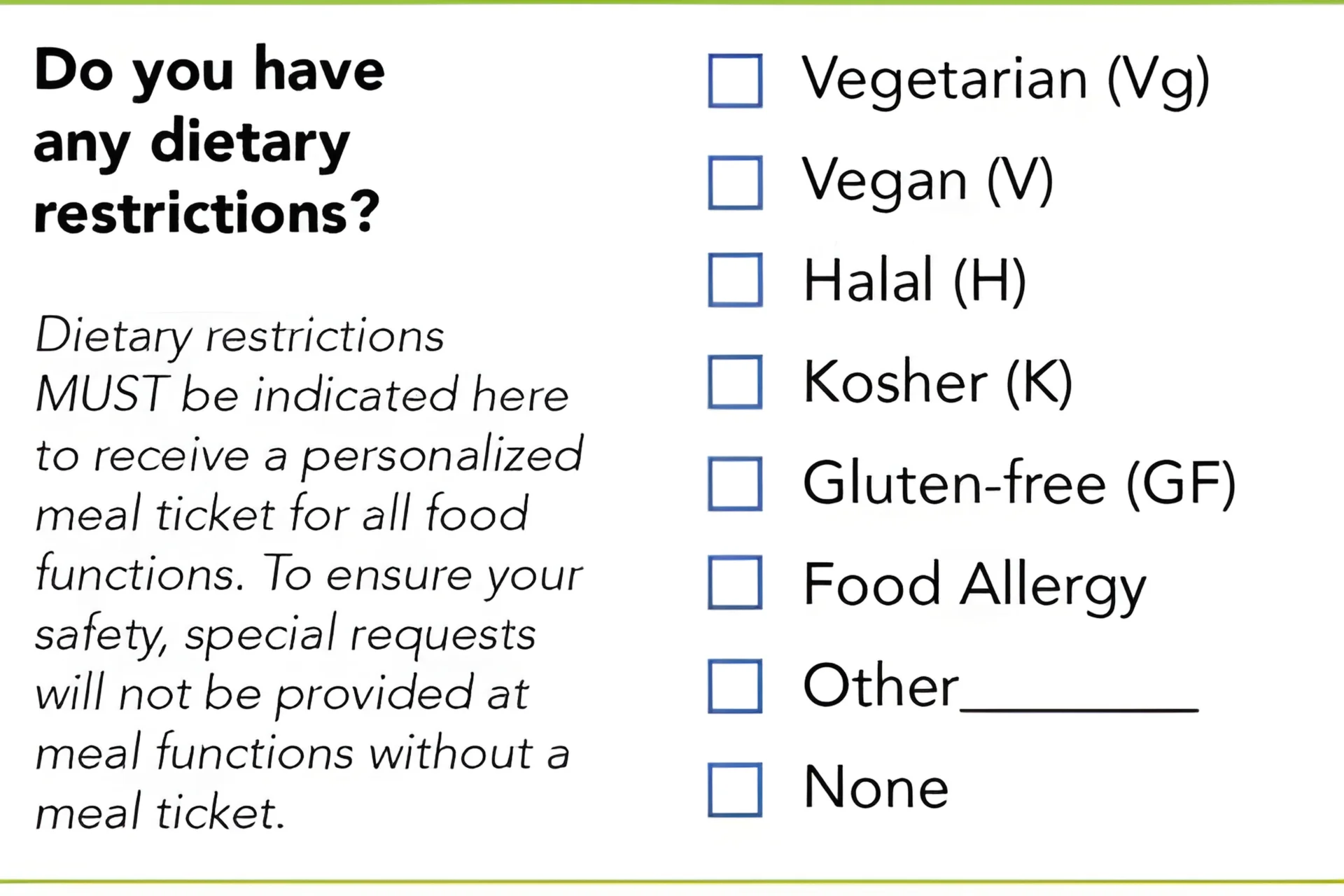
Many destination properties have in-house catering teams with limited experience of the specific regional cuisine your family expects. A Gujarati family at a heritage venue expecting specific thali items will be disappointed if the kitchen has never prepared them. Jain dietary requirements, North–South cuisine differences, strict vegetarian mandates for certain functions, and children's menus all require explicit advance planning — not assumptions.
Work with your caterer on a full menu tasting at least three months before the wedding, and involve both families in that process. Confirm specifically who is cooking, what they have prepared before for similar guest profiles, and what backup arrangements exist if a dish falls short.
09. Failing to Set Clear Expectations With Both Families Early On 👨👩👧👦
An Indian wedding is, almost by definition, a family enterprise. Two families — each with their own opinions on rituals, décor style, guest list, function timings, and hospitality standards — must be brought into alignment before a single booking is made. At a destination wedding, where the stakes feel higher and the setting more exceptional, those family dynamics intensify rather than simplify.
Couples who begin destination wedding planning without an honest early conversation with both families about budget parameters, guest list limits, which rituals are non-negotiable, and who has decision-making authority on what regularly find themselves renegotiating these fundamentals mid-planning — often after deposits have been paid and commitments made.
The earlier these conversations happen, the less disruptive they are. A family alignment meeting — ideally facilitated by the wedding planner as a neutral party — at the very beginning of the planning process sets parameters that prevent the most common conflicts from arising.