





26 Questions Every Bride Should Ask Before Hiring a Makeup Artist
Introduction:
Most brides spend more time choosing a lehenga than choosing the person who will work with their face the morning of the wedding. That is not a criticism - the lehenga is visible for days, the process of finding it is social and fun, and it comes with a natural research path. Finding the right bridal makeup artist in India is a quieter process, and because it mostly happens on Instagram and through referrals, it is easy to confuse a good portfolio with a good fit. These are not the same thing. A makeup artist who photographs brilliantly but shows up an hour late to a trial, uses products that break you out, or cannot replicate a look they themselves suggested is not someone you want standing six inches from your face at 6 AM on the most photographed morning of your life. The questions below are not a formality or a checklist to get through. They are a conversation tool. A bridal makeup artist interview is how you find out whether the person in front of you is actually right for your skin, your schedule, your look, and the specific ceremonial context of your wedding - not just whether their portfolio is beautiful. The right makeup artist for a multi-day Hindu wedding in Jaipur with a Rajasthani look, three pre-wedding functions, and a mehndi the night before is a different professional from the right makeup artist for a 100-guest intimate reception in a Delhi farmhouse. The questions are how you find out which one you are talking to.
At Eternal Weddingz, we have coordinated bridal makeup across destination weddings in Goa, Udaipur, Jaipur, Mumbai, and many more places - and the appointments that go wrong almost always go wrong for the same predictable reasons: no detailed conversation, working just based on referrals, no conversation about products before the day, and an assumption that Instagram quality equals real-event performance. This guide covers 26 questions every bride should ask before hiring a bridal makeup artist India 2026 - organized by category so the conversation flows naturally rather than feeling like an interrogation. Print this list before your first consultation. Not because you will ask all 26 in order - but because having them in front of you means you will not walk out of a bridal makeup consultation having forgotten the three questions that actually matter most for your situation.
Questions 1-5: Experience & Portfolio
The first thing most brides look at is the portfolio - and while it is a useful starting point, it should not be your final decision-maker. A portfolio shows you what the artist can create under ideal conditions with their best work selected. But it does not tell you how they handle time pressure, whether their style suits your face and skin tone, or whether the looks you love were created for clients with your specific skin type and undertone. The questions in this section help you look beyond the portfolio and understand the actual experience behind it.
Question 1: How many bridal clients have you worked with in the last 12 months - and across how many different ceremony types?
Answer - A bridal makeup artist with 60 recent bridal clients has likely seen things that one with 6 may not - especially how different brides’ skin behaves under event lighting, heat, and emotional stress. Ask about ceremony types too. A Hindu wedding with Mehendi, Haldi, and reception across three days has very different makeup demands from a single-ceremony civil wedding. You need someone who has handled your specific combination before, not just someone who is generally comfortable with weddings.
Question 2: Can I see a full unedited gallery from one of your recent bridal weddings - not just your portfolio highlights?
Answer - This is the question most brides never ask and should always ask. A portfolio is the artist's ten best photographs. A full wedding gallery shows how the makeup held up across twelve hours, different lighting conditions, dancing, humidity, and the specific combination of stress and joy that a wedding day produces. Ask for a recent one - ideally from a similar skin tone and ceremony type to yours. If the artist hesitates, that hesitation is information.
Question 3: Have you worked with my skin tone and undertone before - and can I see that work specifically?
Answer - Bridal makeup in India covers an enormous range of skin tones - from very fair to very deep, warm to cool, with dozens of undertone combinations that affect how foundation, blush, and highlight look under event lighting. An artist who photographs beautifully on lighter-toned brides is not automatically the right choice for a bride with deeper or more olive skin. Ask if they have worked with your skin tone recently and request to see those photographs. It is a simple question, and any competent artist should have a straightforward answer.
Question 4: Do you specialize in bridal makeup - or is wedding work one part of a broader portfolio that includes fashion, commercial, and film makeup?
Answer - Bridal makeup requires a specific skill set that is different from fashion editorial or commercial work. It needs to last twelve to fourteen hours under mixed lighting, look flattering in both natural daylight and flash photography, and hold up through emotional moments. Some artists do all of this beautifully, while others excel at fashion editorial but may produce makeup that looks overworked or patchy by hour six. Understanding the artist’s primary experience helps you better assess their bridal makeup suitability for your specific event.
Question 5: Can you share two or three recent client references I can contact directly?
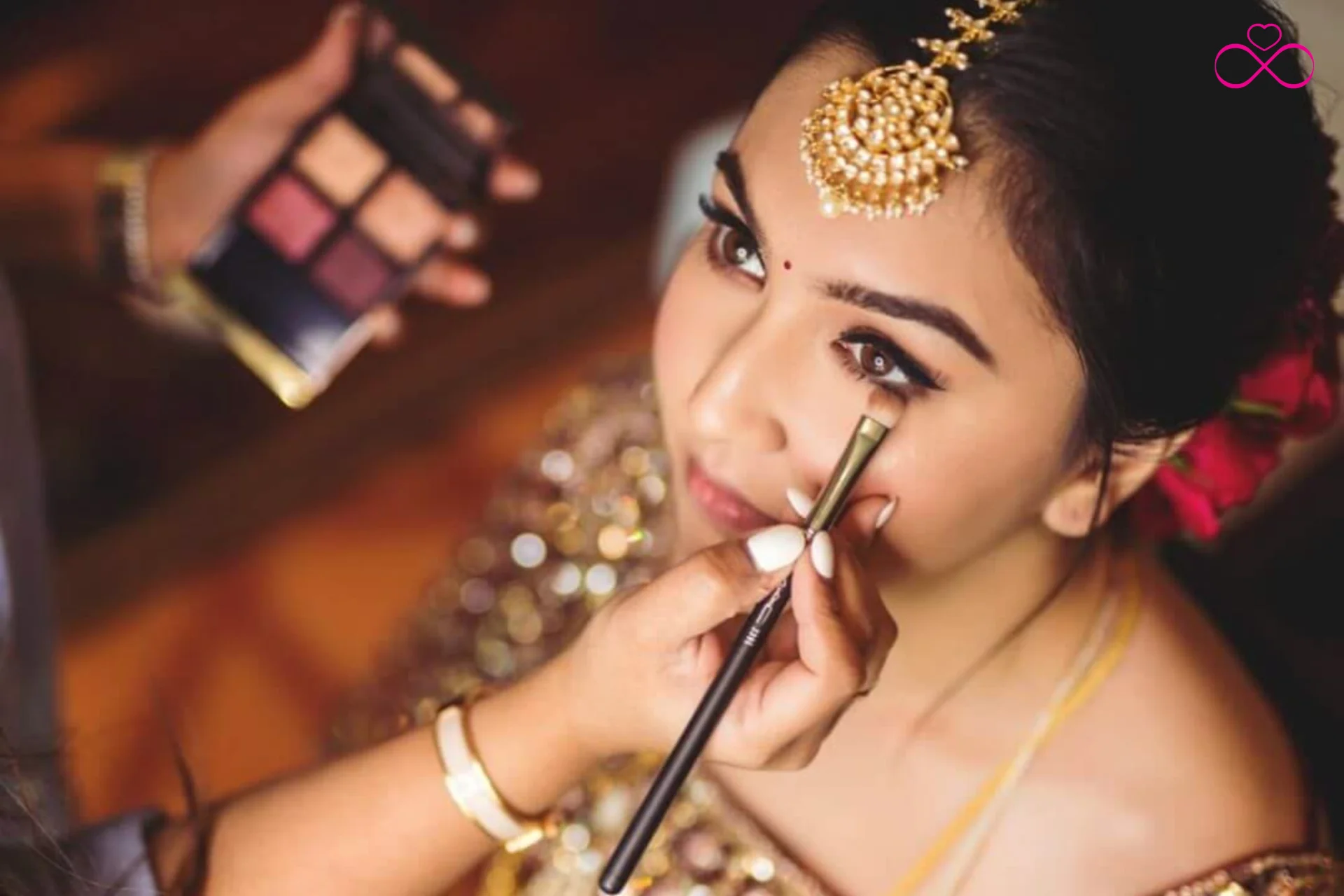
Answer - Online reviews can be managed, but references cannot. Ask for the contact details of recent bridal clients and actually follow up. Ask them: did the makeup match what was agreed in the trial, how long did the application take, was the artist punctual, and how well did the makeup hold through the full wedding day? Three honest answers from real clients can tell you more than thirty Instagram comments. If an artist cannot provide references or seems reluctant to share them, it is worth questioning further before committing.
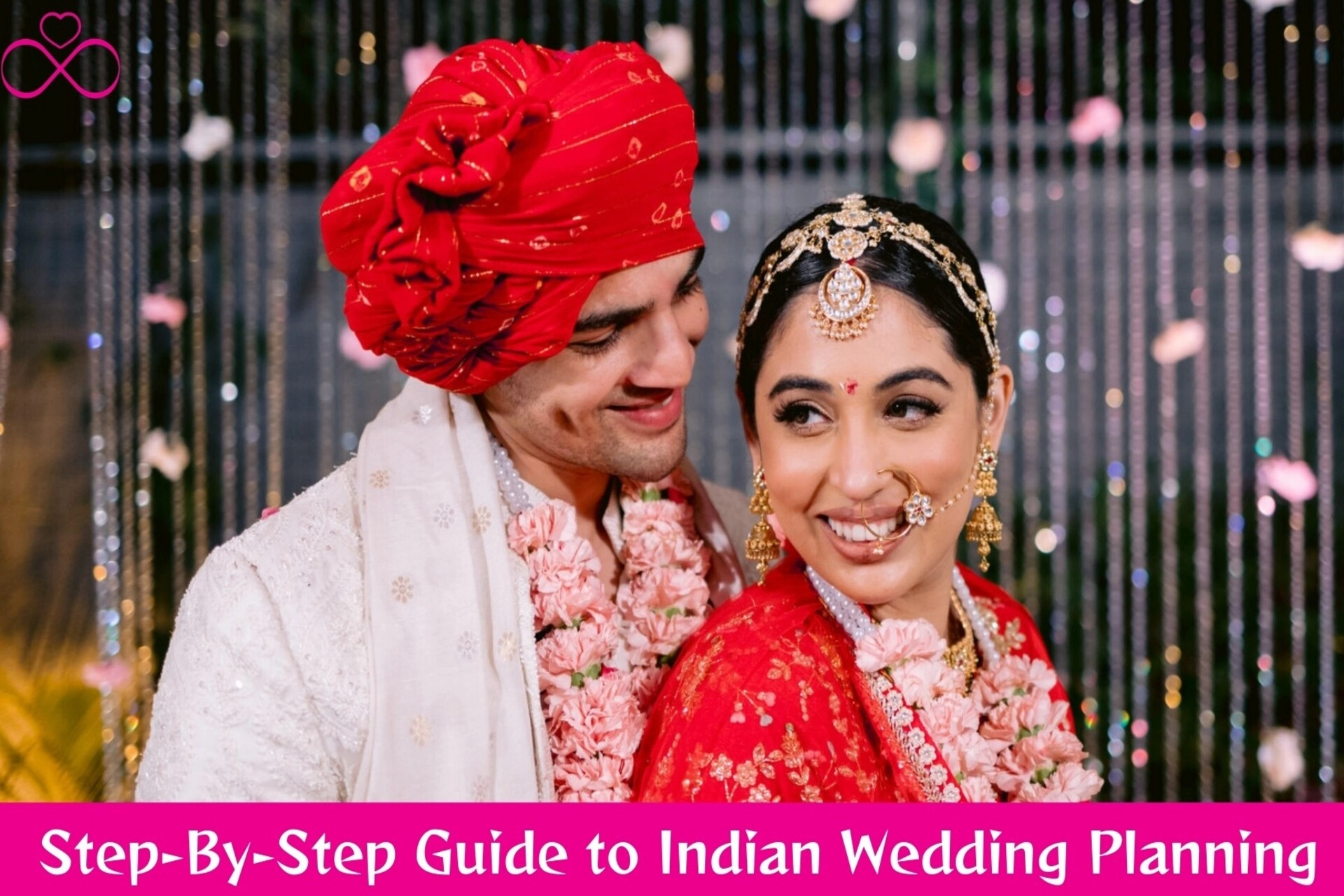
[Source - Wedding Plz. Com]
Questions 6-10: The Trial Process 🪞
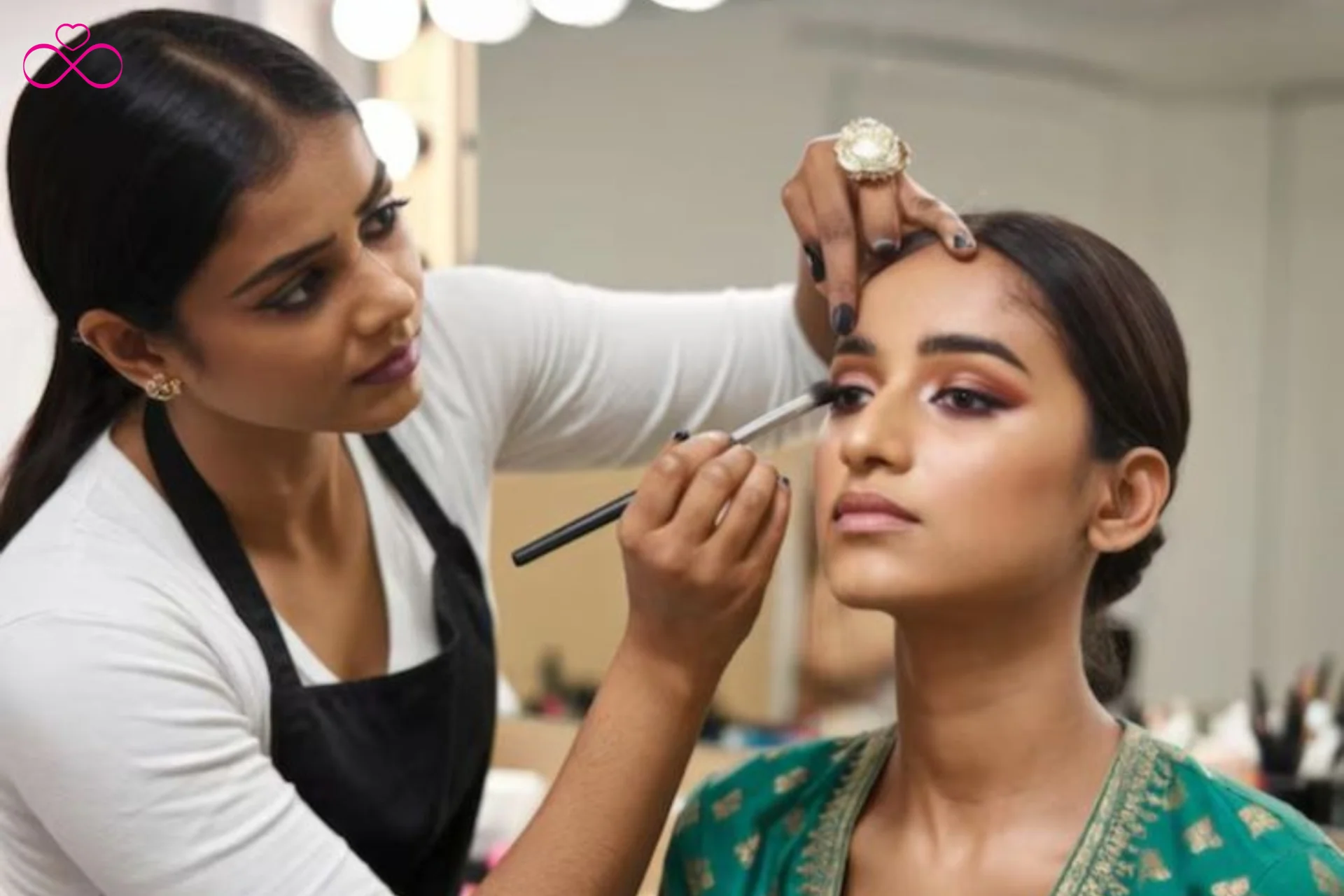
A bridal makeup trial is the most important appointment between booking the artist and the wedding day, yet it is often treated as optional. It shouldn’t be. The trial shows whether the artist can create the look you agreed on, how long it takes on your face, how the makeup looks in photographs (not just the mirror), and whether working with them feels comfortable or stressful. It is much better to know all of this before your wedding morning.
Question 6: Is a bridal makeup trial included in the package - or is it a separate charge?
Answer - Trial pricing can vary a lot among bridal makeup artists in India. Some include one trial in the package price, while others charge separately at 50-100% of the day-of rate. Some charge for the first trial and offer a second at a lower rate if the look needs significant revision. Knowing the trial cost structure before you sign anything helps you avoid surprises, like an unexpected ₹5,000 trial charge on your invoice.
Question 7: How many revisions are included in the trial - and what happens if I want significant changes after the first session?
Answer - A first bridal makeup trial rarely gives you the final look in one go. The foundation shade may need adjusting, the eye makeup may need to be softer or more defined, or the overall look may need changes for a specific ceremony. A professional artist understands this. What matters is how they handle revisions - whether a second trial is included, if there is a per-session revision charge, and whether they are open to changes without making the bride feel difficult. This question can tell you a lot about how the artist will handle wedding-day pressure.
Question 8: When should the trial be scheduled relative to the wedding date - and why?
Answer - The standard recommendation for a bridal makeup trial India is four to six weeks before the wedding date. This is close enough for your skin to be similar to how it will be on the wedding day, but still gives you time to change artists if the trial does not go well. Scheduling it one week before the wedding leaves very little backup time, while six months is too early to account for skin, weight, or style changes. Four to six weeks is the ideal window, and most professional artists know this.
Question 9: During the trial, should I come with my hair and jewellery styled as close to the wedding look as possible?
Answer - Yes - and any artist who does not ask you to do this, or tell you to bring reference images and your actual jewellery, is not running a professional bridal makeup trial. The trial look should be seen with your complete bridal ensemble. Jewellery weight, neckline, dupatta placement, and hair volume can all change how the makeup looks. A look that works on a clean face in a studio may need changes with heavy Kundan jewellery and a high-neck blouse. Bring everything, or at least clear photographs of everything.
Question 10: Can I photograph the completed trial look in both indoor and outdoor light before we finalize the brief?
Answer - A bridal makeup look that looks perfect in the studio can look very different in outdoor natural light, warm tungsten indoor event lighting, and direct flash photography. All three lighting conditions can be part of your wedding day. Ask the artist specifically if you can step outside and check the look in natural light before the trial session ends. This is standard practice at a professional bridal trial, and any artist who discourages it may know the look appears different in other lighting.
[Source - https://in.pinterest.com/pin/17803361026987494/]
Questions 11-15: Products & Skin Compatibility
The products a makeup artist uses matter for two main reasons - quality and skin compatibility. A high-quality professional kit from reputable brands does not always mean the products will suit your skin type, skin sensitivities, or the climate at your wedding venue. These questions help you understand whether the artist’s kit is current, professional-grade, and right for your specific needs before anything touches your face on the wedding day.
Question 11: What brands and products are in your kit - and how recently has it been updated?
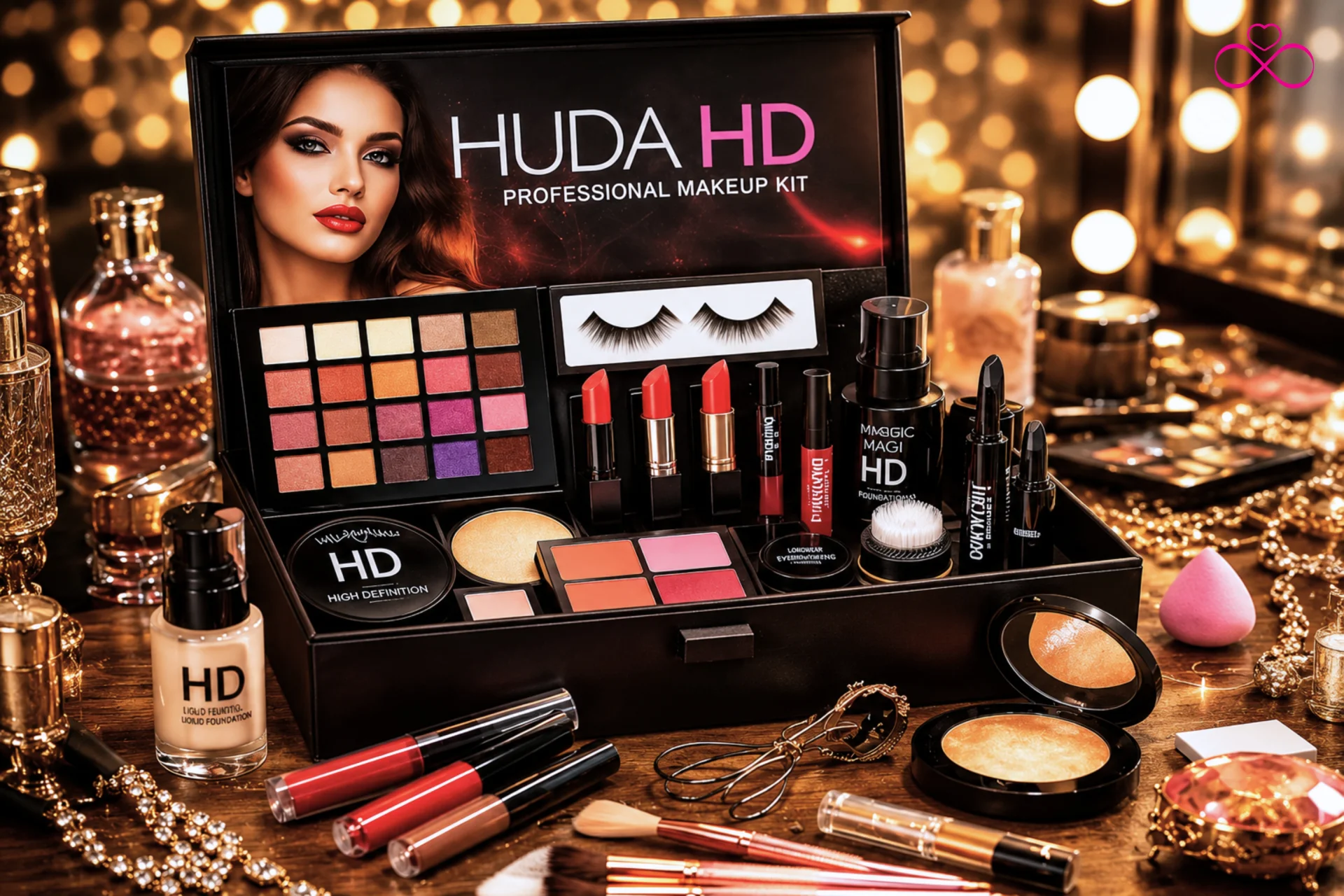
Answer - Ask specifically about the brands they use for foundation, concealer, setting powder, and setting spray - these four products have the biggest impact on how long bridal makeup lasts India through a full wedding day. Professional-grade brands like MAC, NARS, Make Up For Ever, Huda Beauty, and Charlotte Tilbury can perform differently from drugstore brands. If an artist cannot name their foundation brand or explain why they use it, it may be a sign they have not thought carefully about their kit. Product selection is a professional decision and should be explained clearly.
Question 12: Do you have foundations across a full range of deep skin tones - including shades that match warm-deep and neutral-deep Indian complexions?
Answer - Foundation shade range is a good sign of how seriously a makeup artist works with different skin tones. An artist with twelve foundation shades, mostly in the light-to-medium range, may not be prepared for brides with deeper or more olive complexions. Ask to see the shade range at the consultation instead of relying on a verbal assurance that they “work with all skin tones.” In 2026, a professional bridal kit should ideally have 30+ shades across warm, neutral, and cool undertones, covering both light and deep skin tones.
Question 13: Do you have experience working with my specific skin type - and what adjustments do you make for oily, dry, or combination skin under Indian climate conditions?
Answer - This question is especially important for outdoor destination weddings and summer season ceremonies in India. Oily skin needs a different approach - like a water-based primer, matte foundation, controlled cream products, and a strong setting spray - while dry skin needs a dewy finish, hydrating primer, and less powder. An artist who uses the same technique for every skin type may not be considering your specific needs. A detailed answer here is one of the clearest signs of professional competency during a bridal makeup consultation.
Question 14: Do you have any non-negotiable products that you always use - and are there substitutions available if I have a sensitivity or allergy?
Answer - Some artists use the same core products for every client, regardless of their individual needs. It is important to know what those products are and whether they contain anything you are sensitive to, such as fragrance, specific pigments, or latex in prosthetic adhesives. If you have a skin sensitivity or diagnosed allergy, mention it at the first consultation and ask the artist to check their kit. A patch test at the trial is also worth requesting for any product you are unsure about.
Question 15: What is your setting and longevity technique for a 12-hour wedding day - specifically for the Indian heat and humidity context?
Answer - Long-lasting bridal makeup India needs more than just “I use a good setting spray.” A professional artist should be able to explain their setting process - from the primer type and foundation application method to the powder technique and setting spray - and how it helps handle heat, humidity, emotional stress, and mixed lighting during a long Indian wedding. If the answer is only “quality products,” it may be a sign they have not thought carefully about makeup longevity.
[Source - AI-Generated Image]
Questions 16-20: Logistics, Timing & Team
Logistics are where professional bridal makeup appointments can succeed or fail. Even the best makeup artist in India cannot deliver the right result if she arrives late, runs out of time before the ceremony, or brings an assistant who cannot match the lead artist’s standard. These questions focus on operational reliability - the difference between an artist who is skilled and one who is truly professional.
Question 16: How long does the bridal application take - from first product touch to final setting spray?
Answer - Most professional bridal makeup applications in India take around 90 minutes to 2.5 hours for the bride alone, depending on the look, skin preparation, and eye makeup detail. Know this timing before the wedding day so your getting-ready schedule is realistic. If an artist says “about an hour” for a full Indian bridal look with heavy eye work and contouring, they may not be allowing enough time. Build your getting-ready timeline backwards from the ceremony start time, using the artist’s honest time estimate as your guide.
Question 17: How many clients are you taking on my wedding day - and what is the scheduling sequence?
Answer - A bridal makeup artist handling three brides on the same day is unlikely to give enough time to each one. Ask directly: who else is booked on your wedding date, in what order, and how the schedule ensures they finish with the previous client before starting with you. A professional artist taking multiple clients in one day should have a clear plan. A vague answer could mean they are overbooking or have not planned the logistics properly.
Question 18: If the bridal party also needs makeup - bridesmaids, mother of bride, family - how does this work and who is responsible for those looks?
Answer - Many bridal makeup artists work with an assistant or team for larger groups. The critical question is whether the assistant’s work matches the lead artist’s standard. Ask to see the assistant’s work specifically, not just the lead artist’s portfolio. If the bridesmaids are handled by someone with a different skill level, the difference can show in every group photo. Confirm the team structure and make sure you have seen the work of everyone who will be doing makeup on your wedding day.
Question 19: Are you comfortable travelling to my venue - and what are your travel and accommodation requirements for a destination wedding?
Answer - Destination wedding makeup in India comes with extra logistics that a local wedding does not. The artist has to travel with their full kit, deal with airline weight or carry-on limits, and plan accommodation and per diem. These details should be agreed in writing. The artist should also know how to pack their kit safely, as some products have travel restrictions. A makeup artist who regularly works destination weddings in India should have clear and practical answers to all of these questions.
Question 20: What are your requirements for the getting-ready space - lighting, seating, power access, and mirror setup?
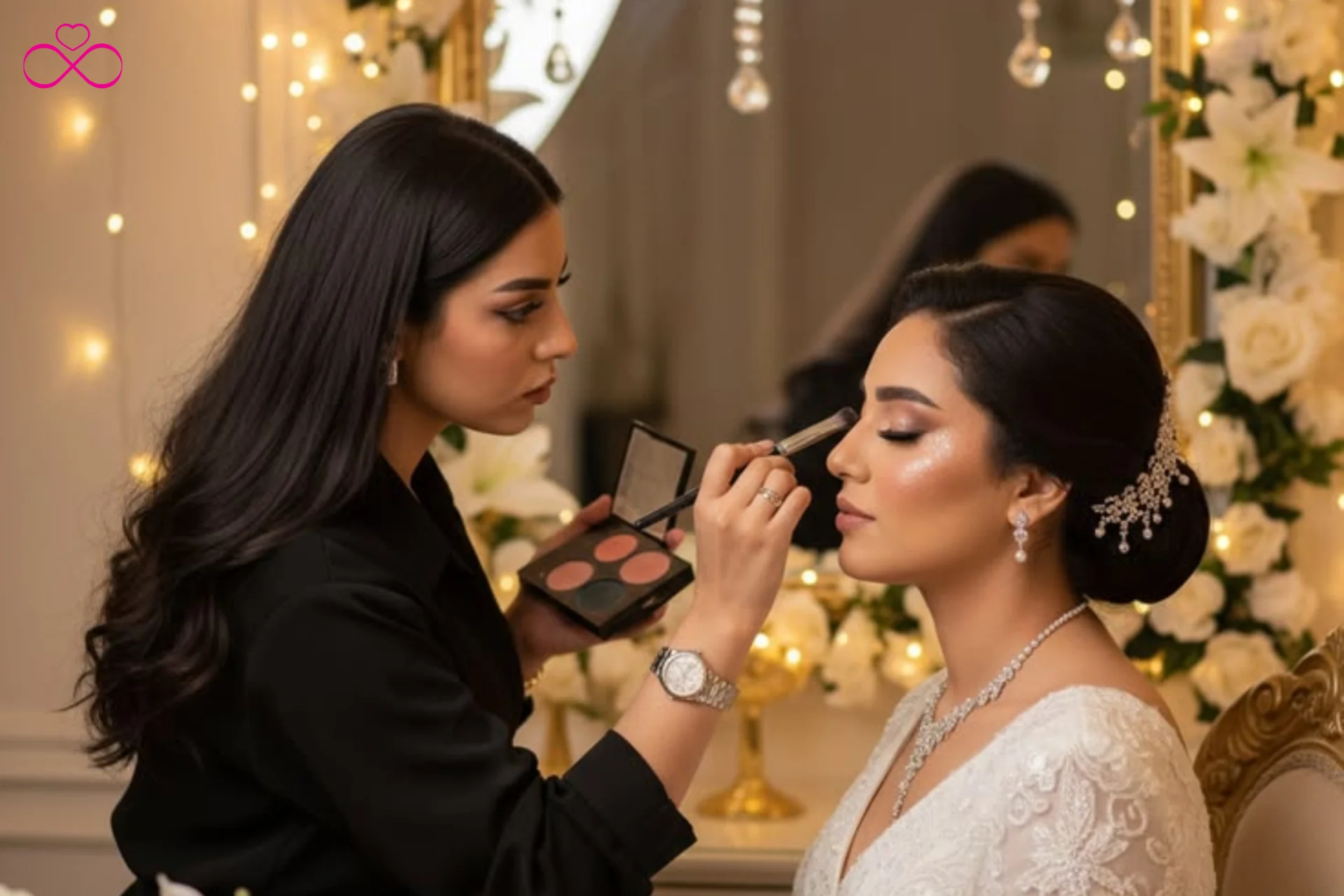
Answer - A professional makeup artist needs the right setup to do their best work. Natural daylight or daylight-temperature lighting is much better for colour matching than the warm tungsten lights found in many hotel rooms. A comfortable chair, stable space for the kit, and a full-length mirror are also important. Ask the artist about their ideal setup and confirm it with the venue. A dark hotel room with poor lighting is not the right setting for a full bridal makeup application.
[Source - Wedding Affair Official]
Questions 21-26: Contracts, Payment & Backup Plans
The contract and payment conversation can feel awkward, but it is one most brides wish they had discussed clearly. Without a written contract, important details like the date, time, look, price, and team may exist only in a WhatsApp chat that can be understood differently months later. These five questions are about professional accountability, and an artist who avoids them is giving you useful information about how they work.
Question 21: Do you provide a written contract - and what does it cover?
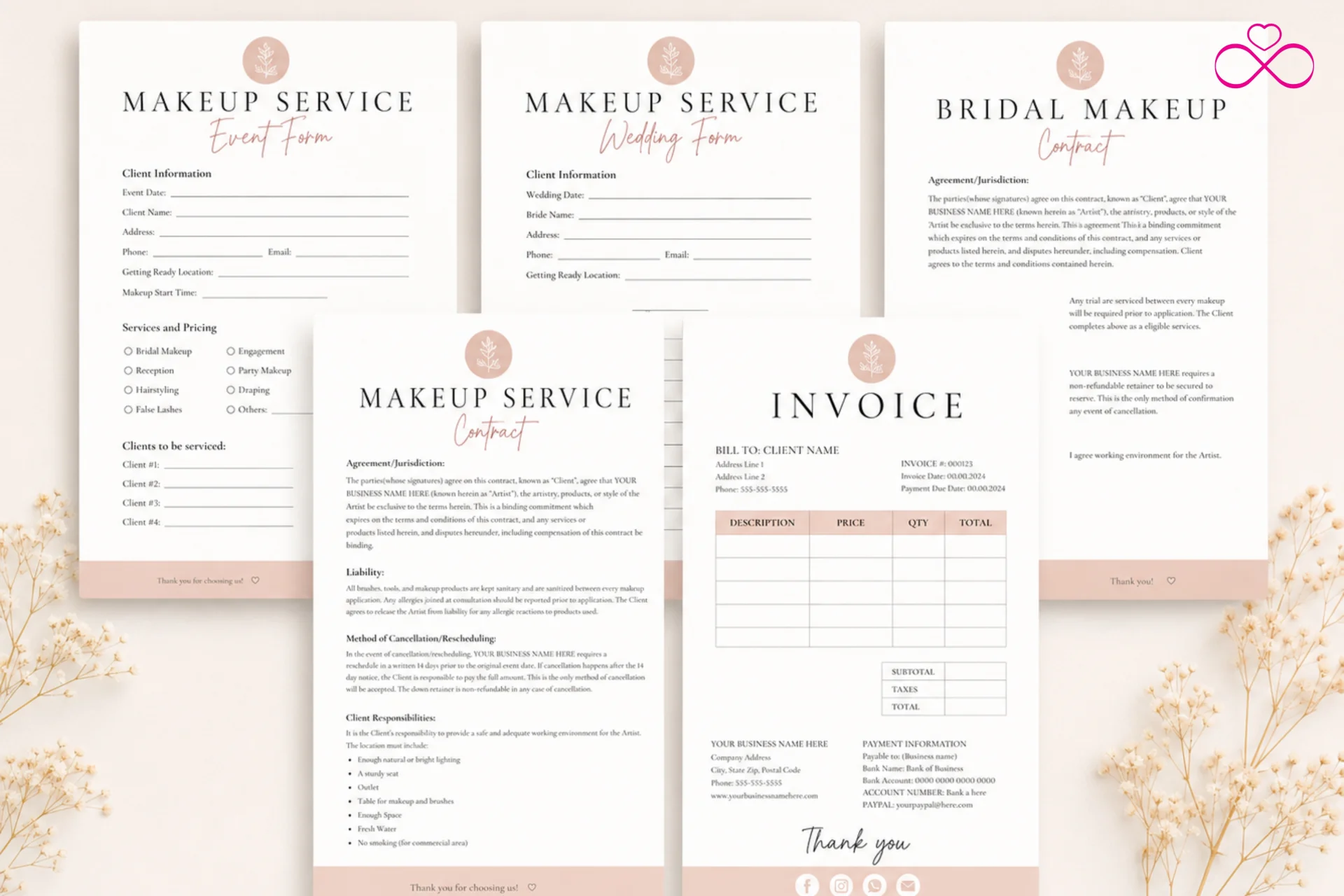
Answer - A bridal makeup artist contract should clearly cover the wedding date and time, getting-ready call time, number of people being made up, a description of the agreed looks for each ceremony, total fee breakdown, payment schedule, cancellation and refund policy from both sides, travel and accommodation for destination weddings, and the backup plan if the artist cannot attend. If the booking form only mentions the date and total price, it is not a complete contract. Ask what is missing and request it in writing before the deposit is paid.
Question 22: What is your cancellation policy from your side - and what happens to my payment if you cancel?
Answer - Most bridal makeup contracts address the bride's cancellation clearly but address the artist's cancellation vaguely or not at all. Ask directly: if you are unable to attend my wedding day for any reason - illness, emergency, personal circumstances - what is the process, what is the notice period, who covers the cost of finding a replacement at short notice, and what refund applies to payments already made. An artist who has not thought through their own cancellation policy has not been doing this long enough to have faced the scenario. An artist with a clear, documented protocol for their own unavailability is one who has.
Question 23: What is the payment schedule - deposit, balance, and method - and are there any additional charges I should expect beyond the quoted total?
Answer - Bridal makeup artist fees India typically involve a booking deposit of 25-50% at the time of signing, with the balance due anywhere from two weeks before to the morning of the wedding. Extra costs can sometimes appear later, such as travel, additional family members, touch-up sessions, overtime, parking, or accommodation for destination weddings. Ask specifically: "Is there anything that could add to the total I am looking at right now?" and get the answer in writing.
Question 24: Do you have a backup artist you can arrange at short notice if you are unable to attend - and have I seen that artist's work?
Answer - A makeup artist without a backup plan may not have a clear process for handling last-minute cancellations. Ask if they have a network of artists with a similar standard who can step in at short notice, and whether you can approve the backup artist before the wedding day. Ideally, ask to see two or three examples from the backup artist's portfolio when signing the contract, not the night before your wedding when you have no other choice.
Question 25: Are you available for touch-ups between ceremonies - and what does this arrangement look like in terms of timing and additional cost?
Answer - A multi-function Indian wedding - Mehendi morning, lunch, Sangeet evening, wedding ceremony the next day - has several points where touch-ups make a meaningful difference to how the bride looks in photographs. Some artists include a touch-up kit as standard, while others offer on-site touch-up service between functions at an hourly rate. Some leave after the getting-ready session and are unavailable for the rest of the day. Know which option applies before the wedding day, so you are not left without help when your Sangeet starts at 7pm and your eye makeup needs a quick fix.
Question 26: What is your backup plan if you get sick? How many people can you manage, and do you have an adequate team?
Answer - A professional bridal makeup artist should always have a clear backup plan for unexpected situations like illness or emergencies. Ask what happens if she cannot make it on your wedding day and whether she has trusted makeup artists who can step in at a similar standard. Also ask how many people she can comfortably handle and whether she has an adequate team for the bride, bridesmaids, and family members. A good team should be able to manage everyone without rushing or compromising the quality of the makeup. Before booking, confirm the team size, roles, and backup arrangement so you know exactly who will be handling makeup on your wedding day.
[Source - AI - Generated Image]
The Right Artist Is the One Who Answers All of This Without Hesitation:
A professional bridal makeup artist who has been working weddings long enough to be good at it will not be put off by these questions. They will have clear, practiced answers to every one of them - because they have been asked before, because they have learned from situations where something was not confirmed in advance, and because they understand that a prepared bride is easier to work with than an anxious one. Hesitation, vague answers, or visible discomfort in response to any of the questions above is useful information that is worth taking seriously before the deposit clears.
If you need help identifying and shortlisting the right bridal makeup artist for your destination wedding - particularly across Goa, Jaipur, Udaipur, and Maharashtra - the team at Eternal Weddingz works with a vetted network of artists across India's major wedding destinations and can make introductions based on your skin tone, ceremony type, look brief, and budget. We have sat through enough bridal makeup appointments to know which artists answer these questions well and which ones do not. Get in touch and we can help narrow the list before your first consultation.