




Band Baaja Baraat: The Essential Elements Behind the Beautiful Madness
Introduction:
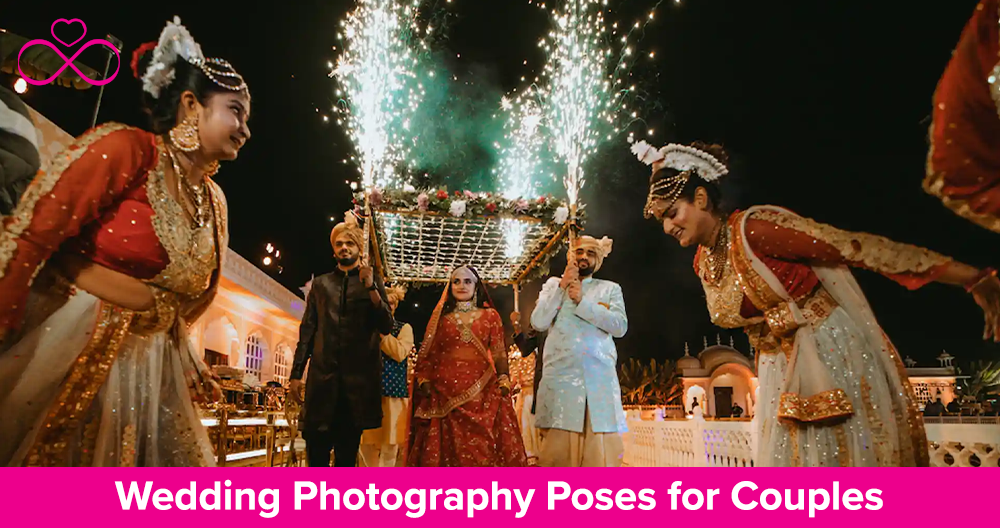
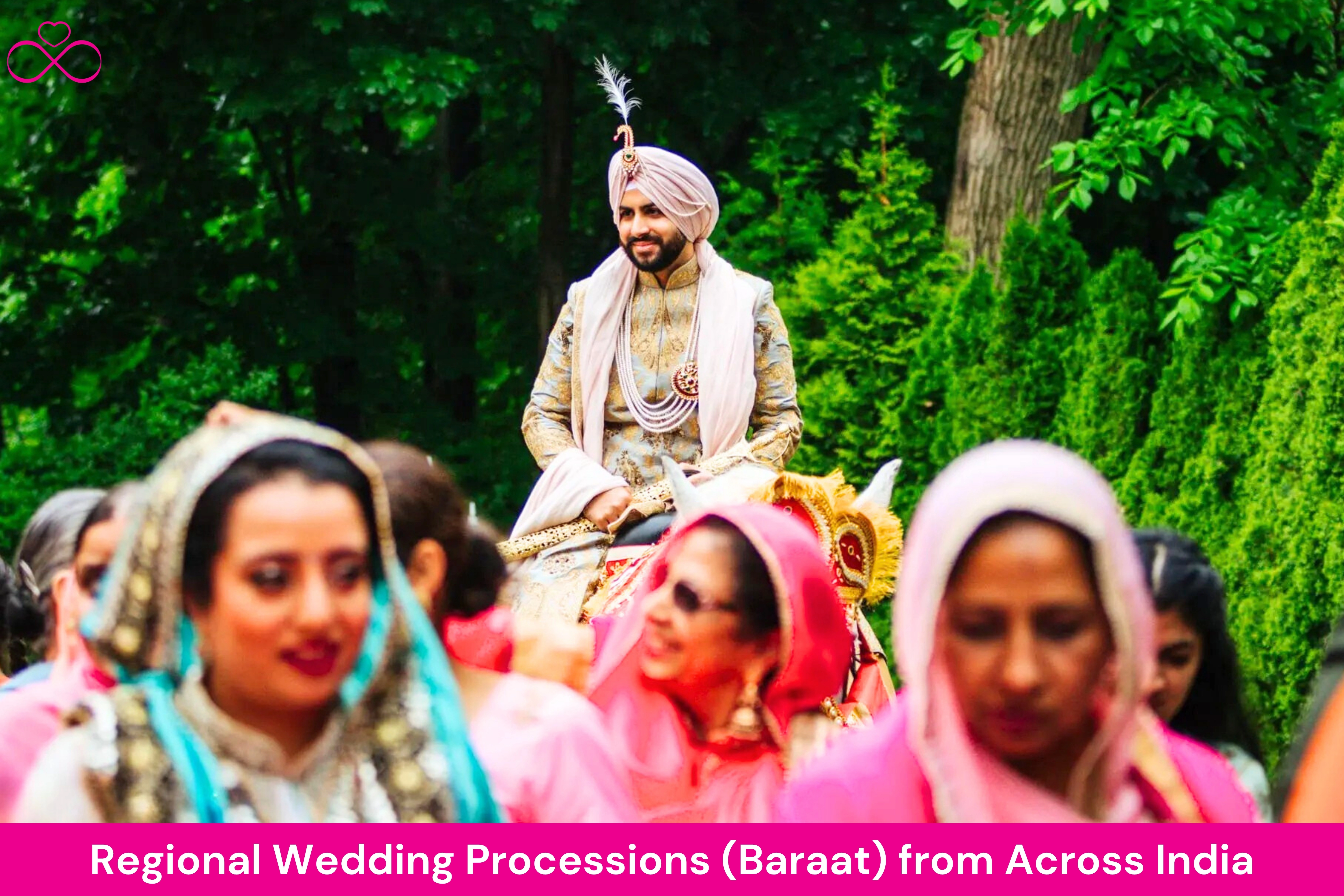
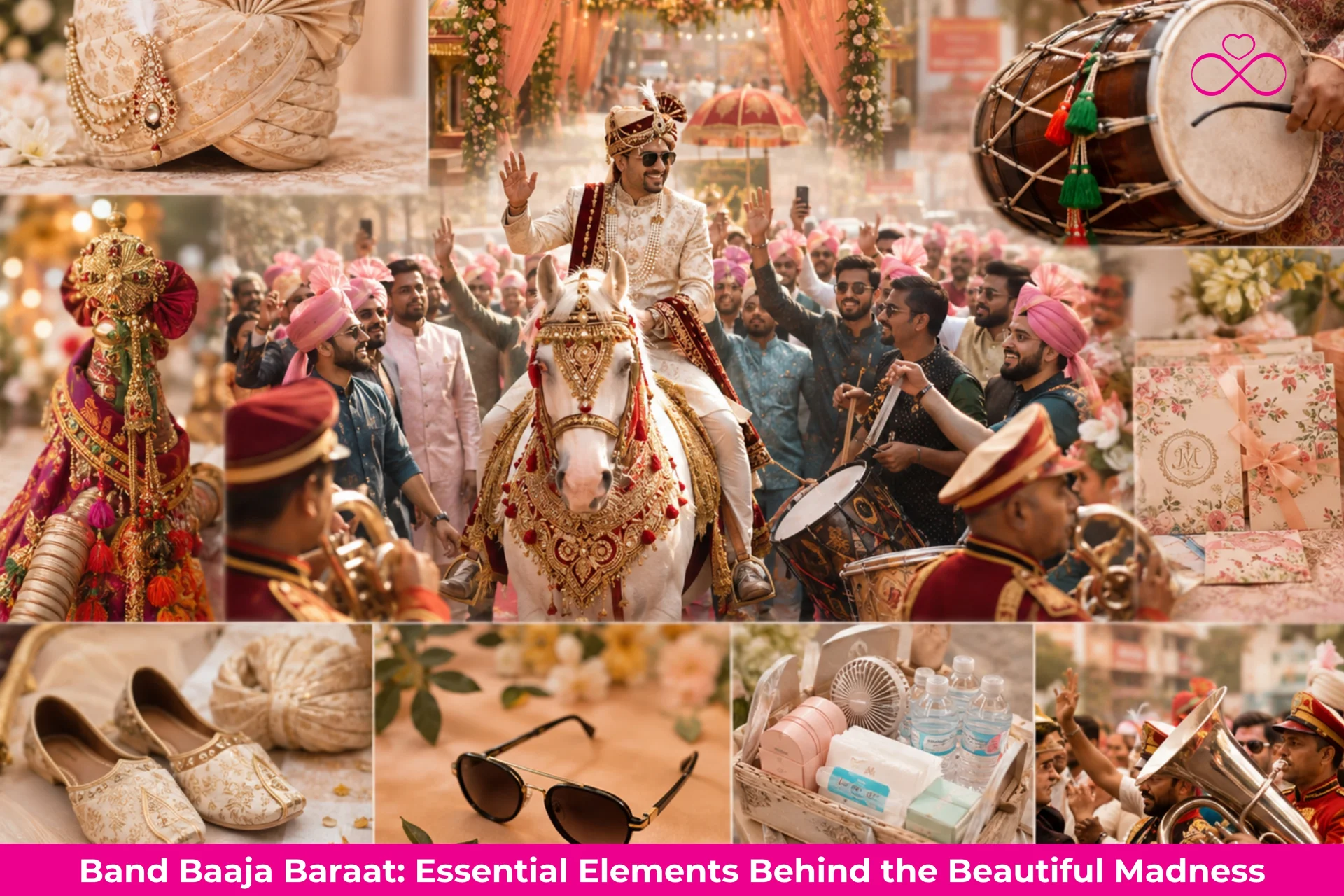
There is a particular kind of chaos that comes with a Baraat - and nobody really minds it. The streets are narrow, the dhol gets louder, an uncle is already dancing before the procession has even moved ten feet, and somewhere at the centre of it all, the groom is trying to hold his Safa straight while sitting on a horse that has its own opinions. Eternal Weddingz has seen hundreds of these moments, and the truth is the same every time - the Baraat works best when someone has quietly done a lot of planning so that it looks like nobody has planned anything at all.
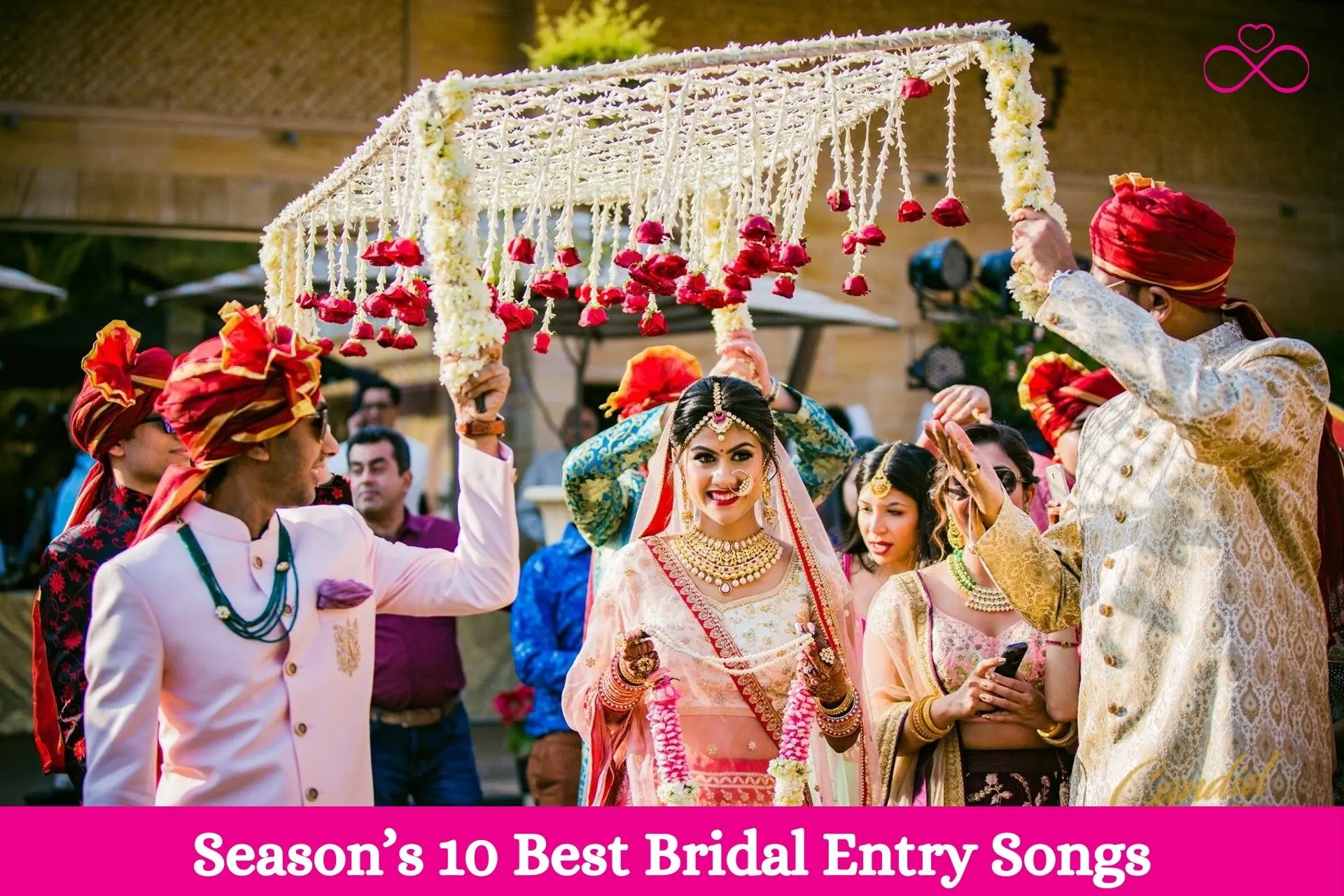
Band Baaja Baraat is not just a wedding procession. It is a full performance - one that involves the groom's attire, his entry vehicle, the music, the dancing guests, the logistics of moving a crowd through streets or hotel corridors, and the moment the bride's family comes forward to receive them. Every one of those pieces needs attention. Leave one out, and it shows.
This guide breaks it down into the parts that actually matter: what the groom wears, how the Baraat is set up musically, what guests need to look coordinated without looking uniform, and the few modern additions that quietly make the whole thing easier to manage. Whether you are planning a Baraat for fifty people or five hundred, the essentials are the same - just scaled differently.
Read through once before you start booking anything. The decisions connect to each other more than they seem to at first.
Groom's Attire & Accessories:
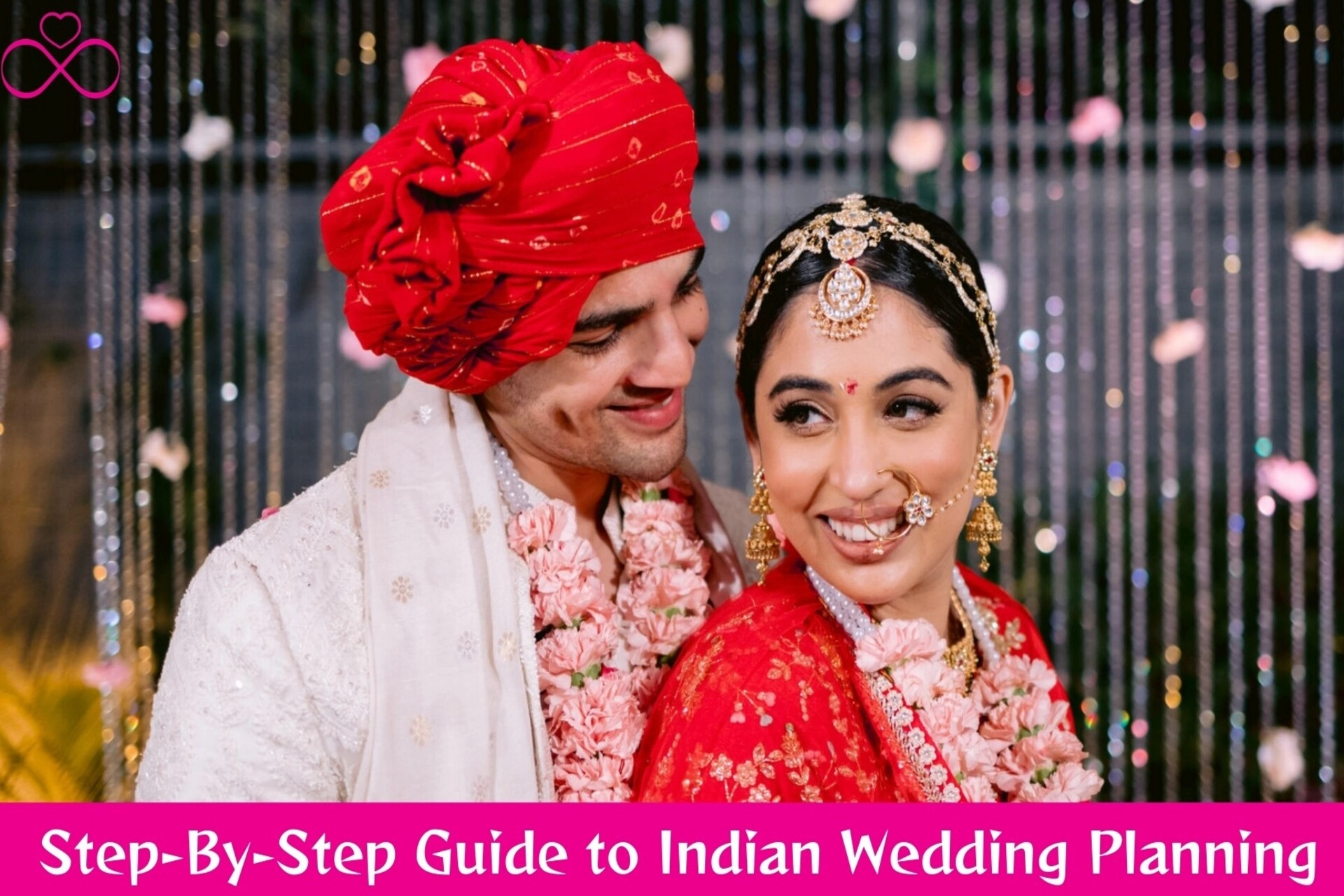
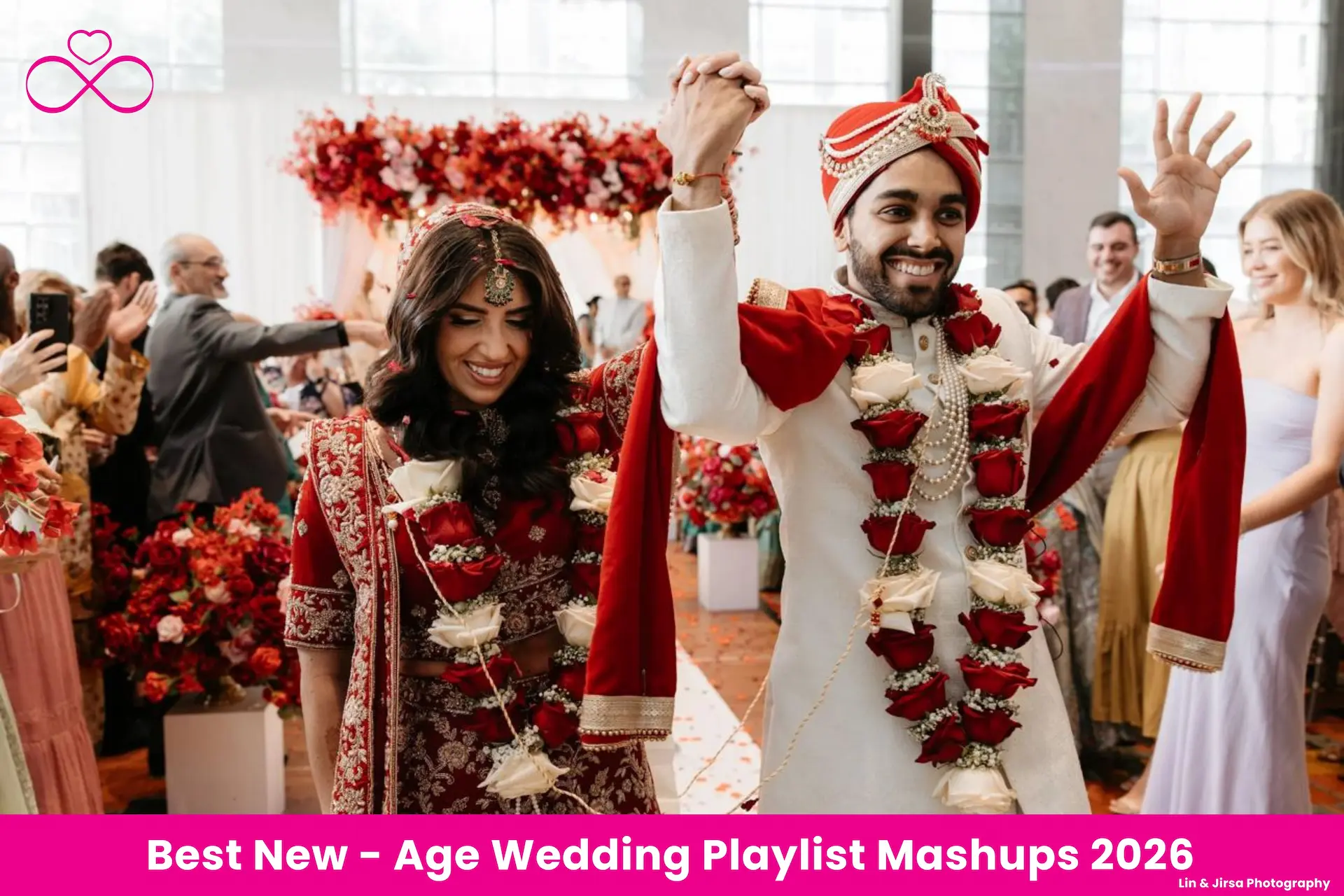
The Sherwani is the easy part - most grooms have that sorted weeks in advance. What trips people up are the accessories. Each one has a job to do, and when they work together, the overall look holds even after two hours of dancing in the sun.
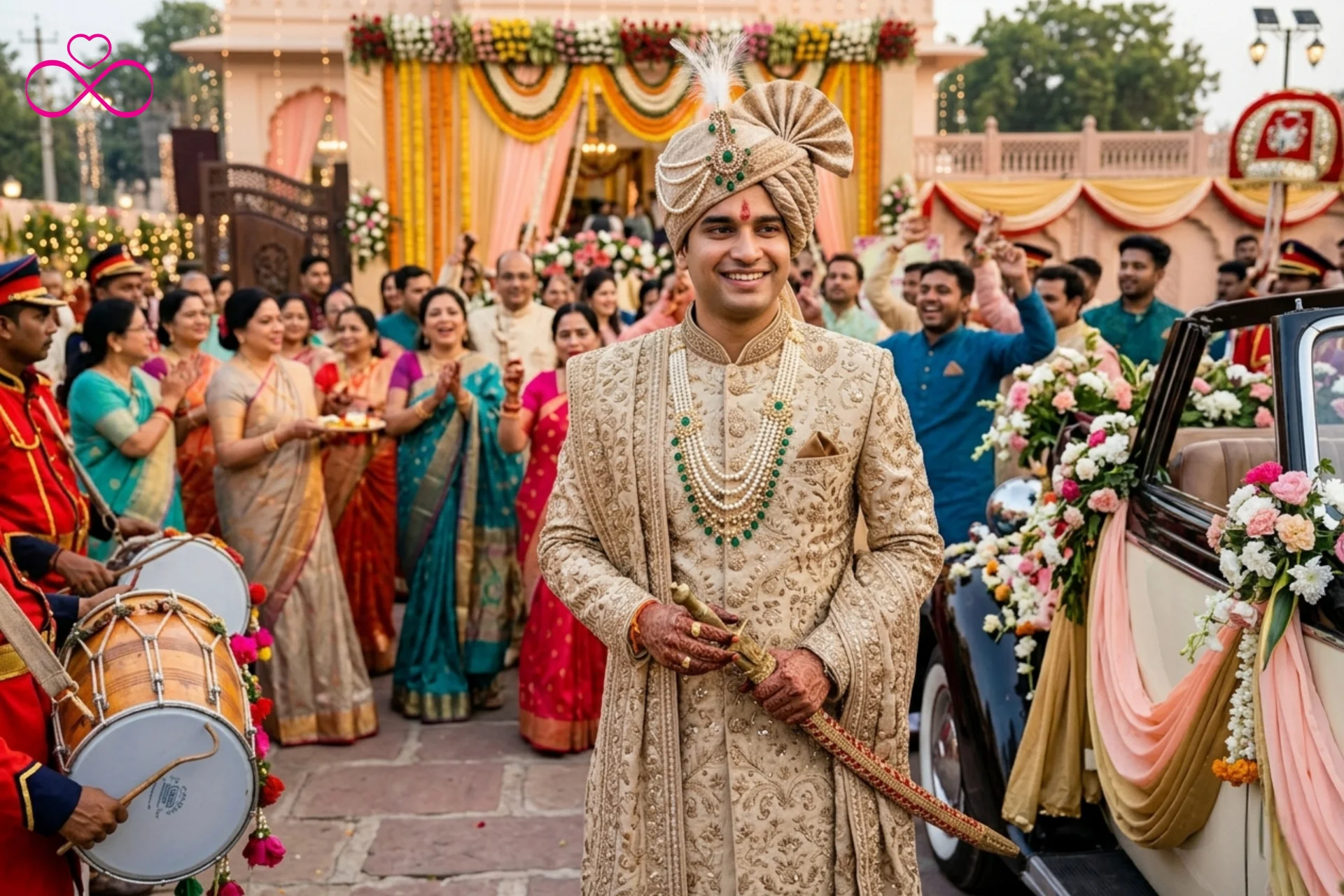
- Attire: A heavy, embroidered Sherwani in gold, cream, or pastel - colours that read well in photographs and hold their own against floral and light backdrops.
- Accessories:
- Safa (turban) - get it tied by someone who does it regularly. A poorly tied Safa droops within the hour.
- Kalgi or brooch - sits on the Safa; pick one that matches the Sherwani metal tones rather than contrasting sharply.
- Mala (necklace) - keep it proportional to the neckline of the Sherwani.
- Stole (dupatta) and pocket square - both add layering without weight; useful for photographs where flat colour reads as dull.
- Traditional sword - common in Rajput weddings; check with your venue beforehand if you are carrying one into a hotel.
- Footwear: Mojaris or Juttis - they look right, but test them for at least an hour before the wedding day. Stiff new leather on cobbled roads during a two-hour Baraat is a specific kind of suffering.
The Groom's Entry:
How the groom arrives sets the tone for the entire procession. The three standard options each have real trade-offs, and the right choice depends on your venue, your route, and, honestly, how comfortable the groom is with animals.
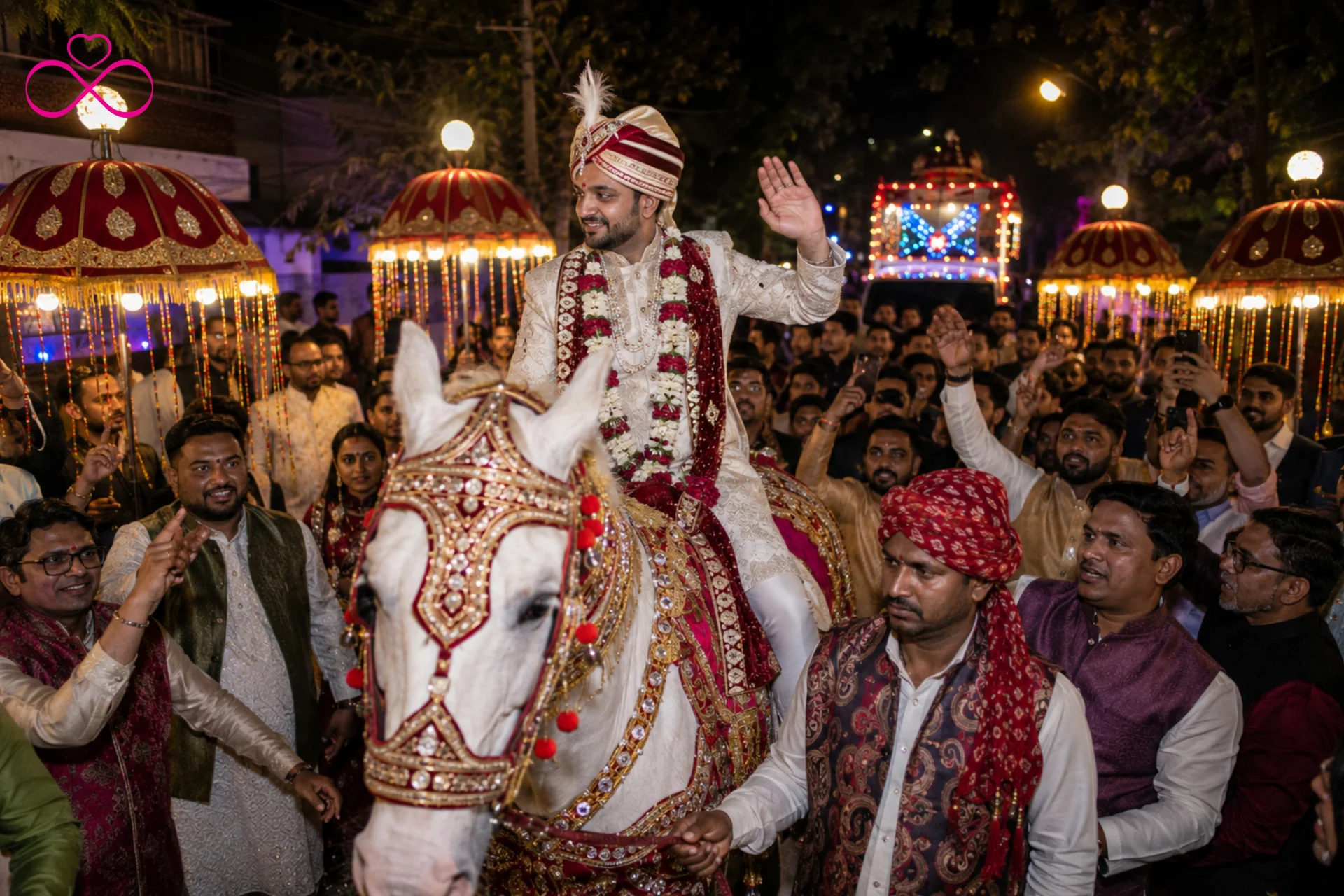
- Decorated Ghori (horse) - the most traditional entry. Photographers love it because it adds height and movement. Just confirm the horse is manageable in crowds - a nervous horse in a narrow lane with dhol players close by is not a good situation.
- Baggi (chariot) - suits longer processions where the groom needs to stay visible for an extended time without fatigue. Slower, more ceremonial.
- Vintage car - works well for venue-only Baraats where there is no street procession. Keeps the formality without the logistical complexity of a live animal.
Baraat Music & Entertainment Setup:
The music is what makes people dance. That sounds obvious, but it is worth saying plainly because a Baraat without proper sound is just a walk.
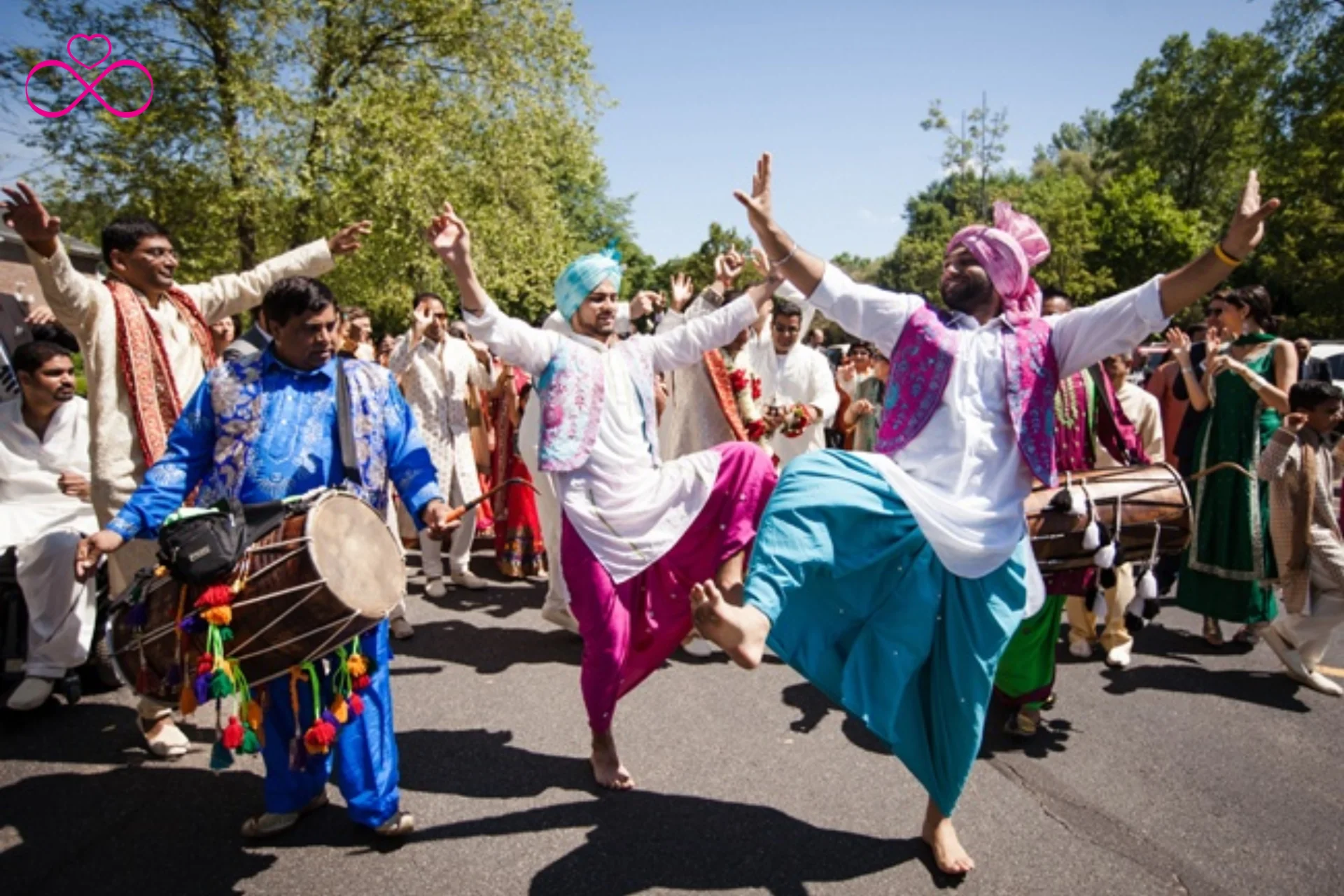
- Punjabi Dhol wallas - the standard choice for good reason. Two dhol players can drive a crowd of two hundred. Make sure they know the groom's family's preferred songs - some families have traditional pieces that go back generations.
- Mobile DJ truck or DJ van - useful for larger Baraats or those covering longer distances. The truck keeps the music consistent even when the crowd spreads out. Coordinate the DJ playlist in advance so the energy does not drop during transitions.
- Band wallas - the choice when someone wants to go for an extensive setup. Generally a team of 11 to 16 Bandwalas are good enough to maintain a Baarat Size of 100 People.
Both can work together - dhol for the front of the procession, DJ van managing the rear. Decide based on your route length and guest count.
Fun Elements & Crowd Props:
Props give guests something to do with their hands when they are not sure whether to dance. They also show up well in photographs and video, which is a practical benefit beyond the fun.
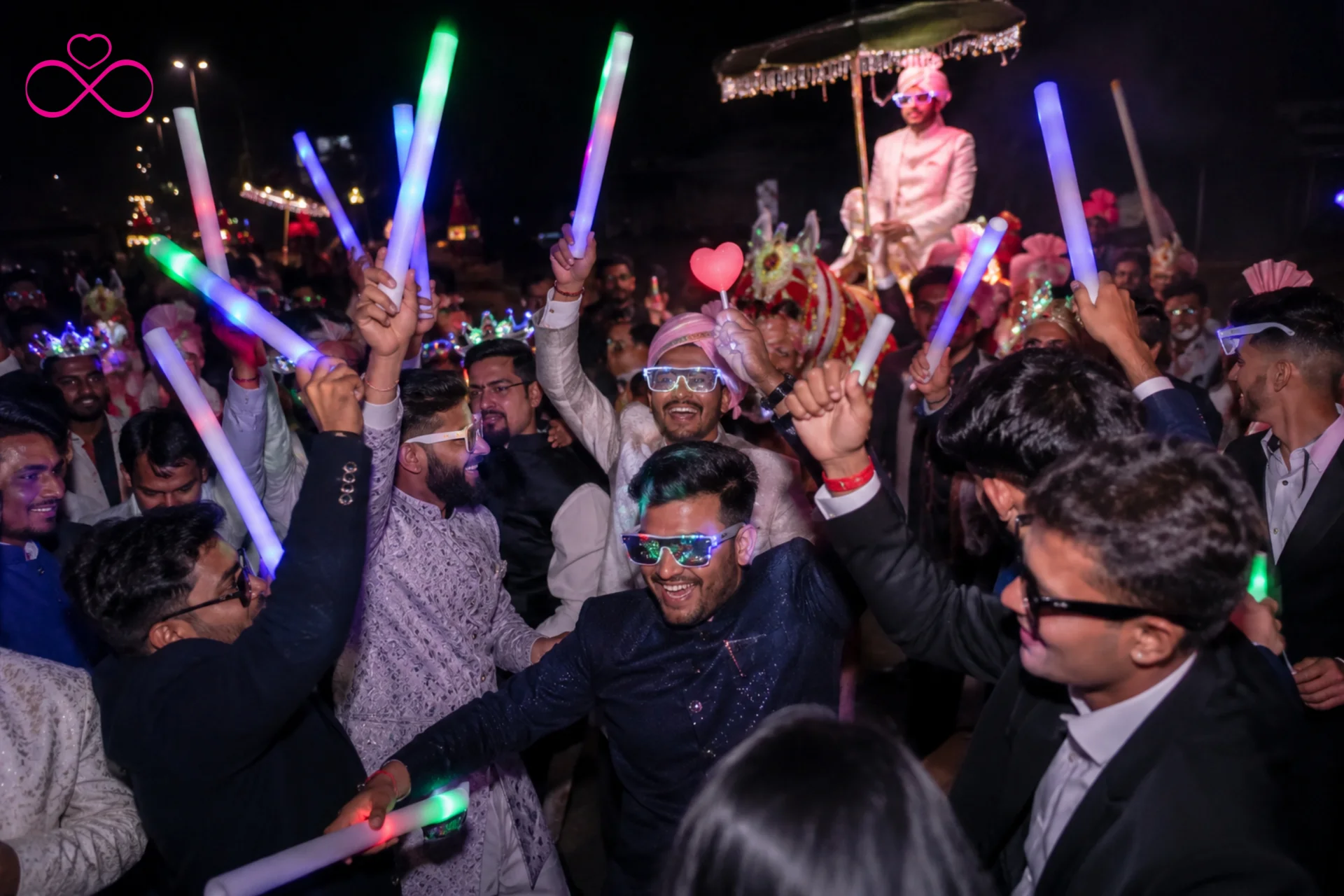
- LED foam sticks and neon bands - especially effective for evening or night Baraats. Distribute these at the start of the procession, not mid-way through.
- LED goggles - more of a statement piece; works well for the close family group near the groom.
- Handheld props - pompoms, fans, or themed signs, depending on the couple's preferences. Keep them lightweight; nobody wants to carry something heavy for an hour.
Comfort Essentials for the Procession:
The things that keep a Baraat from unravelling mid-way are rarely glamorous. Water, shade, sunglasses, snacks. Nobody talks about them until someone faints or the groom's uncle disappears because he found shade behind a bus stop.
- Sunglasses for daytime Baraats - assign someone to hand these out at the start. Squinting in every photograph for two hours is avoidable.
- Water stations - set up at the start point and at the venue entrance. For a Baraat over forty-five minutes in warm weather, one mid-point water stop is worth planning.
- Easy-to-carry snacks - small dry snacks in individual servings, available before the procession begins. Guests who have been fasting or traveling long distances need something before they dance.
Guests & Logistics:
Coordinated guest attire does not mean everyone wears the same colour. It means there is a colour palette, communicated early enough that people can actually follow it.
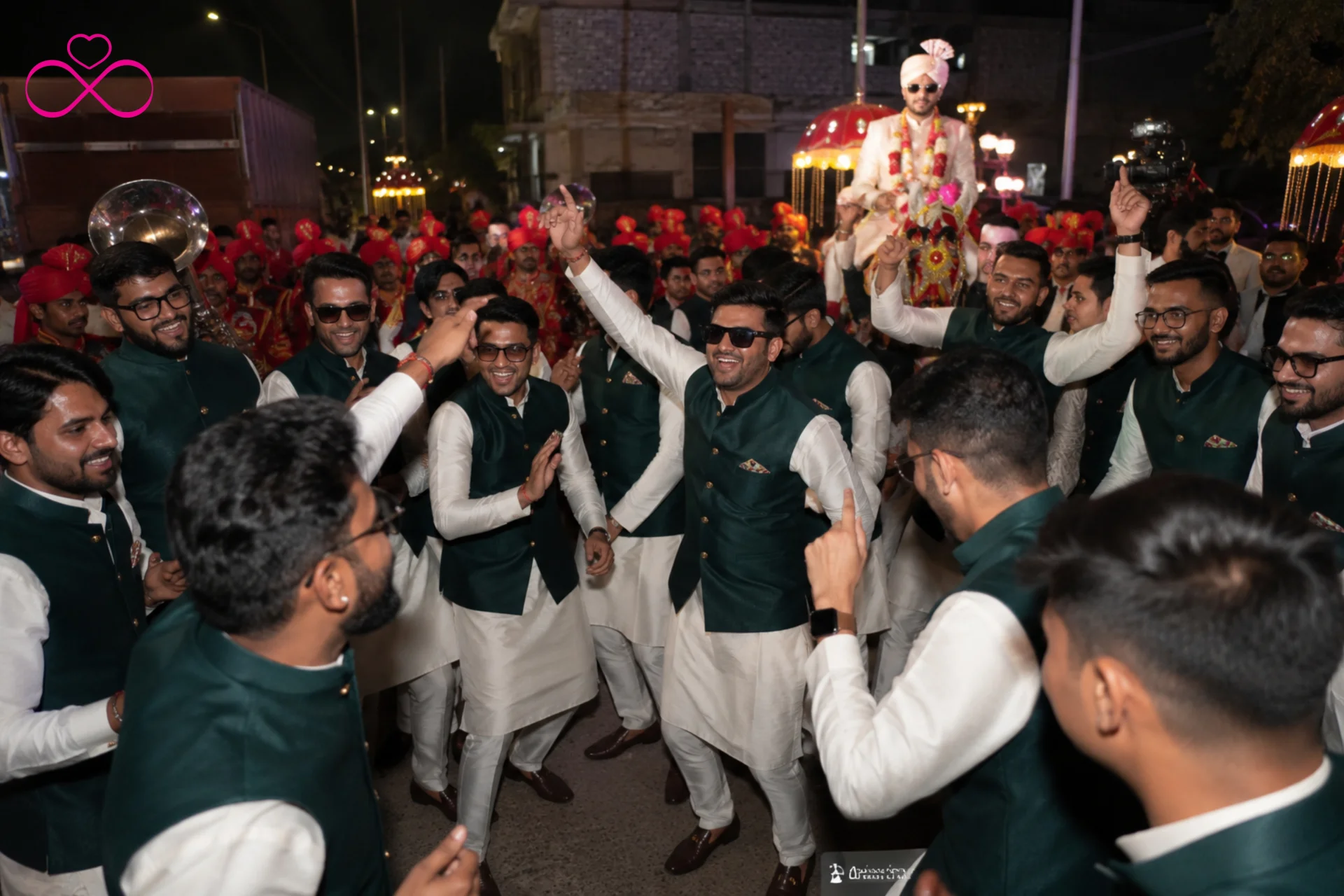
- Men's attire - Kurta Pajama with a Nehru jacket or Bandhgala suit. Share a reference image with the family group chat at least three weeks before the wedding so nobody shows up in Western formals.
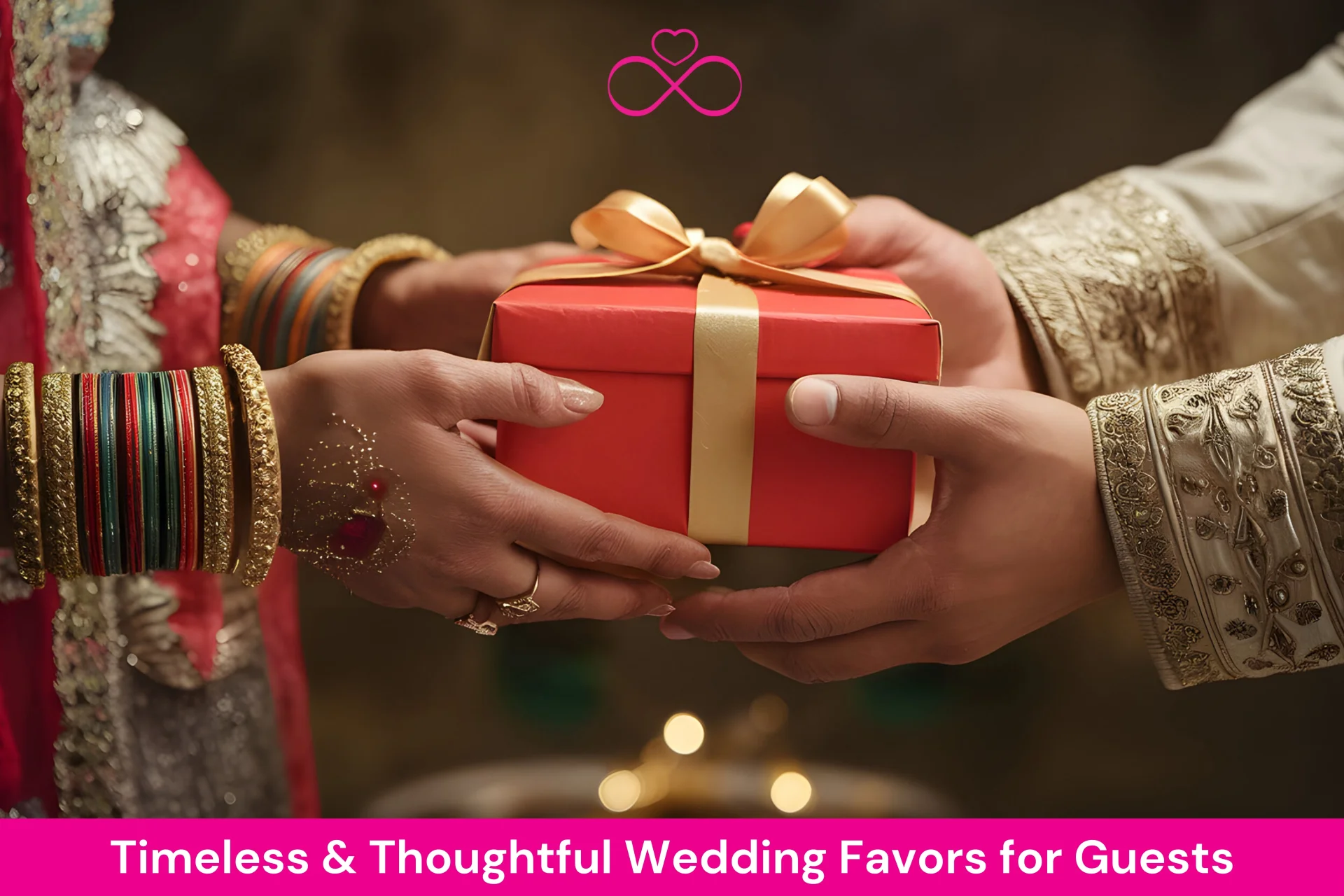
- Return gifts (Potli bags, hair accessories, bangles) - these go to the bride's side guests as a small token when the Baraat arrives. Keep them packed and ready to hand out quickly so the welcome ceremony is not delayed while someone hunts for the gift boxes.
The Welcome at the Venue:
The Baraat ends when the bride's family steps forward. This moment - the Milni and the Aarti - is quieter than everything that came before it, and it needs a few things in place.
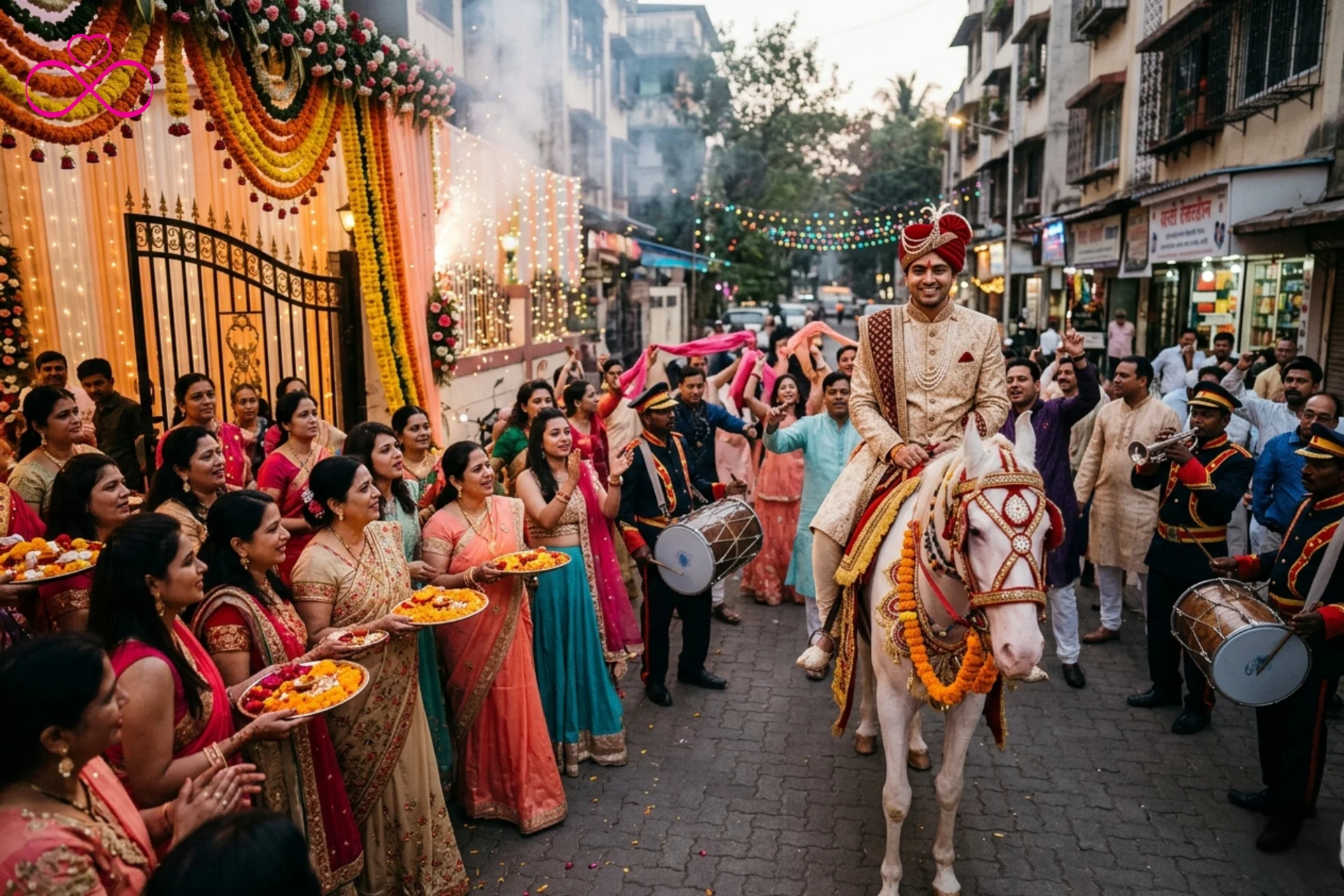
- Aarti thali - prepared by the bride's mother or senior women of the family. Include a diya, kumkum, rice, and flowers. Assign someone to light the diya at the right moment so it does not go out before the groom arrives.
- Floral arrangements at the entry - the garland exchange (Jaimala) typically happens here or shortly after. Have a designated spot that is away from the crowd noise so the moment is audible and photographable.
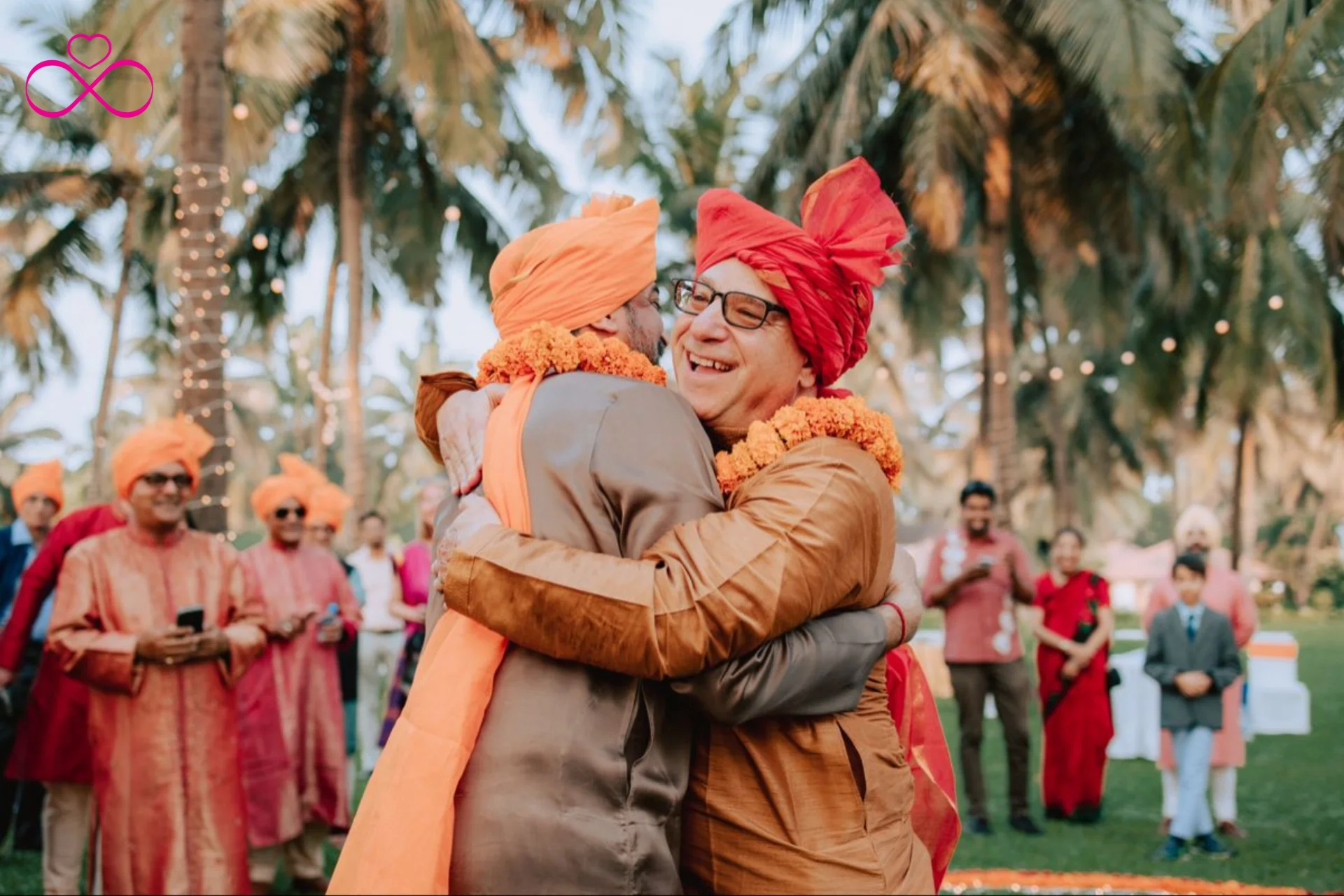
- Milni - A traditional ceremony commonly observed in Punjabi families, wherein representatives from both the bride’s and groom’s families exchange ceremonial “haars” crafted with decorative artificial motifs as a gesture of welcome, respect, and familial bonding.
Modern Additions Worth Considering:
A few practical upgrades have become common at well-run Baraats - not because they are trendy, but because they solve real problems.
- Wireless earbuds for coordinating teams - the person managing the horse, the person cuing the DJ, the person at the venue entrance, and the wedding coordinator all need to be able to talk to each other without shouting over the dhol. A basic wireless earpiece setup solves this cleanly. Products like the boAt Airdopes work; so does any reliable wireless in-ear option with stable connectivity.
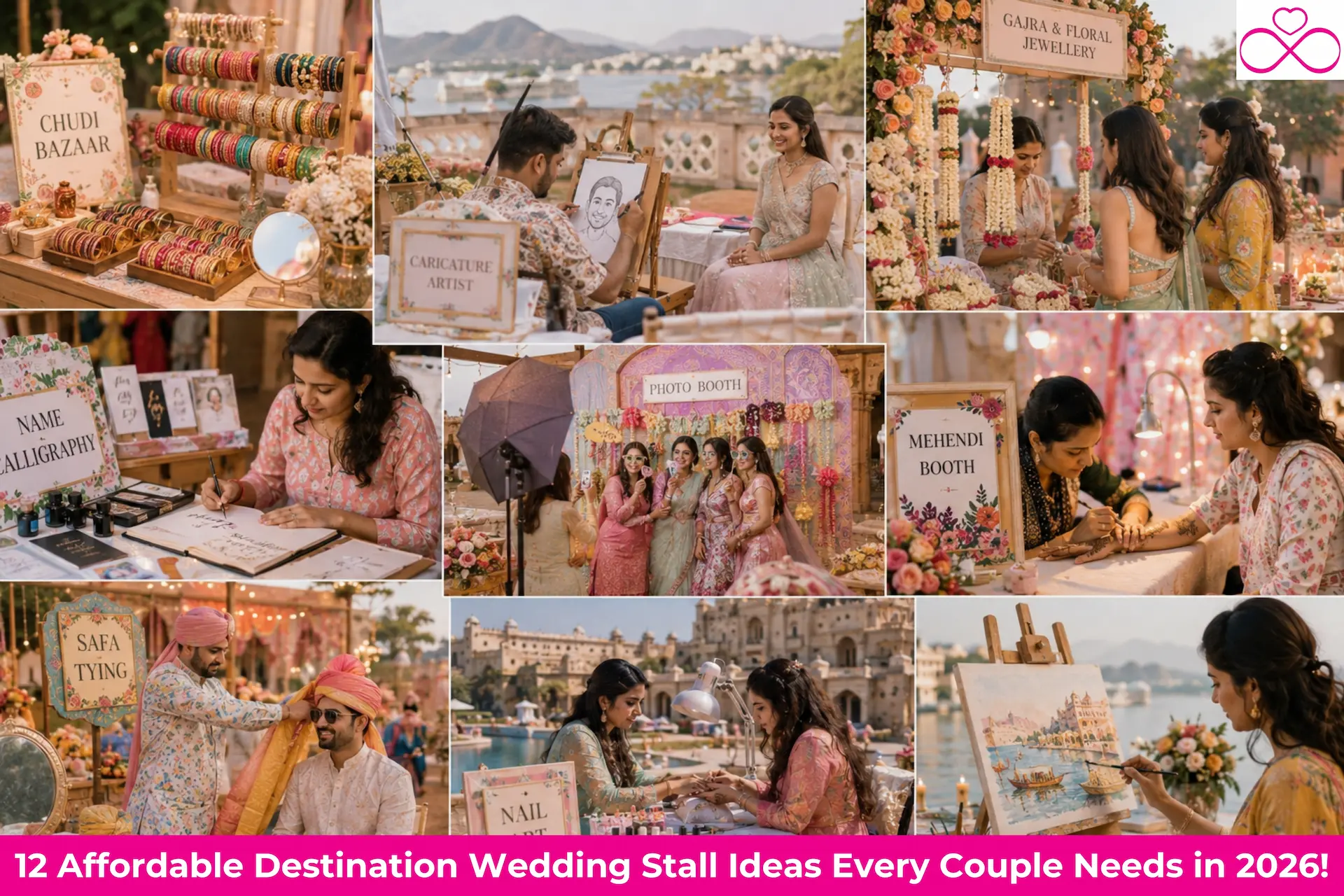
- Photo booth at the procession route - a simple backdrop and a photographer stationed at a fixed point let guests get photographs without stopping the procession. The booth works as a natural pause point for people who want a moment to rest and pose.
- Professional videographer for the procession - distinct from the main wedding videographer who covers the ceremony. A dedicated Baraat videographer focuses purely on the procession: the dancing, the entry, the arrival, the welcome. The two hours of the Baraat deserve their own coverage.
If you want help pulling all of this together - from attire coordination to Baraat logistics - the team at Eternal Weddingz can take the planning off your hands and make sure nothing falls through the gaps on the day.