








Maharashtra Bans Artificial Flowers at Weddings – What Couples Must Know in 2026!
Introduction:
If you are currently planning a wedding in Maharashtra — or shortlisting banquet halls in Mumbai, Pune, or Nagpur — there is something more pressing than your floral colour palette to sort out first. The Maharashtra government has significantly tightened enforcement of its existing ban on non-biodegradable plastic flowers, and from 2026 onwards, decorators, venue operators, and event planners who use or permit plastic floral décor at weddings and other events are directly in the line of fire. This is not a future proposal. Eternal Weddingz is covering it because the rules are already in motion — and the couples who figure this out now will have far fewer headaches closer to their wedding date.
In February and March 2026, Chief Minister Devendra Fadnavis confirmed in the Maharashtra Legislative Assembly that a fresh Government Resolution would be issued specifically targeting banquet halls, marriage halls, and decorators who continue to use plastic flowers. Municipal corporations across the state have been given direct authority to inspect premises and issue formal notices. Between April 2025 and January 2026 alone, authorities inspected over 1.24 lakh establishments, penalised 3,390 violators, collected approximately Rs 1.55 crore in fines, and seized over 67 tonnes of single-use plastic. The scale of enforcement is real, and it is growing.
[Source: The Hindu — Maharashtra government to issue ban on use of plastic flowers]
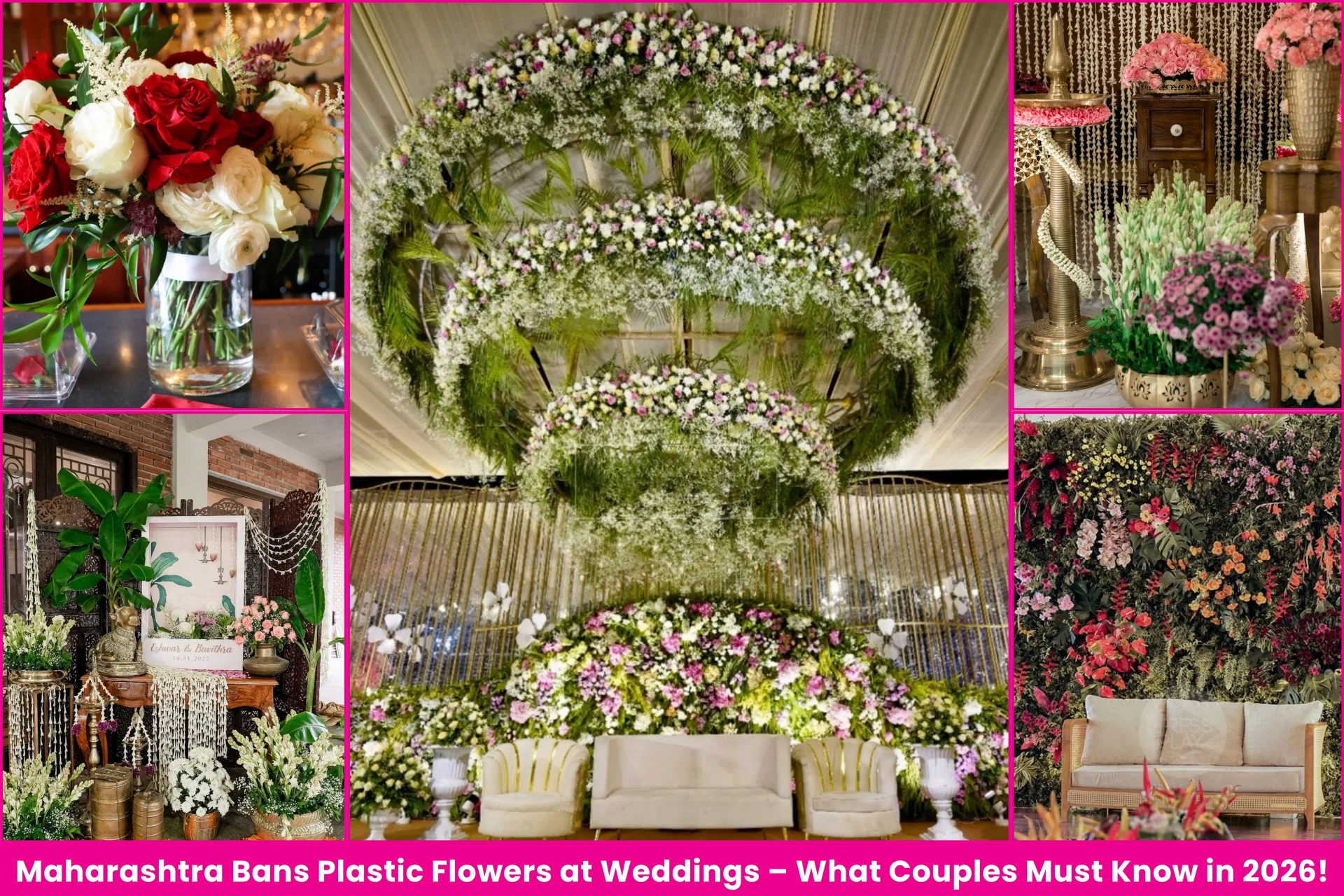
The good news — if you choose to look at it that way — is that this crackdown actually gives couples a genuine reason to push back on plastic décor that was never particularly attractive to begin with. Fresh flowers smell better, photograph warmer, and do not end up in a landfill after your baraat. This guide, put together by Eternal Weddingz, breaks down everything you need to know: what the law actually says, what it means for your wedding planning, and how to work with your decorator and venue to stay compliant without blowing your floral budget.
1. What Maharashtra's Plastic Flower Ban Actually Says? 🏛️
Maharashtra's ban on plastic and thermocol used for decoration has technically been on the books since the Maharashtra Plastic and Thermocol Ban Notification, 2018. What changed in early 2026 is both the scope and the seriousness of enforcement. The state government announced a fresh Government Resolution specifically designed to close loopholes — the kind that allowed banquet halls to keep ordering plastic floral centerpieces under the argument that "decoration" was a grey area. It is no longer grey.
[Source: The Hindu — Maharashtra government to issue ban on use of plastic flowers]
On top of that, in July 2025, the state announced a statewide ban on the use, sale, and distribution of artificial non-biodegradable flowers — a separate but related layer of regulation. The Maharashtra Pollution Control Board had also issued a circular in August 2025 advising against artificial flowers at festivals. What we are seeing in 2026 is the enforcement machinery catching up to what was already law — and it is doing so with inspection drives, fines, and the threat of prosecution.
[Source: Curly Tales — Are Plastic Flowers Banned in Maharashtra? Here's What You Must Know]
What the Rules Cover:
- Production and sale: Making or selling non-biodegradable plastic flowers is banned statewide under the existing and forthcoming GR.
- Use in decoration: Decorators using plastic flowers for event ornamentation — including weddings, engagements, and corporate events — are explicitly named in the new framework.
- Banquet and marriage halls: Venues that permit plastic floral décor on their premises can be served formal notices and face fines independently of the decorator.
- Festival and event venues: The enforcement drive is specifically targeting festivals, weddings, and similar large gatherings where plastic flowers are most heavily used.
- Seizures: Authorities have already seized over 67.54 metric tonnes of single-use plastic between April 2025 and January 2026 across the state.
2. Who Gets Penalised — Venue, Decorator, or Couple? ⚠️
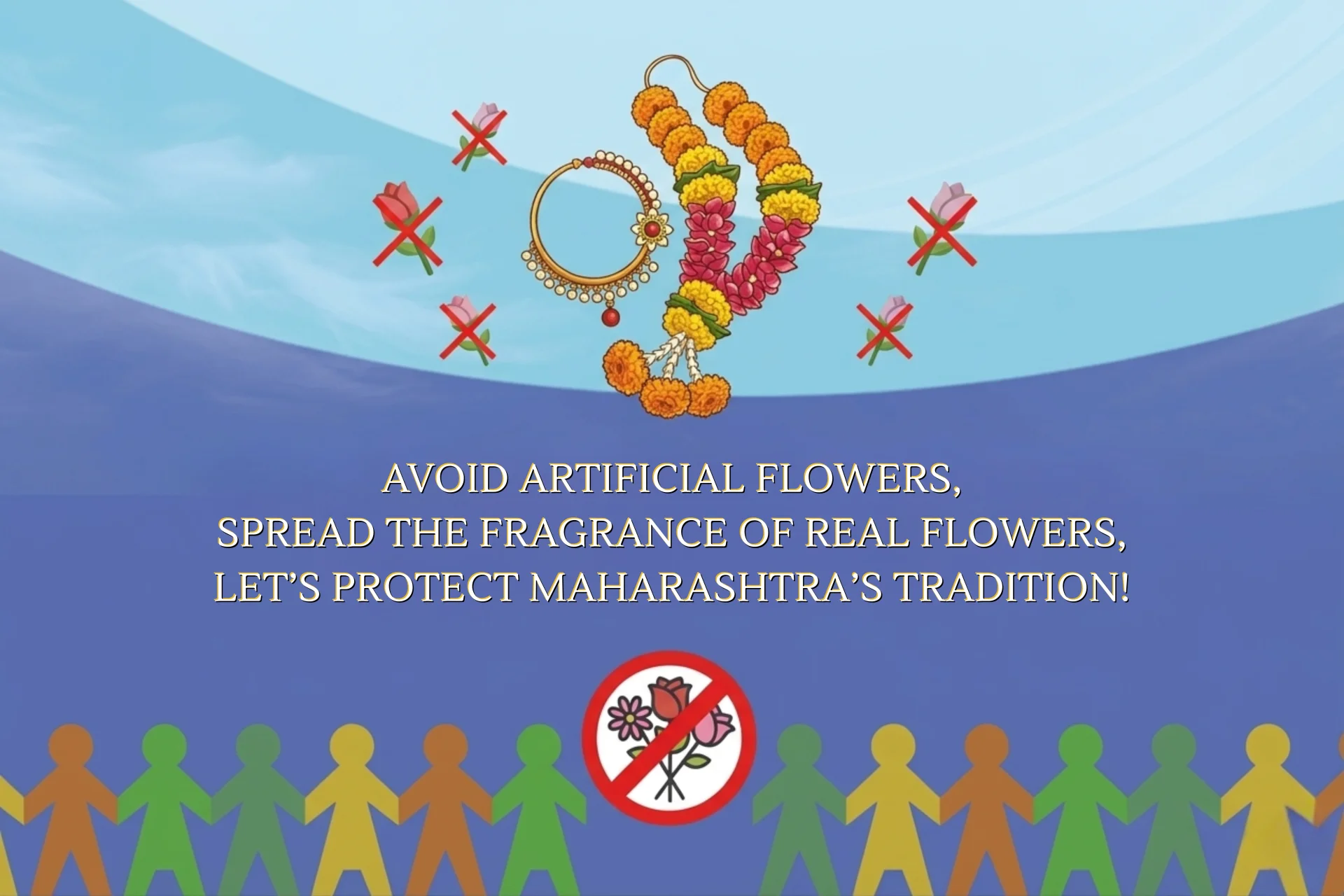
This is probably the question couples are most anxious about, and the honest answer is: potentially all three, but not equally. The new Government Resolution is designed to go after the supply chain — the decorators sourcing plastic flowers and the venues that book them without asking questions. That said, "the couple didn't know" is not a legal defence if the event is on your booking and the plastic flowers are at your reception mandap.
Municipal corporation inspectors have authority to visit banquet halls and event spaces during active events, not just during routine checks. If an inspector walks into your wedding venue during your sangeet and finds plastic floral installations, it is the venue operator and decorator who will receive formal notices — but the disruption to your evening is yours to deal with. The practical implication is that couples need to build a simple line of accountability into their contracts before signing.
[Source: ProKerala — Civic bodies to get powers to act against plastic flower markets: CM Fadnavis]
Who Bears What Risk:
- Banquet halls and venues: Directly liable for permitting plastic floral décor on their premises. They can receive notices, fines, and face prosecution under the new GR — even if the decorator was an external hire.
- Decorators and event companies: Explicitly named in the state's notification as entities who will be penalised for using plastic flowers in ornamentation. Fines and formal notices are confirmed as consequences.
- Couples: Not the primary enforcement target, but liable for reputational and logistical fallout if an inspection disrupts their event. A written clause in contracts shifting compliance responsibility to the decorator and venue is strongly advisable.
- Market sellers: Municipal bodies have been authorised to act against markets selling plastic flowers — so sourcing is becoming harder for decorators regardless.
3. Which Flowers and Décor Items Are Banned? 🌺
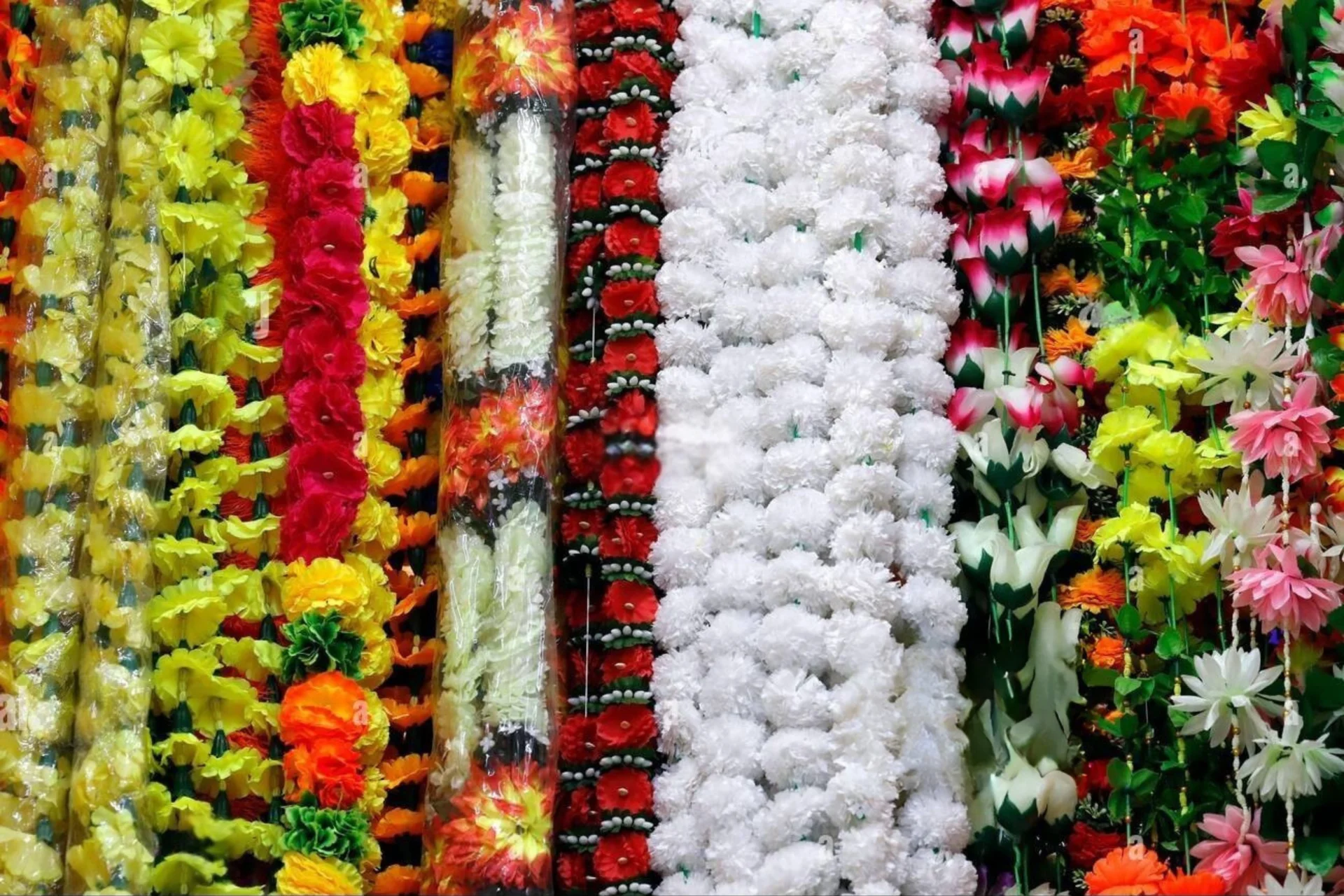
The ban focuses specifically on non-biodegradable plastic flowers — the kind made from synthetic polymers that do not break down and contribute to plastic waste. This category covers the bulk of what was commonly sold in wholesale markets and used in high-volume wedding decoration: plastic rose garlands, synthetic marigold strings, acrylic floral centrepieces, polyester fabric flowers on arches, and decorative foliage made from PVC.
There is some nuance worth noting. Fabric flowers made from natural textiles — cotton, silk, jute, or recycled sari fabric — are not plastic and would likely fall outside the ban's scope. Similarly, dried flowers, preserved botanicals, and leaf-based décor are biodegradable and generally compliant. If your decorator proposes "fabric flowers" as an alternative, it is worth asking specifically what the fabric is made from, because "silk" flowers in the Indian market are frequently polyester, which is plastic.
[Source: Thursd — Bombay High Court Challenges Plastic Flowers Ban in Maharashtra]
Likely Banned vs. Likely Compliant:
- Plastic rose garlands and marigold strings: Banned. These are the highest-volume offenders and most visible in market drives.
- Acrylic or PVC floral centerpieces: Banned. Often used at reception tables as "easy to store" options — they are now a liability.
- Polyester fabric flowers (sold as "silk"): Almost certainly banned, as polyester is a petroleum-derived plastic. Always ask for material sourcing documentation.
- Dried flowers and preserved blooms: Compliant — no plastic component, biodegradable, and increasingly popular in luxury wedding circles.
- Natural fabric flowers (cotton, jute, genuine silk): Likely compliant, but verify with your decorator that the source is certified natural fibre.
- Thermocol props in décor: Separately banned since 2018 under the original notification — if your decorator still uses thermocol backdrops, that is a different but equally real problem.
4. Fresh Flower Alternatives That Actually Work for Indian Weddings 🌼
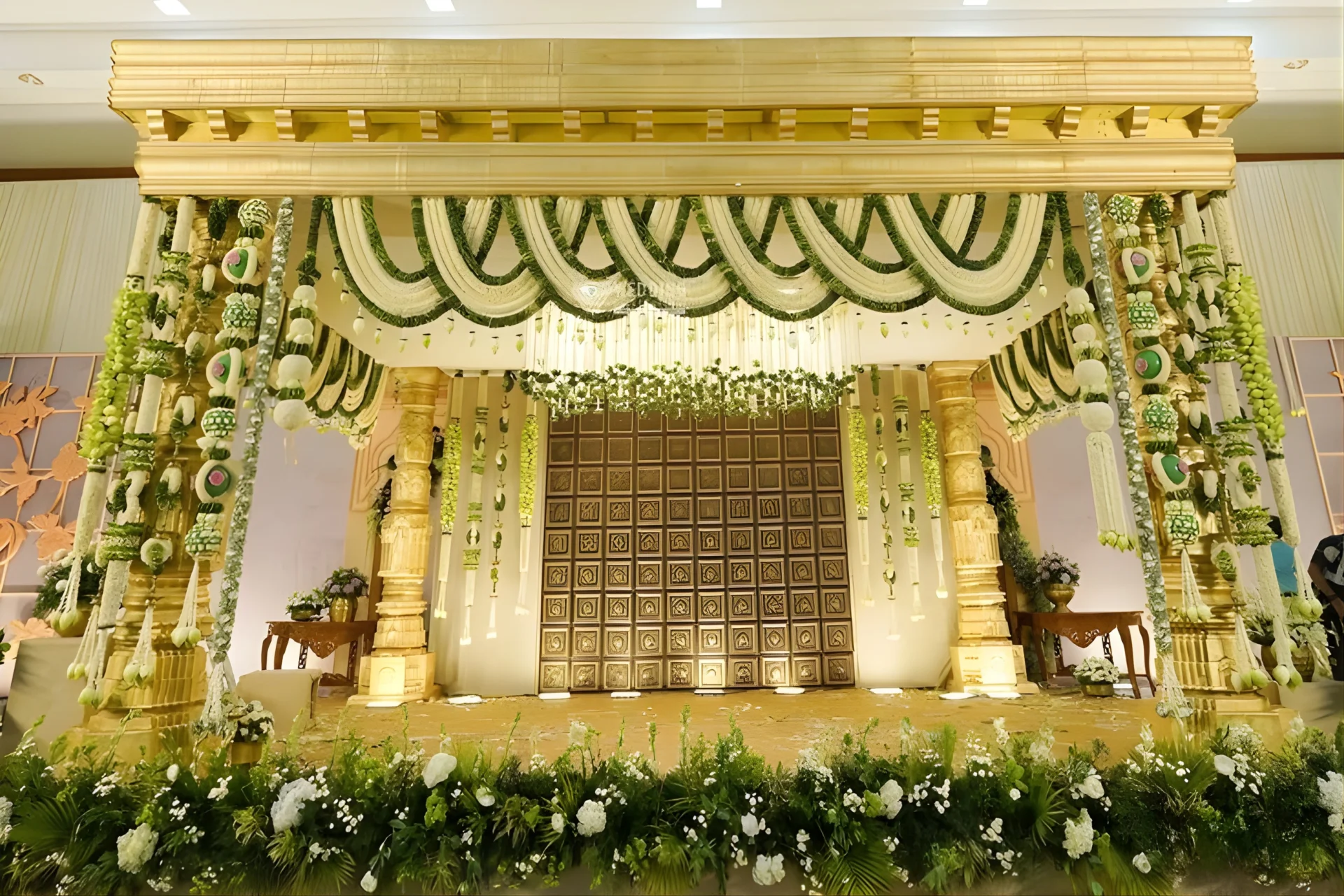
One reason plastic flowers became popular at weddings — particularly at the lower and mid-range budget tiers — was the argument that they are reusable, temperature-resistant, and available year-round without seasonal pricing spikes. These are real considerations, not just excuses. But couples who have planned their weddings with fresh flowers will tell you something the plastic lobby never mentions: fresh florals are fundamentally different in photographs, in fragrance, and in the texture of the space.
Working with fresh flowers in Maharashtra does require slightly more logistics — sourcing from local wholesale markets, coordinating delivery timelines with your decorator, and sometimes adjusting flower choices based on season. But this is exactly where an experienced wedding planner earns their fee. It is also an opportunity to think about décor differently: not every element needs to be a flower arrangement. Foliage-heavy designs, locally sourced leaves, terracotta, wood, and woven elements all reduce flower volume while keeping the look cohesive.
Alternatives Worth Considering:
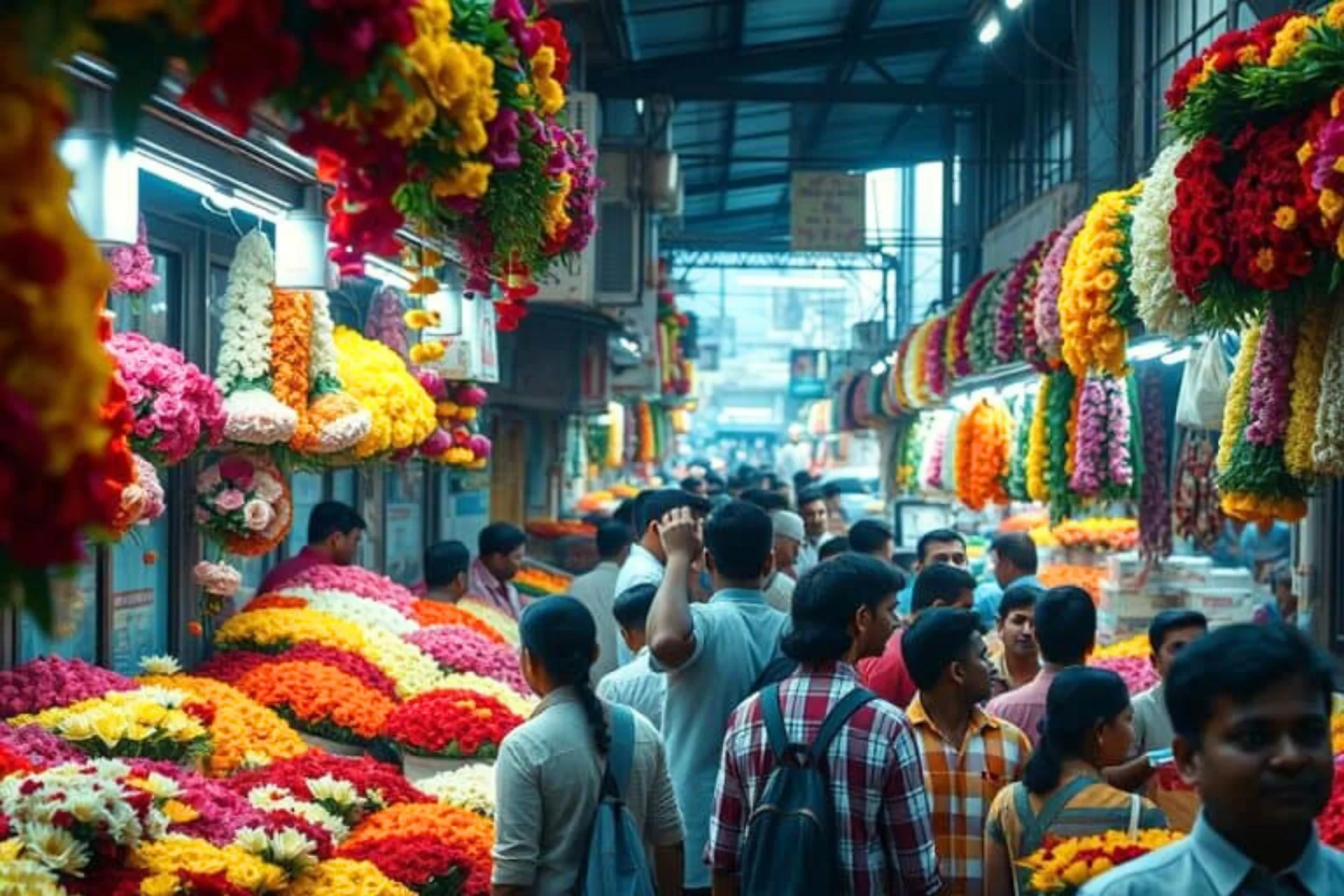
- Fresh marigold and rose: The backbone of Indian wedding florals for a reason — high visual impact, widely available in Maharashtra, and cost-effective when bought in bulk through local mandis in Dadar or Pune's Mandai market.
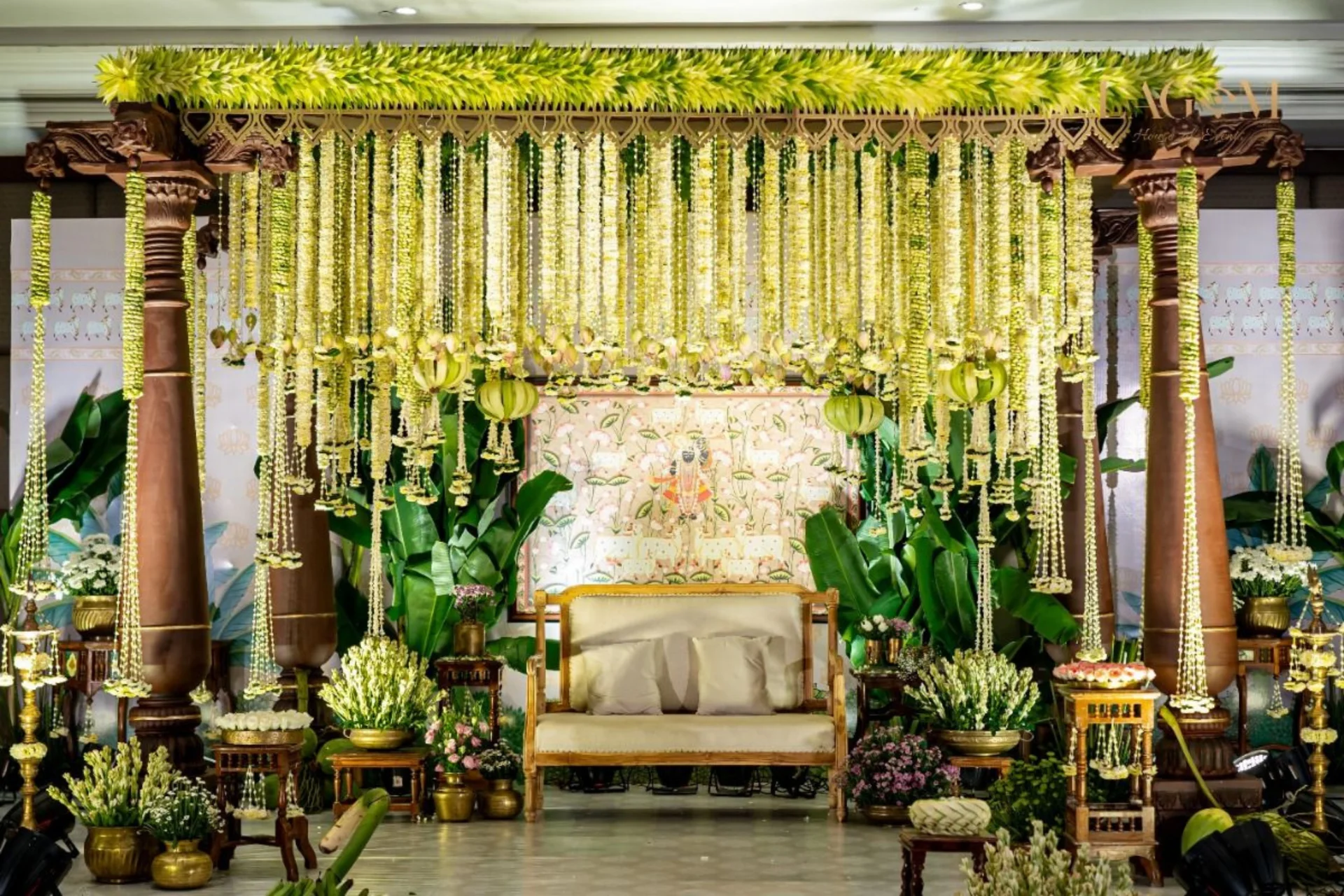
- Seasonal and regional flowers: Jasmine, tuberose, chrysanthemum, and lotus are all readily available in Maharashtra and photograph exceptionally well. Using what is in season keeps costs rational.
- Dried and preserved flowers: Pampas grass, dried protea, preserved eucalyptus, and everlasting flowers (strawflowers, statice) are entirely compliant, add texture, and hold up through multi-day wedding functions.
- Botanical leaf installations: Banana leaf backdrops, betel leaf curtains, and mango leaf torans are traditional, biodegradable, and deeply rooted in Indian wedding aesthetics — they also cost significantly less than large fresh flower walls.
- Paper flower installations: Handcrafted paper flowers using recycled or FSC-certified paper are biodegradable, visually impactful, and now offered by several artisan decorator studios in Mumbai and Pune.
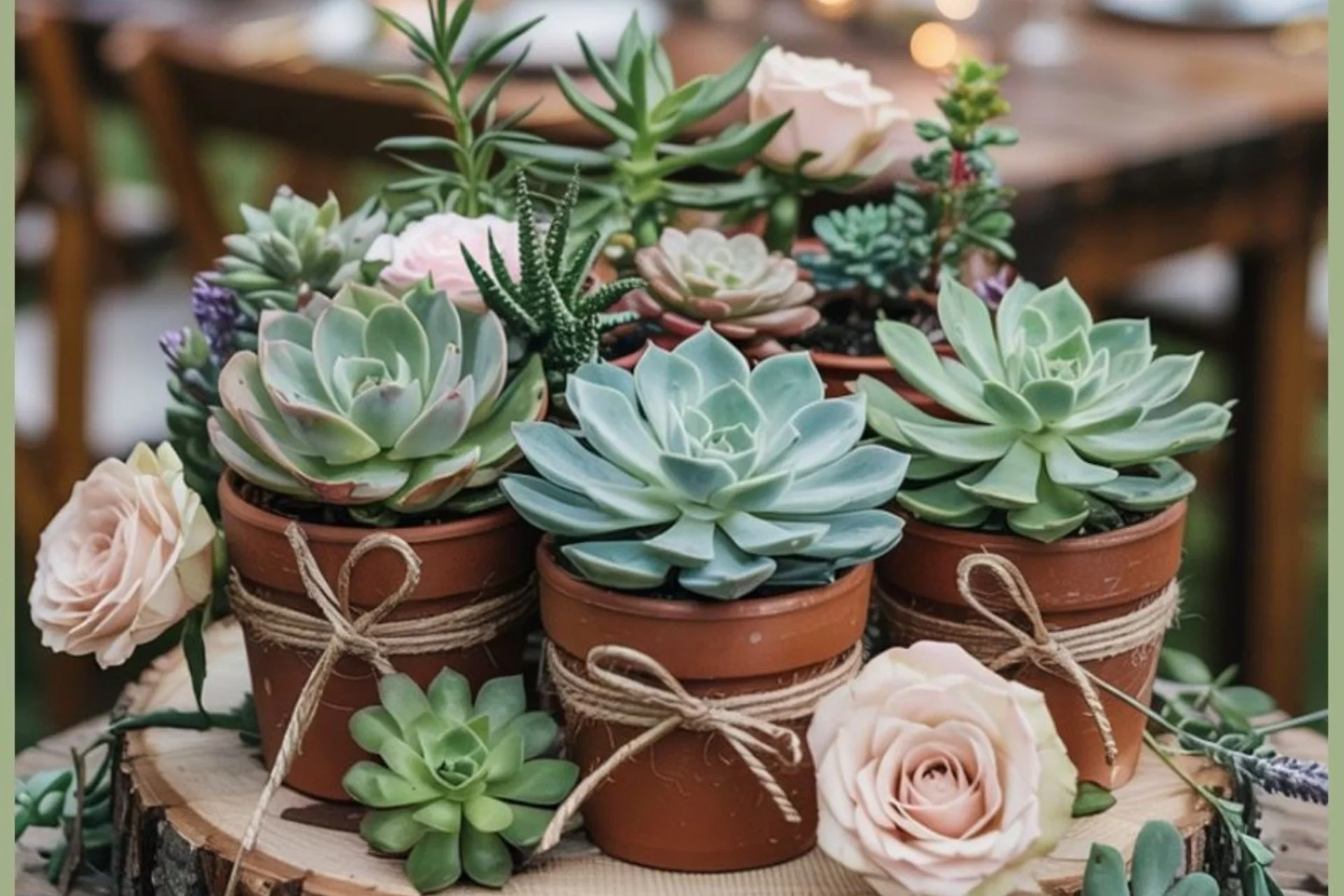
- Potted plants as centerpieces: Increasingly used at destination weddings — small potted herbs, succulents, or flowering plants double as guest take-home gifts and require no disposal logistics.
5. Questions to Ask Your Decorator Before You Sign Anything 🗣️
Most couples select a decorator based on portfolio photographs and pricing sheets, then hand over creative control. That approach works fine when the only risk is aesthetic disagreement. It does not work when there is active government enforcement that can result in notices being served at your venue during your own wedding. The dynamic has changed, and the conversation with your decorator needs to change with it.
This is not about being difficult or distrustful — it is about covering yourself. Good decorators in Maharashtra are already adapting their sourcing, partly because their own suppliers are under pressure and partly because they understand the compliance risk is now theirs to carry. The ones who push back or get defensive when you ask these questions are telling you something useful about how they operate.
Questions That Matter:
- "What percentage of your current décor uses synthetic or plastic flowers?" — A straight question that gets you a useful baseline. If the answer is "most of it," that is a conversation to have now, not a week before the event.
- "Can you provide a written list of materials for each décor element?" — Not a standard ask yet in the industry, but it will become one. Any decorator who refuses has a reason to refuse.
- "How are you sourcing fresh flowers for my event, and what is your backup if a specific variety is unavailable?" — Fresh flower supply can be disrupted by weather and transport delays. A decorator with no contingency plan is a problem.
- "Which of my décor elements contain fabric flowers, and what are those fabrics made from?" — Polyester fabric flowers are plastic. This question catches the most common workaround.
- "Will you include a compliance clause in the contract stating that all décor is free of non-biodegradable plastic flowers per Maharashtra regulations?" — The answer tells you everything about how seriously they take the issue.
- "Has your vendor or the venue received any notices under the plastic ban?" — Worth asking. A venue that has already received one notice is at higher risk of a follow-up inspection.
6. Will This Make Your Wedding More Expensive? 💰
Probably, yes — but less than you might fear, and not uniformly. The price difference between plastic and fresh flowers varies enormously based on which flowers you are comparing. A string of plastic marigolds that costs a fraction of the real thing sounds like a bargain, but marigolds in Maharashtra are actually among the most affordable fresh flowers available. The cost gap closes considerably when you make like-for-like comparisons.
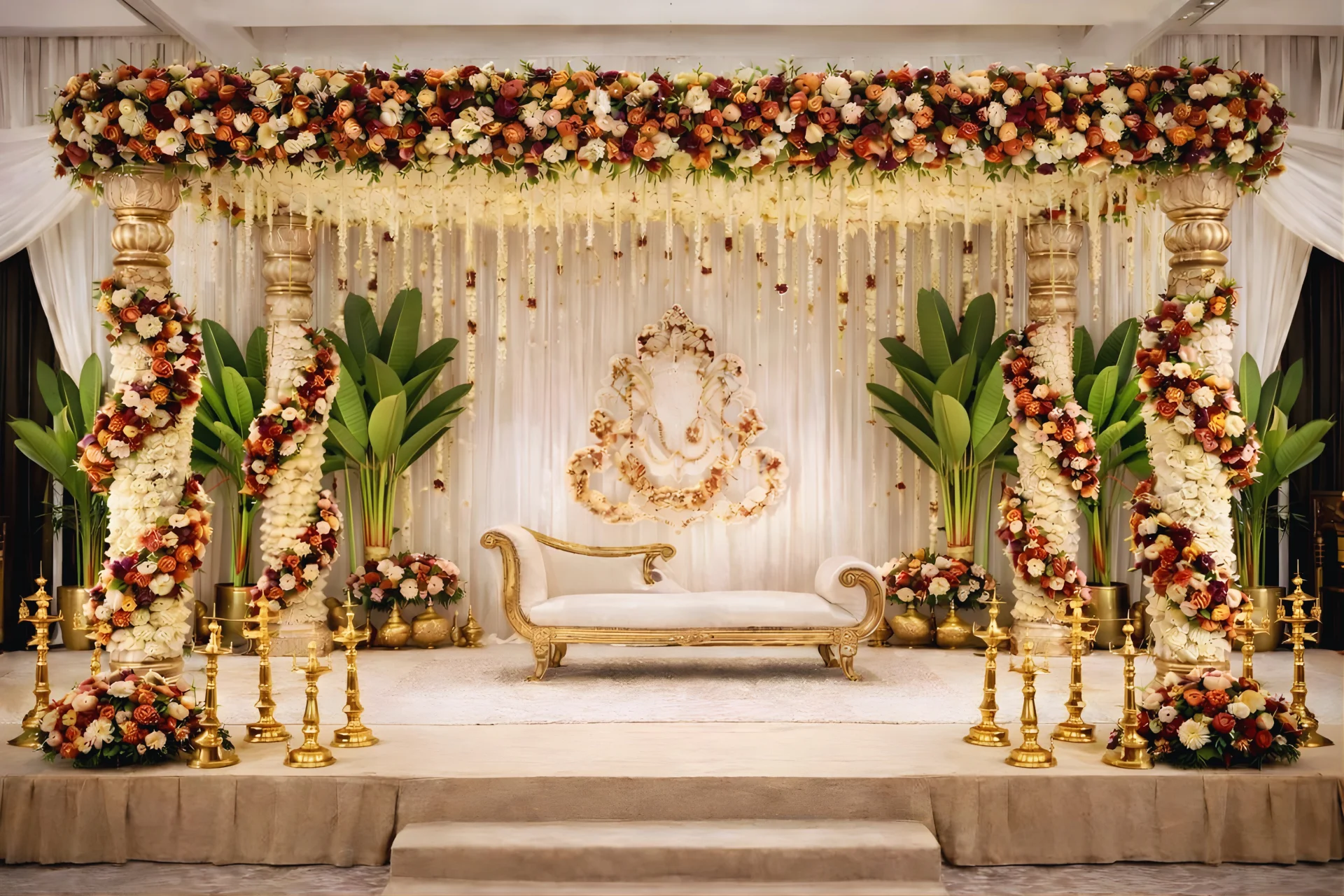
Where you will feel the difference most is in large-volume installations: ceiling drapes made from fresh flowers, or reception centerpieces that previously used plastic roses to fill space cheaply. The smarter approach is not to replicate the plastic décor with fresh flowers one-for-one, but to redesign the brief. Fewer, better-placed floral installations with more foliage, greenery, and natural textural elements will almost always look more considered than a room covered wall-to-wall in anything — plastic or fresh.
Where Budget Goes Up vs. Where You Can Save:
- Likely to cost more: Large reception backdrop flower walls, plastic ceiling drapes replaced with fresh alternatives, polyester fabric flower arches. These elements used plastic precisely because of volume — fresh flowers at the same scale cost more.
- Roughly the same cost: Marigold garlands, loose rose petals, puja décor flowers, and entry corridor toran — because the fresh versions of these are traditionally used anyway and sourced locally.
- Where you can actually save: Redesigning centerpieces around potted plants, dried botanicals, or foliage-heavy arrangements rather than fresh-flower-heavy ones can reduce cost while maintaining visual quality.
- Negotiate volume discounts early: If your wedding is more than three months away, speak to your decorator about locking in fresh flower pricing from wholesale suppliers at Dadar (Mumbai) or Pune Mandai before seasonal price swings.
- Repurpose florals across functions: A good decorator can move and repurpose fresh flower arrangements from your mehendi to your sangeet to your reception — not always possible with event-specific plastic installations.
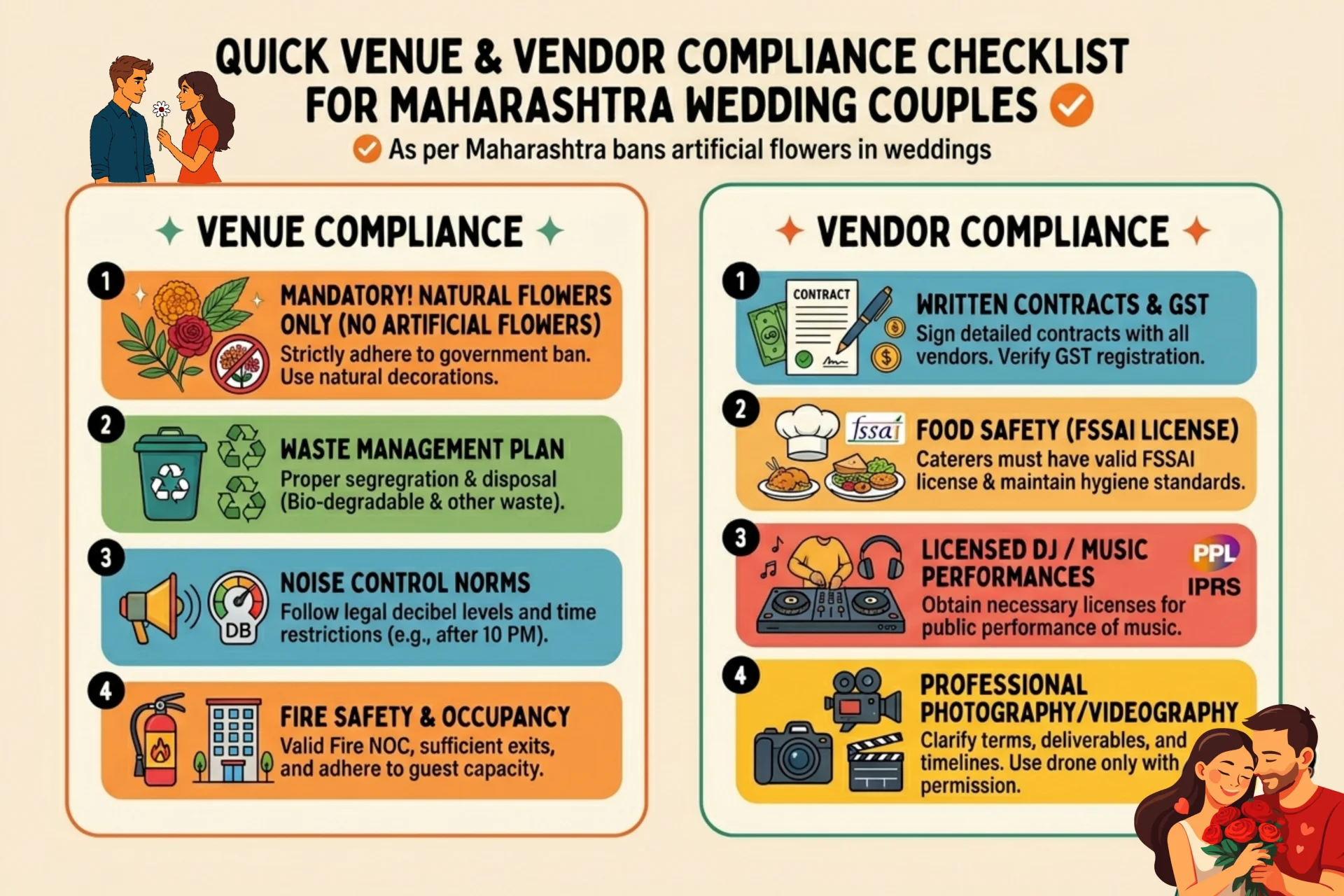
7. A Quick Venue Compliance Checklist for Couples ✅
When you are touring banquet halls or marriage venues in Maharashtra, most venue managers will not volunteer information about their compliance status under the plastic ban — partly because enforcement has been uneven until now, and partly because many halls still have plastic décor items in their own inventory. This is changing, but it has not changed uniformly. Couples who ask direct questions during the site visit are in a much better position than those who discover the issue after signing a booking advance.
The checklist below is not exhaustive — compliance frameworks will evolve as the new Government Resolution is formally published. But it covers the baseline questions that will surface any obvious red flags before you are financially committed to a venue.
Checklist Before You Book a Venue:
- Ask if the venue has its own floral inventory: Some halls maintain in-house décor that is rented to couples. If that inventory includes plastic flowers, the hall is already in non-compliance — and you would be using it.
- Request a written confirmation that the venue permits only non-plastic floral décor: This shifts documented responsibility to the venue manager in case of an inspection.
- Check the venue's decorator panel or approved vendors list: If their listed decorators are known to use heavy plastic floral setups, that is relevant information about the venue's existing compliance culture.
- Ask if the venue has received any plastic ban notices: A venue that has already been inspected and penalised is at higher risk of repeat visits — and more likely to now have stricter protocols in place.
- Ensure the event contract has a clause on décor compliance: Specifically that the venue will not permit non-biodegradable plastic flowers on premises during your event, and that any fines resulting from non-compliance are the venue's liability.
- Confirm the venue's disposal and cleanup protocols: Fresh flowers require prompt removal after the event; a venue with no clear process for this may push back on large fresh floral installations.
8. The Bigger Picture: Why the Eco-Wedding Trend Is Here to Stay 🌿
Maharashtra's enforcement drive is the most concrete example of government intervention into wedding décor in recent Indian history, but it is not happening in a vacuum. Across South and Southeast Asia, destination wedding markets have seen a notable shift in the past two to three years toward what clients are openly describing as "cleaner" or "greener" weddings. This is not purely an aesthetic preference — it is driven by a combination of social media aesthetics (fresh botanicals photograph better on digital sensors than plastic under event lighting), growing awareness among younger couples, and increasingly, regulatory pressure exactly like what Maharashtra is now formalizing.
For the flower farming community in Maharashtra, this is significant. CM Fadnavis framed the crackdown explicitly around protecting natural flower growers — NCP MLA Jayant Patil noted during assembly discussions that farmers who invested in greenhouse cultivation have seen their businesses undercut by cheap plastic imports. A wedding industry that moves meaningfully toward fresh flowers supports thousands of farming livelihoods. That is a different framing than "eco-friendly décor" as a luxury opt-in. It is policy with economic intent, and it suggests the regulatory direction is unlikely to reverse.
[Source: The Hindu — Maharashtra government to issue ban on use of plastic flowers]
[Source: Pune Pulse — Maharashtra Govt To Issue GR To Clarify Artificial Flower Ban]
What This Means for Wedding Planning Going Forward:
- Decorator portfolios will change: Decorators who built their signature style around synthetic floral walls and plastic-heavy installations will need to adapt their portfolio. When shortlisting for 2026 and 2027 weddings, ask specifically to see recent fresh-flower work.
- Venue marketing will shift: Expect banquet halls to begin advertising "plastic-free décor compliant" status as a differentiator — much as venues promoted outdoor spaces post-pandemic. The first movers will use it as a selling point.
- Fresh flower pricing will stabilize: As demand grows and local growers scale production, wholesale pricing for commonly used wedding flowers in Maharashtra will likely come down relative to current levels over the next 18–24 months.
- Destination weddings outside Maharashtra are unaffected for now: If your wedding is in Goa, Rajasthan, or Kerala, the Maharashtra GR does not apply — though those states have their own plastic regulation frameworks worth checking independently.
- Couples who adapt early avoid the rush: Decorators with genuine fresh-flower expertise are currently overbooked in certain Mumbai and Pune markets. Booking early — and being specific about compliance requirements — secures better talent at better pricing.
Plan Your Maharashtra Wedding the Right Way — Compliance Included 🌸
Maharashtra's plastic flower ban is not a bureaucratic inconvenience to route around — it is a direction of travel that the wedding industry in the state will follow, whether individual decorators and venues are ready for it or not. The couples who treat this as a planning checklist item rather than a last-minute surprise will have weddings that run smoothly, look better on camera, and do not risk disruption from a municipal inspection arriving at an inconvenient time. The fresh-flower brief is genuinely the better creative brief, even setting the regulations aside entirely.
If you are planning a wedding in Maharashtra in 2026 or 2027 and want to work with planners who understand both the regulatory landscape and the design possibilities that come with it, Eternal Weddingz can connect you with vetted decorators and venues that are already working within the new compliance framework. No last-minute surprises. No plastic marigolds trying to pass as the real thing.